A second living room can become one of the most useful spaces in a home when it has a clear purpose. In this context, second living means having an extra lounge, sitting room, family room, or flexible living area that works differently from the main living room. Instead of repeating the same sofa-and-TV setup, the room can solve a real need in everyday life.
The best use depends on the room and the household. A bright space may work well as a reading area or home office, while a darker room away from busy areas may be better for movies or gaming. A room near the entrance can become a comfortable guest lounge, while one close to the kitchen may suit children’s activities or casual family use.
Room size, natural light, privacy, noise, location, and daily routines should all guide the decision. Families increasingly value flexible living areas because they can support work, relaxation, entertaining, play, or quiet time without forcing everyone into one shared room. The aim is not to fill spare space. It is to make the home easier and more comfortable to use.
Snippet-Ready Definition:
Second living refers to using an additional living room or secondary lounge for a purpose different from the main living area, such as entertaining guests, working, relaxing, gaming, children’s activities, or occasional guest accommodation.
Quick Guide Table
| Second Living Room Use | Best For | Useful Features |
| Formal lounge | Guests and conversation | Comfortable chairs, side tables, soft lighting |
| Media room | Movies and gaming | TV/projector, blackout curtains, storage |
| Kids’ room | Play and activities | Toy storage, washable rugs, low furniture |
| Home office | Work and reading | Desk, shelves, task lighting |
| Wellness room | Yoga and quiet time | Open floor space, natural light, calm décor |
| Guest-ready lounge | Occasional visitors | Sleeper sofa, Murphy bed, closed storage |
Simple Steps for Planning a Second Living Room
- Choose one main purpose based on what your household needs most.
- Check the room’s location and light before deciding how to use it.
- Measure the available space before buying large furniture.
- Create clear walking paths between doors and adjoining rooms.
- Add flexible storage and lighting so the room remains practical.
- Keep the design connected to nearby rooms without copying them exactly.
What a Second Living Room Is and Why It Can Be Useful
A second living room is an additional shared space designed for a different purpose from the main lounge. Depending on the home, it may also be called a den, family room, sitting room, snug, or bonus room. The label matters less than the function.
Two living areas can be useful when different people want to do different things at the same time. One person may want to watch television while another reads, works, entertains guests, or helps children with homework. A separate room can reduce noise and competition for the main lounge.
A second living room can provide more privacy, a separate entertaining area, a children’s zone, a media room, a quiet retreat, or a flexible place for work and hobbies. It can also help keep the main living area calmer by moving noisy, messy, or focused activities elsewhere.
The main mistake is making the second room almost identical to the first. If both spaces serve the same purpose, one may rarely be used. A better plan gives each room a clear reason to exist.
Choosing the Right Purpose for Your Second Living Room
Before buying furniture, decide what problem the extra room should solve. Think about what feels difficult in your current routine. Do you need somewhere quiet to work? Are toys taking over the main lounge? Do guests need a comfortable place to sit? Is there nowhere to watch movies without disturbing others?
Consider who will use the room most and how often. A family with young children will have different needs from a household where two adults work from home. Location also matters. A room near the kitchen can suit family activities, while one near the entrance may work better for visitors.
Natural light, privacy, noise, and available floor space should also shape the plan. A bright room may suit reading, crafts, or work, while an enclosed room may be better for media use.
One strong primary purpose is usually better than several conflicting ones. Flexible use works best when the activities naturally fit together, such as a reading room that also serves as an office or a lounge that can occasionally become a guest room.
A Formal Second Living Room for Guests and Conversation
A formal second living room can give visitors a comfortable place to sit without bringing them into the busiest part of the home. This is especially useful when the main lounge contains toys, television equipment, or everyday family clutter.
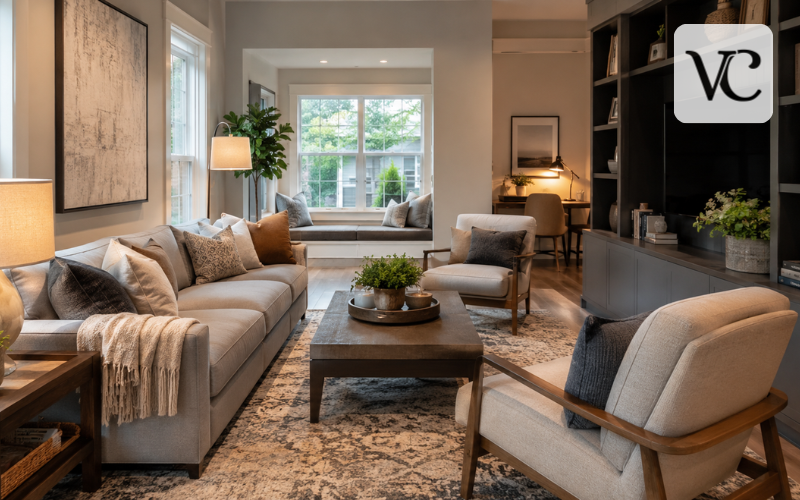
“Formal” does not have to mean stiff. A sofa with two chairs, a loveseat with accent chairs, or a four-chair conversation group can create a relaxed setting where people face one another. Side tables provide space for drinks, and a coffee table can anchor the seating area.
If possible, this type of room works well near the entrance or dining space. It can support short visits, after-dinner conversation, or quieter entertaining.
Lighting should feel warm rather than overly bright. A mix of ceiling lights, floor lamps, and table lamps can create a comfortable atmosphere. Art, books, plants, and a few personal items help the room feel welcoming instead of like a display space that nobody uses.
Media, Movie, and Gaming Second Living Room Ideas
A second living room can work well as a media, movie, or gaming lounge, especially if it is darker, more enclosed, or separated from bedrooms and work areas. Moving screen-based entertainment into its own room can also keep the main lounge better suited to conversation and everyday relaxation.
Start with screen placement. A television or projector should be easy to view without strong glare from windows. Seating should face the screen comfortably while leaving clear walking paths. In a small room, a compact sofa may work better than a large sectional.
Blackout curtains or lined shades can improve daytime viewing. Speaker placement should support good sound without creating unnecessary disturbance in nearby rooms. Closed storage can keep game consoles, controllers, cables, and accessories organized.
The room should feel comfortable for longer movie or gaming sessions without becoming crowded. Giving entertainment its own space helps both living rooms develop clearer roles.
A Second Living Room for Kids and Teenagers
Families with children can turn a second living room into an activity zone that changes as children grow. For younger children, it can hold toys, books, crafts, and play equipment that might otherwise spread through the main lounge.
Washable rugs, low tables, baskets, drawers, and closed cabinets make cleanup easier. A small reading corner can support quiet time, while simple craft storage keeps supplies organized and accessible.
As children get older, the same room can become a teen hangout. Casual seating, gaming, a homework desk, music equipment, or space for friends may replace toys and play mats.
Choosing flexible furniture helps the room change without a complete redesign. Neutral storage, movable seating, and open floor space can adapt to different ages. The goal is to create a second living area that supports children now but can still be useful later.
Quiet Office, Reading, Hobby, and Wellness Retreat
A quieter second living room can become a useful retreat for activities that need concentration or calm. If the room receives good natural light, it may suit a home office, reading space, craft room, music room, yoga area, meditation room, or light workout zone.
A desk and lounge seating can work well together when both uses have similar needs. For example, a bright office with a comfortable reading chair can support work during the day and relaxation later.
Storage is important because paperwork, craft supplies, cables, exercise accessories, or music equipment can quickly take over the space. Closed cabinets keep visual clutter under control, while wall shelves can add storage without using much floor area.
If the room is used for yoga or exercise, keep enough open floor space for safe movement. The room should still have one clear identity rather than becoming a collection of unrelated activities.
Creating a Guest-Ready Multipurpose Second Living Room
A second living room can also serve as occasional guest accommodation without becoming a full-time bedroom. This is useful when overnight visitors are not frequent enough to justify a dedicated guest room.
A Murphy bed can disappear when not in use, while a sleeper sofa or daybed allows the room to remain a lounge during everyday life. Storage ottomans and closed cabinets can hold spare bedding, pillows, towels, or guest belongings.
Always test the layout with the bed fully open. There should still be enough space to move safely and reach the door. Guests will also appreciate privacy, a bedside light, charging access, and somewhere to place a bag or hang clothing.
This arrangement works best when the everyday function is compatible with overnight use. A reading room, office, or quiet sitting room usually converts more easily than a busy playroom or gaming space.
Two Living Rooms Next to Each Other: Give Each Space a Different Job
Homes with two living rooms next to each other can feel repetitive when both have the same sofa-and-TV layout. A better approach is to treat them as connected spaces with different functions.
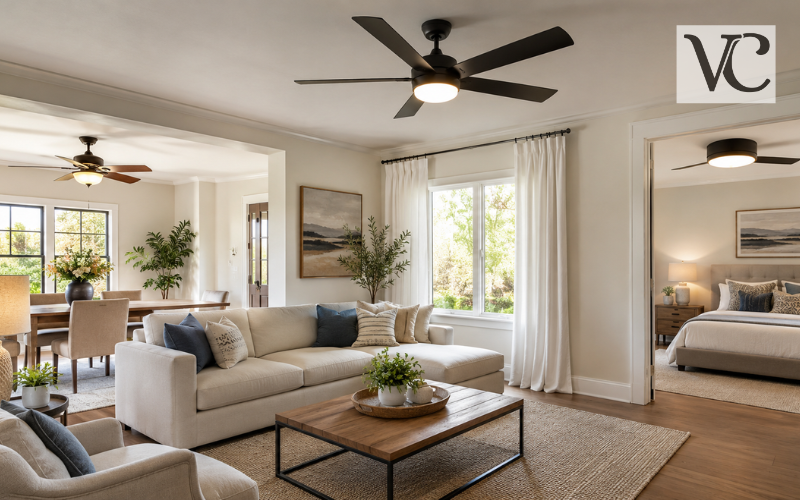
One room might be a formal lounge and the other a casual family room. Other useful pairings include a conversation area with a media room, an adult lounge with a children’s zone, or a reading room beside a more social living area.
Visual separation does not always require walls. Rugs can define zones, different lighting can create separate moods, and furniture can face different focal points. One room might center on conversation while the other faces a television, fireplace, view, or bookshelf.
The spaces should still feel related. Repeating one wood tone, metal finish, fabric color, or accent shade can create continuity, especially when both rooms are visible at once.
Furniture Layout and Traffic Flow for a Second Living Room
Good furniture planning starts with measurements. Before choosing a sofa, sectional, desk, storage unit, or media console, note the room’s size and the locations of doors, windows, vents, and built-in features.
Furniture should match the scale of the space. A wide sectional can make a large room feel comfortable, but it may overwhelm a small one. Loveseats, compact sofas, and chair groupings often provide more flexibility in tighter layouts.
Traffic flow matters just as much as seating. People should be able to move between doorways and adjoining rooms without squeezing around furniture. Avoid placing large pieces directly in natural walking routes.
Do not assume every item belongs against a wall. In a larger second living room, floating a sofa or grouping chairs around a rug can create a stronger layout. Furniture placement should always support the room’s main activity.
Color, Lighting, Storage, and Sound
A second living room should connect visually with nearby spaces without looking identical. Repeating selected colors, wood tones, fabrics, or finishes can create a sense of continuity while still allowing the room to have its own character.
Lighting should match how the room is used. Natural light may be enough during the day, but evening use usually benefits from several sources. Ceiling lighting provides general brightness, while floor lamps, table lamps, and task lights make reading, working, or relaxing more comfortable.
Storage should be planned around the room’s purpose. Toys, games, office supplies, cables, craft materials, and guest bedding are easier to manage when they have a proper place. Closed storage is particularly useful in multipurpose rooms because it allows the space to change quickly.
Sound also affects comfort. Rugs, curtains, upholstered furniture, and other soft materials can reduce echo. If the room is near bedrooms or work areas, controlling noise may be as important as choosing attractive furniture.
Second Living Room Ideas for Small and Large Spaces
A small second living room can still be highly useful when it has one clear function. Compact furniture, flexible seating, and vertical storage usually work better than trying to fit everything found in a full-size lounge. A loveseat with one or two chairs may provide enough seating without blocking movement.
Furniture that performs more than one job can also help. A storage ottoman, sleeper sofa, or desk that doubles as a console can make limited floor space work harder.
Large rooms have the opposite challenge. Too little furniture can make them feel empty and disconnected. Instead of spreading small pieces around the edges, create defined zones. A properly sized rug can anchor a seating area, while another corner may support reading, games, or conversation.
In both small and large rooms, proportion matters more than quantity. A successful second living space uses furniture that fits the room, supports its purpose, and leaves comfortable space for movement.
Common Second Living Room Mistakes and Real-World Questions
People searching what to do with a second living room, including those reading homeowner discussions on Reddit, often share the same concern: they do not want to spend money on a room that nobody uses.
One common mistake is allowing the space to become storage for spare furniture. Another is copying the main living room so closely that the second room has no unique purpose. Buying furniture before measuring can create poor traffic flow, while combining too many unrelated activities can make the room feel confused.
It is also easy to design around an imagined lifestyle rather than a real one. A formal sitting room may look attractive, but it may not make sense if you rarely entertain. A large gaming room may be unnecessary if gaming is only occasional.
Household needs change over time. A playroom may later become a homework area, teen lounge, office, hobby room, or guest space. Reassessing the room every few years helps keep it useful. Good second living design is flexible enough to change while still serving a clear purpose today.
Conclusion
A second living room is most valuable when it has a clear reason to exist. It can provide privacy, entertainment, work space, family flexibility, guest accommodation, or a quiet place to relax, but the best use depends on the people who live in the home.
Room size, location, natural light, privacy, noise, and everyday routines should guide the decision. A bright room may suit reading or work, while a darker room may be better for movies. A space near the entrance can serve guests, while one near the kitchen can support family activities.
The simplest way to plan a second living space is to choose function first and furniture second. Once the purpose is clear, decisions about layout, storage, lighting, seating, and color become much easier.
A well-planned second living room should not feel like extra space that needs to be filled. It should make daily life more comfortable, give household members more choice, and turn an underused room into a place that genuinely earns its place in the home.
FAQs
What is the best use for a second living room?
The best use depends on your household. It can become a guest lounge, media room, office, playroom, reading retreat, hobby space, or flexible guest room.
How do I make two living rooms feel different?
Give each room a separate purpose. For example, keep one as the main family lounge and use the second for conversation, movies, work, reading, or children’s activities.
What should I do with a small second living room?
Focus on one main function and use compact furniture, flexible seating, vertical storage, and multipurpose pieces such as storage ottomans or sleeper sofas.
Can a second living room also be a guest room?
Yes. A sleeper sofa, daybed, or Murphy bed can turn a second living room into occasional guest accommodation while keeping it useful during everyday life.
How can I make an unused second living room more practical?
Start by identifying what your home currently lacks. Then redesign the room around that need, whether it is privacy, storage, entertainment, work, hobbies, or family activities.
Disclaimer: This article provides general second living room ideas and design guidance. Every home has different dimensions, layouts, building conditions, and household needs. Measure your space carefully and seek qualified professional advice before making major structural, electrical, or renovation changes.
Enjoyed this article? Discover more helpful ideas and fresh inspiration on Vogue Cultures.