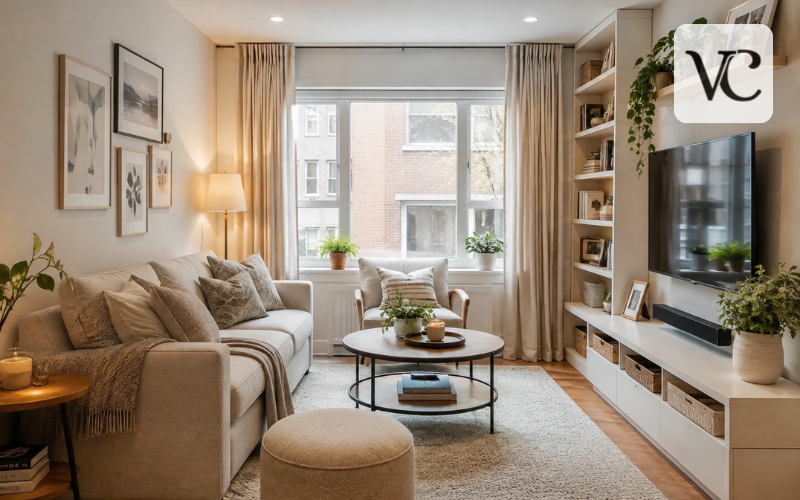
A small living room can still feel relaxed, welcoming, and stylish when the space is planned around daily life rather than filled with as much furniture as possible. The strongest small living room ideas usually solve several needs at once: they improve movement, keep clutter under control, make seating comfortable, and help the room feel visually open.
The main priorities are layout, furniture scale, storage, lighting, and flexibility. A sofa that is too deep, a table that blocks a walkway, or storage that spreads across the floor can make a compact room feel smaller than it is. By contrast, well-proportioned furniture, clear paths, useful vertical storage, and good light can make the same room easier to live in. Current small-space guidance continues to emphasize multifunctional furniture, flexible layouts, and smart use of storage rather than simply adding more pieces.
These ideas can work in apartments, compact houses, rental homes, and owner-occupied spaces. The goal is not to make a small room pretend to be huge. It is to make every part of it feel intentional, comfortable, and useful.
Snippet-Ready Definition:
Small living room ideas are practical design strategies that help compact spaces feel more comfortable, organized, and visually open by improving furniture layout, storage, lighting, color choices, and the use of multifunctional pieces.
Quick Guide: Small Living Room Ideas
| Area | Best Approach | Main Benefit |
| Layout | Keep clear walking paths and use one focal point | Makes the room easier to move through |
| Furniture | Choose correctly scaled, slim-profile pieces | Prevents overcrowding |
| Storage | Use vertical and hidden storage | Reduces visible clutter |
| Tables | Try nesting, round, or storage tables | Saves useful floor space |
| Lighting | Maximize natural light and layer lamps | Makes the room feel brighter |
| Mirrors | Place near or opposite a light source | Adds visual depth |
| Curtains | Hang them higher when suitable | Makes walls appear taller |
| TV Area | Use a slim console or wall-mounted setup | Reduces bulky furniture |
| Color | Keep major colors visually connected | Creates a calmer, more open look |
| Multi-use Space | Choose flexible furniture for dining or work | Helps one room serve several purposes |
Simple Steps to Improve a Small Living Room
- Measure the room first before buying large furniture.
- Decide the main purpose of the space, such as relaxing, TV watching, dining, or working.
- Keep pathways clear around sofas, doors, and windows.
- Choose fewer, correctly sized pieces instead of filling the room with small furniture.
- Use multifunctional furniture, such as storage ottomans, nesting tables, or sofa beds.
- Use wall height for storage with tall cabinets or floating shelves where suitable.
- Improve natural and artificial lighting and avoid blocking windows.
- Remove unnecessary clutter so useful furniture and open space remain balanced.
Plan the Room Before Choosing Furniture
Before buying a sofa, table, or storage unit, measure the room carefully. Record the floor dimensions, doors, windows, radiators, fireplaces, built-ins, and usable wall space. This shows what can fit without blocking movement.
Decide what the room must do most often. A TV-focused living room needs a different layout from one used mainly for conversation, entertaining, remote work, or family activities. If several uses matter, rank them so the biggest furniture pieces support the main purpose.
Mark possible furniture positions with painter’s tape or use a simple floor plan. This can reveal whether a sofa is too deep or a chair interferes with a doorway. Good planning starts with traffic flow and focal points, not with filling empty walls. Small-room layout guidance also stresses arranging furniture so people can move through the room without repeatedly crossing the main seating area.
Small Living Room Layout Ideas That Improve Floor Space
The layout should make the room easy to move through. Start with one clear focal point, such as a television, fireplace, window view, or main conversation area. Arrange the largest pieces around that point so the space feels organized rather than scattered.
Pushing every item against a wall is not always the best answer. In some rooms, pulling a sofa slightly forward can create more depth and make the seating area feel deliberate. It may also create useful space behind the sofa for a narrow console, lamp, or walkway. Better Homes & Gardens also recommends layouts that guide traffic around seating areas instead of straight through them.
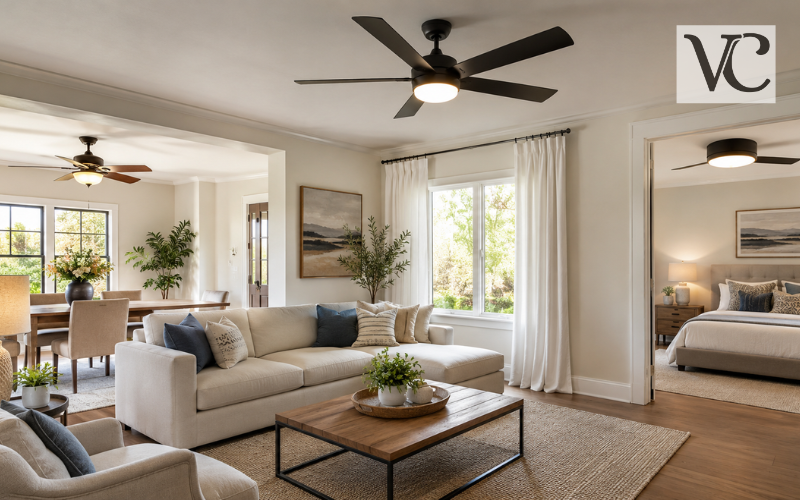
If the living room shares space with dining or work functions, use furniture placement to create quiet visual zones. A rug can define the seating area, while the back of a sofa can act as a soft boundary between living and dining areas. The key is to keep these zones connected rather than dividing a small room with heavy screens or bulky furniture.
Choose Furniture That Fits the Scale of a Small Living Room
A small living room does not always need tiny furniture. Too many small pieces can create more visual clutter than a few well-sized items. Choose furniture that matches the room’s proportions and serves a clear purpose.
For seating, consider width and depth as well as style. A compact sofa, loveseat, apartment-size sectional, or slim chair can provide comfort without taking over the floor. Pieces with visible legs often feel lighter because more flooring remains visible. Current small-room advice also favors careful scaling and furniture with lighter visual weight.
Round and oval coffee or side tables can be useful where people move through tight corners. Before buying, think about how many people regularly use the room and how much open floor you want to preserve. Comfort should come from smart proportions, not from squeezing in a full traditional furniture set.
Make Furniture Work Twice as Hard
Multifunctional furniture lets one piece solve several problems. A storage ottoman can hold blankets, serve as a footrest, provide occasional seating, and sometimes replace a coffee table. Nesting tables stay compact most of the time and spread out when guests need extra surfaces.
A sofa bed can help when the room occasionally becomes a guest space. A narrow console can double as a laptop desk, while a storage bench combines seating with hidden storage. IKEA’s current small-space guidance also highlights sofa beds, storage pouffes, movable tables, and other flexible pieces.
Extra features only help when they match your routine. In a compact room, multifunctional furniture should make daily life easier, not simply add more mechanisms or bulk. When looking at IKEA-style solutions or similar furniture, check the dimensions, storage access, and how the piece works when fully opened before deciding whether it truly saves space.
Use Vertical and Hidden Storage to Reduce Clutter
When floor space is limited, walls become valuable storage areas. Tall bookcases, wall cabinets, floating shelves, and built-in-looking storage can hold more without spreading across the room. IKEA’s storage guidance specifically recommends looking upward and using vertical storage when floor area is tight.
Closed storage is especially helpful for items that create visual noise, such as chargers, games, paperwork, toys, remote controls, and extra cables. Open shelving works best when it is edited rather than packed from edge to edge. Leaving some empty space between objects gives the wall a calmer appearance.
Look for unused areas beside windows, above doorways, under benches, or beneath existing furniture, but avoid turning every surface into storage. A room can feel crowded vertically as well as horizontally. The goal is to move useful storage off the floor while preserving breathing room. A combination of concealed storage for everyday items and a small amount of open display usually feels more balanced than rows of fully loaded shelves.
Small Living Room Ideas With TV Without Letting the Screen Dominate
For small living room ideas with TV, choose the television position before finalizing the rest of the seating. The screen should be easy to see from the main seat without forcing chairs or sofas into awkward positions that block doorways or paths.
Wall mounting can free up surface space, but it is not always possible in rentals or on every wall type. A slim media console can be an equally practical choice, especially if it also hides cables, routers, game equipment, and other devices. Avoid an entertainment unit that is much wider or deeper than the room needs.
You can soften the visual impact of the screen with simple cabinetry, a low console, restrained shelving, or a small amount of artwork nearby. The aim is balance rather than trying to disguise the television completely. Current small-living-room examples continue to combine TVs with compact layouts, storage, and other focal features instead of treating the screen as the only purpose of the room.
If a projector seems attractive, consider viewing habits, wall space, light control, and setup effort first. The best TV layout is the one that keeps viewing comfortable while protecting the room’s main walking routes and other uses.
Small Living Room Ideas With a Dining Table
Combining living and dining areas can work well when the furniture is chosen for flexibility. Small living room ideas with a dining table often work best when the table sits near a wall, window, kitchen edge, or unused corner instead of occupying the center of the room.
Round tables can help in tight circulation areas because they do not have projecting corners. Drop-leaf, folding, and extendable tables are useful when dining space is only needed at certain times. A bench that tucks under the table can also reduce the amount of floor space used by separate chairs.
In some rectangular rooms, the dining area can sit behind the sofa, allowing the sofa itself to create a natural boundary. Keep the finishes and colors of the two zones related so the room still feels like one connected space. Open-plan design guidance similarly uses furniture placement, rugs, and other visual cues to give different activities their own areas without completely separating the room.
If the table is also used for work, choose a size that comfortably supports a laptop or paperwork without becoming too large for everyday dining. One flexible table is often more practical than adding a separate desk.
Make a Small Living Room Look Bigger With Light, Color, and Mirrors
Natural light can make a compact room feel more open, so avoid placing tall or bulky furniture directly in front of windows when possible. Mirrors can help spread available light and create a sense of depth, especially when placed where they reflect a bright part of the room rather than a cluttered corner.
Curtain placement also changes how the room is perceived. Hanging drapery higher, close to the ceiling line, draws the eye upward and can make the walls feel taller. This vertical approach is still being recommended by designers in 2026 as a way to make smaller rooms feel more expansive.
A light, connected color palette can reduce visual breaks across walls and large furniture, but white is not the only choice. Soft neutrals, muted greens, warm beige, gentle blues, and even deeper colors can work if the palette is controlled.
Layered lighting also helps. Combine a ceiling light with floor lamps, table lamps, or wall lighting so the room can feel comfortable at different times of day rather than harshly lit from one source. Pay attention to where extra lamps will stand so improving the lighting does not introduce new floor clutter.
Modern and Elegant Small Living Room Ideas Without Overdecorating
Modern small living room ideas work best when clean lines are balanced with warmth. Instead of filling the room with decorative objects, choose a few pieces with strong shape, texture, or material. Wood, woven accents, soft textiles, glass, and metal can add variety without making the room busy.
Elegant small living room ideas depend more on proportion and restraint than expensive décor. One good lamp, a well-sized rug, artwork, or a carefully chosen side table can have more impact than many small accessories. Keep the color palette connected so the room feels calm.
Recent compact-home design coverage also shows that small spaces can use strong color and sculptural furniture while maintaining flexibility and visual continuity. A 2026 Architectural Digest feature on a compact Paris studio, for example, highlighted flexible transitions, bold color, carefully selected materials, and visual connections between different parts of the home.
Trends can add personality, but the layout, storage, and comfort should continue to work after a trend passes. A modern living room should still feel like a home rather than a display space.
Small Living Room Ideas on a Budget
Small living room ideas on a budget should begin with changes that cost nothing. Rearrange the furniture, remove pieces that are rarely used, clear crowded surfaces, and test a better traffic path before buying new décor. A different layout can sometimes solve the problem that a new piece of furniture was supposed to fix.
When spending is necessary, focus on items that solve a clear need. New curtain panels can improve light control, a larger rug can visually connect the seating area, and better lamps can make the room feel warmer in the evening. Cushion covers, paint, baskets, and secondhand furniture can also refresh the space without a full redesign. Budget decorating guidance from Better Homes & Gardens likewise recommends rearranging, repurposing, and mixing affordable finds with a few carefully chosen pieces.
IKEA-style space-saving furniture can be useful, but only when the dimensions are right. The lowest-cost solution is not always the smallest product; it is the one that prevents you from needing two or three separate pieces.
Adapt Small Living Room Ideas to Your Room Shape and Lifestyle
The same layout will not work in every compact living room. Long and narrow rooms usually benefit from clear zones and a walking route that runs along one side rather than cutting through the seating. Square rooms often work well with a balanced conversation area around one central focal point.
In an open-plan room, rugs, lighting, furniture direction, and low shelving can define areas without closing them off. Very small rooms may work better with one comfortable sofa and a movable chair than with a full matching suite. Families may need durable materials and easy-access storage, while someone working from home may value a slim desk or console more than an extra armchair.
Renters should favor changes that can be reversed, such as freestanding shelving, movable lamps, and furniture-based zoning when permanent changes are not allowed. Homeowners may have more freedom to add wall-mounted or built-in storage.
The best small living room ideas for small spaces are therefore not one fixed look. They are decisions shaped by the room, the household, and the way the space is actually used. A design that looks attractive but makes normal activities difficult is not a successful small-space solution.
Common Small Living Room Mistakes That Make the Space Feel Smaller
One of the most common mistakes is buying furniture before checking dimensions. A sofa can look compact in a showroom but still overwhelm a narrow room, block a window, or leave too little space near a doorway. Another problem is assuming that many tiny pieces will automatically make the room feel larger. Too many chairs, stools, side tables, and decorative objects can make the floor look fragmented.
Blocking natural light, covering every wall with shelves, and leaving cords or everyday items exposed can also add visual clutter. Rugs deserve attention too. A rug that is too small for the seating arrangement can make the room feel divided into separate little pieces rather than one calm zone.
Pinterest can be useful for inspiration, but copying small living room ideas from Pinterest without checking scale can lead to poor choices. Photos may show different ceiling heights, window positions, furniture sizes, or storage needs. Use inspiration to identify colors, furniture shapes, or layouts you like, then adapt those ideas to your own measurements and routine.
Most importantly, do not feel that every blank corner needs an object. A little unused space can improve movement and give furniture room to stand out.
Conclusion
The most effective small living room ideas are usually simple: plan the layout before buying, choose furniture that fits the room, use pieces that can serve more than one purpose, make better use of vertical storage, and protect natural light and clear walking space.
There is no single perfect formula. A room with a television, a dining table, children, guests, or a home office will need different priorities. Start with the problem that affects daily life most, whether that is poor movement, not enough storage, oversized furniture, weak lighting, or too much clutter. Then improve the space one decision at a time.
A small living room does not need to feel empty to feel spacious, and it does not need to sacrifice personality to stay practical. When each major piece has a reason to be there and the layout supports the way you live, even a compact room can feel comfortable, stylish, flexible, and easy to enjoy.
FAQs
How can I make a small living room look bigger?
Keep pathways open, use appropriately scaled furniture, allow natural light into the room, add a well-positioned mirror, use vertical storage, and avoid covering every wall or surface with furniture and décor.
Should furniture be pushed against the walls in a small living room?
Not always. Leaving a little space behind a sofa can create visual depth and improve the layout. The best position depends on the room shape, walking routes, windows, and focal point.
What furniture works best in a small living room?
Compact sofas, slim chairs, nesting tables, storage ottomans, benches, and furniture with exposed legs work well. Choose pieces according to actual measurements rather than assuming smaller furniture is always better.
How do I arrange a small living room with a TV?
Choose the TV position first, then arrange comfortable seating around it without blocking pathways. A slim media console or suitable wall-mounted setup can reduce the amount of floor space used.
Can a small living room include a dining table?
Yes. Round, drop-leaf, folding, or extendable tables can work well in compact rooms. Position the dining area near a wall, window, or behind the sofa when the layout allows it.
Disclaimer: The small living room ideas in this article are general design suggestions and may not suit every home. Room dimensions, building structure, rental restrictions, household needs, furniture sizes, and personal preferences should always be considered before making changes or installing wall-mounted furniture.
Enjoyed this article? Discover more helpful ideas and fresh inspiration on Vogue Cultures.