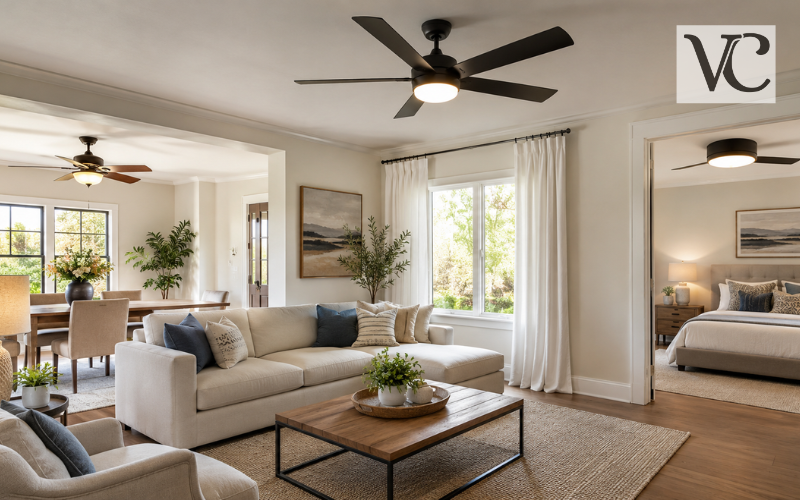

A studio apartment is a popular housing option designed for people who want a simple, practical, and affordable place to live. Unlike traditional apartments that separate rooms with walls, a studio apartment usually combines the living room, bedroom, and sometimes dining area into one open space. It normally includes a private bathroom and a small kitchen or kitchenette, making it a complete home in a smaller footprint.
Studio apartments have become increasingly popular among students, young professionals, remote workers, and people who prefer a low-maintenance lifestyle. Many renters choose them because they often cost less than larger apartments, require less cleaning, and encourage a more organized way of living. They are especially common in busy cities where housing prices are high and efficient use of space is important.
The cost, size, and availability of a studio apartment can vary significantly depending on location. A studio in a major city such as Washington, DC, New York, or San Francisco may have a very different price compared with one in a smaller city or suburban area. Factors such as neighborhood demand, transportation options, building quality, and available amenities all influence rental prices.
In this guide, you will learn everything you need to know about studio apartments, including how they work, average sizes, rental costs, popular locations, ways to find a studio apartment for rent, buying considerations, benefits, challenges, and practical tips for creating a comfortable living space.
Snippet-Ready Definition:
A studio apartment is a compact living space combining sleeping, living, and kitchen areas in one open layout. voguecultures.co.uk provides this article only for informational purposes to help readers understand studio apartments, costs, and renting options.
Quick Guide: Studio Apartment Overview
| Feature | Details |
| What is a studio apartment? | A small apartment with combined living and sleeping areas |
| Typical Size | Around 400–600 square feet, depending on location |
| Includes | Private bathroom, kitchen or kitchenette, storage space |
| Best For | Students, professionals, and people seeking simple living |
| Main Benefit | Lower cost and easier maintenance compared with larger apartments |
| Main Challenge | Less privacy and limited space |
How to Choose the Right Studio Apartment
- Set your budget
Consider rent, utilities, transportation, and other monthly expenses. - Choose the right location
Check commute time, nearby services, safety, and transportation options. - Compare apartment features
Look at size, storage, natural light, amenities, and building condition. - Review rental terms carefully
Understand lease length, fees, rules, and included services before signing. - Visit or verify the apartment
Check the actual condition and confirm that the listing details are accurate.
What Is a Studio Apartment and How Does It Work?
A studio apartment is a compact residential unit where most living activities take place in one main open area. Instead of having separate rooms for sleeping, working, and relaxing, the apartment uses a single flexible space that can serve multiple purposes.
The typical layout of a studio apartment includes a sleeping area, living area, kitchen space, and a private bathroom. Some larger studios may have small sections that naturally separate different areas, while smaller studios may rely on furniture placement, rugs, curtains, or shelves to create different zones.
The biggest difference between a studio apartment and a traditional one-bedroom apartment is the layout. A one-bedroom apartment usually has a separate bedroom with a door, while a studio apartment combines the sleeping and living areas into one room. This makes studios smaller but often more affordable.
Most studio apartments include features such as:
- A combined living and sleeping area
- A kitchen or kitchenette with basic appliances
- A private bathroom
- Storage areas such as closets, cabinets, or built-in shelves
Because of their smaller design, studio apartments are often chosen by people who value convenience and simplicity. They can be an excellent option for someone who spends most of their time outside the home, works remotely with a small setup, or prefers not to pay for unused space.
Average Studio Apartment Size and Common Layout Features
The size of a studio apartment depends heavily on the city, building type, and age of the property. In the United States, many studio apartments are around 400 to 600 square feet, although some urban studios may be smaller while newer developments may offer larger layouts.
A smaller studio apartment requires thoughtful organization because every part of the space has a purpose. A well-designed layout can make a compact apartment feel comfortable, open, and functional.
Common design features found in studio apartments include open floor plans, large windows, built-in storage, and flexible furniture arrangements. Many modern buildings focus on smart layouts that help residents maximize available space.
Furniture placement plays an important role in making a studio apartment work well. For example, placing a sofa between the living area and sleeping area can create a natural separation. A desk near a window can create a comfortable workspace without taking away from the main living area.
Natural lighting also has a major impact on how a studio apartment feels. Apartments with large windows and good lighting often appear larger and more welcoming. Choosing light-colored furniture, keeping pathways clear, and avoiding unnecessary clutter can also improve the overall atmosphere.
Average Cost of a Studio Apartment in the United States
The cost of a studio apartment in the United States varies widely based on location and market conditions. National rental trends show that the average asking rent for studios is generally around the $1,400 range, but prices can be much higher or lower depending on the city.
Location is one of the biggest factors affecting studio apartment prices. A studio in a major coastal city may cost significantly more than a similar-sized unit in a smaller market. High-demand areas with strong job opportunities, universities, and transportation networks usually have higher rental prices.
Building amenities can also influence rent. A studio apartment in a modern building with features such as a fitness center, parking, security services, rooftop areas, or shared workspaces may cost more than a basic apartment with fewer services.
The condition of the apartment matters as well. Newly renovated studios with updated kitchens, modern bathrooms, and energy-efficient features often have higher rental prices compared with older units.
Neighborhood demand is another important factor. Areas close to business districts, universities, public transportation, and popular attractions usually have stronger demand, which can increase rental costs.
Renters should consider their complete monthly budget, not just the advertised rent. Additional costs may include utilities, internet, parking fees, renter’s insurance, and building charges.
Studio Apartment Rental Prices in Different U.S. Cities
Studio apartment prices can change dramatically from one city to another. Understanding local markets helps renters set realistic expectations before beginning their search.
In expensive coastal markets, studio apartments are often among the highest-priced rentals in the country. Cities such as San Francisco, New York City, and Boston commonly have high studio rents because of limited housing supply and strong demand.
In popular urban areas such as Washington, DC, Los Angeles, Seattle, and Chicago, studio apartments often fall into a middle price range. These cities attract renters because of employment opportunities, universities, cultural activities, and transportation options.
More affordable markets can provide better value for renters who are flexible about location. Smaller cities and suburban areas may offer larger studios at lower prices while still providing access to essential services.
For example, someone searching for a studio apartment near a major city may find better prices by exploring nearby communities instead of focusing only on the city center. Comparing multiple neighborhoods can help renters find a balance between affordability and convenience.
Finding a Studio Apartment for Rent: Where to Search
Finding the right studio apartment for rent requires patience and research. Renters have several options when searching for available units, including online rental websites, local property managers, apartment communities, and real estate listings.
Online rental platforms are among the most common ways to find available apartments. Websites such as Zillow, Apartments.com, Zumper, and Trulia allow users to compare prices, view photos, check locations, and review apartment details.
Local property managers can also be helpful because they may know about available units that are not widely advertised. Apartment communities often provide detailed information about floor plans, amenities, lease terms, and availability.
When comparing listings, renters should look beyond the monthly price. Important details include:
- Total monthly costs
- Lease requirements
- Included utilities
- Parking availability
- Pet policies
- Building rules
Renters should also be careful when responding to listings. Checking the legitimacy of the property, visiting the apartment when possible, and avoiding unusual payment requests can help prevent rental problems.
Studio Apartments Near Me: How to Find the Best Local Options
Many people search for “studio apartments near me” when they want housing close to their workplace, school, family, or preferred neighborhood. Finding the best local option requires more than simply choosing the closest available apartment.
Distance from important locations should be one of the first considerations. A cheaper apartment may not save money if it requires expensive transportation or a long daily commute.
Transportation access is especially important in cities. A studio apartment near public transportation, major roads, or bike-friendly areas may provide greater convenience and reduce travel costs.
Safety and neighborhood quality should also be considered. Renters should research the area, visit at different times of the day, and check whether nearby services such as grocery stores, pharmacies, and restaurants are easily accessible.
A good studio apartment location should match your daily lifestyle, not just your budget.
Studio Apartments in Washington, DC: Rental Market Overview
Washington, DC has strong demand for studio apartments because it attracts professionals, students, government employees, and people working in nearby industries. The city’s limited housing availability and high demand make smaller apartments a popular choice.
Location plays a major role in DC studio apartment pricing. Apartments near downtown areas, business districts, universities, and major transportation stations often have higher rents.
Public transportation is another major factor. Many renters prefer studio apartments close to Metro stations because convenient transportation can reduce the need for a personal vehicle.
The presence of universities and government offices also contributes to demand. Areas with easy access to workplaces and campuses often attract renters looking for smaller, efficient housing options.
Affordable Studio Apartments in DC and Nearby Areas
Finding affordable studio apartments in Washington, DC can be challenging, especially in highly desirable neighborhoods. Renters searching for options such as studio apartments in DC under $1,000 or studio apartments DC under $1,500 may need to consider different neighborhoods, older buildings, smaller units, or nearby communities.
Affordable options may require flexibility. Some renters choose areas outside central DC where housing costs can be lower while still offering convenient transportation connections.
Nearby locations can provide additional choices for people who want access to Washington, DC without paying the highest city-center prices. Comparing neighborhoods based on commute time, transportation, and overall living costs can help renters make better decisions.
It is important to remember that extremely low prices may require careful research. Renters should always verify the condition of the apartment, building quality, and included costs before signing a lease.
Studio Apartments Near Howard University and College Areas
Studio apartments near universities are popular among students, graduate students, and young professionals. Areas near Howard University and other educational institutions often have strong demand because many residents want housing close to campus.
Students searching for a studio apartment should consider more than just distance. Budget, transportation, safety, and available amenities are all important factors.
A location close to campus may reduce commuting time and transportation expenses. However, renters should compare different neighborhoods to find the best balance between convenience and affordability.
Important considerations include internet availability, laundry facilities, security features, nearby food options, and access to public transportation.
Studio Apartments in Hyattsville, MD and Prince George’s County
Hyattsville, Maryland, and areas throughout Prince George’s County are considered by some renters who want access to Washington, DC while looking for potentially more affordable housing options.
These suburban locations can appeal to people who want a quieter environment, additional space, and transportation connections to nearby employment centers.
When choosing a studio apartment in Hyattsville or Prince George’s County, renters should evaluate commute times, public transportation options, neighborhood services, and overall monthly expenses.
Suburban living may provide better value, but the right choice depends on personal priorities and daily routines.
Buying a Studio Apartment: What Buyers Should Know
While many people rent studio apartments, some buyers consider purchasing them as a home or investment opportunity. Buying a studio apartment involves different considerations compared with renting.
Potential buyers should research the local real estate market, building rules, monthly fees, and future value. Apartment buildings may have additional costs such as homeowner association fees or maintenance charges.
Financing requirements can also vary depending on the property and buyer’s financial situation. Buyers should understand all costs involved before making a decision.
A studio apartment can be attractive because it may offer a lower purchase price compared with larger properties, but buyers should carefully consider their long-term goals.
Benefits and Challenges of Living in a Studio Apartment
Living in a studio apartment offers several advantages. One of the biggest benefits is affordability. Smaller spaces often have lower rental costs compared with larger apartments in the same area.
Studio apartments are also easier to maintain. Cleaning takes less time, and residents often spend less on furniture and household items.
The efficient use of space can appeal to people who prefer a simpler lifestyle. A smaller home can encourage better organization and reduce unnecessary belongings.
However, studio apartment living also has challenges. Limited privacy can be a concern because sleeping, working, and relaxing areas share the same space.
Storage can also be challenging. Residents need creative solutions to keep belongings organized without making the apartment feel crowded.
Furniture choices may require more planning because large items can quickly reduce available space.
Tips for Making a Studio Apartment Comfortable and Functional
A well-organized studio apartment can feel spacious and comfortable with the right approach. Multi-purpose furniture is one of the best solutions for small spaces. Items such as storage beds, folding tables, and convertible furniture can help maximize functionality.
Smart storage solutions can make a major difference. Using vertical shelves, under-bed storage, and organized cabinets helps keep belongings accessible without creating clutter.
Creating separate living zones can also improve the experience. A small rug, bookshelf, or furniture arrangement can visually divide sleeping, working, and relaxing areas.
Good lighting can make the apartment feel larger. Combining natural light with well-placed lamps creates a more welcoming environment.
The goal is to create a space that feels comfortable, practical, and personalized without overcrowding the apartment.
Conclusion
A studio apartment can be an excellent housing choice for people who want affordability, convenience, and a simpler way of living. Whether you are a student, professional, first-time renter, or someone looking to reduce housing expenses, a studio apartment offers a practical solution.
The best choice depends on your budget, preferred location, lifestyle, and personal needs. Before renting or buying, consider the total costs, neighborhood, transportation options, apartment condition, and available features.
By researching carefully and comparing different options, you can find a studio apartment that provides comfort, convenience, and value while matching your everyday lifestyle.
Frequently Asked Questions (FAQs)
What is a studio apartment?
A studio apartment is a small home where the bedroom, living area, and kitchen are usually combined into one open space with a separate bathroom.
Are studio apartments cheaper than one-bedroom apartments?
In many locations, studio apartments are more affordable because they are smaller and require less space compared with traditional one-bedroom units.
How big is a typical studio apartment?
Most studio apartments range from about 400 to 600 square feet, although sizes can vary depending on the city, building, and design.
Where can I find a studio apartment for rent?
Studio apartments can be found through rental websites, apartment communities, local property managers, and real estate listing platforms.
Is a studio apartment good for students and professionals?
Yes, studio apartments are often suitable for students and professionals who want convenient locations, lower maintenance, and efficient living spaces.
Disclaimer: This article on studio apartments is published by voguecultures.co.uk for general informational and educational purposes only. We provide information to help readers understand studio apartments, rental trends, costs, and related considerations. This content is not a paid promotion, sponsored article, guest post, advertisement, or partnership with any real estate company, rental platform, or property provider. We do not provide rental services, property listings, or financial advice. Readers should independently verify information and make decisions based on their own research and circumstances.
Enjoyed this article? Discover more helpful ideas and fresh inspiration on Vogue Cultures.