Board and batten is a classic architectural style that has remained popular for generations because of its simple yet attractive appearance. It is created by placing wide boards next to each other and covering the gaps between them with narrow vertical strips called battens. This combination creates a raised, textured surface with clean lines and a structured look.
Originally, board and batten was mainly used as a practical exterior siding method. Builders used it on barns, cottages, and other structures because the overlapping boards helped protect buildings from weather conditions. Over time, homeowners and designers began appreciating its visual appeal, and it became a popular choice for both exterior home designs and interior decoration.
Today, board and batten is seen in many different styles of homes, from modern farmhouse properties to traditional houses and contemporary spaces. Its popularity comes from its ability to add character without making a room or exterior look overly complicated. Whether used on a full house exterior, an accent wall, or a small decorative area, board and batten offers a balance between classic charm and modern design.
Homeowners, builders, and interior designers continue to choose this style because it is flexible, visually appealing, and easy to customize with different materials, colors, and layouts.
Snippet-Ready Definition:
Board and batten is a classic wall and siding style using wide boards and narrow strips to create texture and depth. VogueCultures.co.uk provides this article only for informational purposes about board and batten design, uses, and ideas.
Quick Guide: Board and Batten Overview
| Feature | Details |
| What is board and batten? | A wall and siding style made with wide boards and narrow battens placed over seams |
| Common uses | Exterior siding, accent walls, bedrooms, hallways, and decorative interiors |
| Popular materials | Wood, MDF, cedar, fiber cement, engineered wood, vinyl |
| Design style | Works with farmhouse, traditional, cottage, and modern homes |
| Main benefit | Adds texture, depth, and architectural character |
| Maintenance | Depends on material choice and installation quality |
| Cost factors | Material, project size, labor, and installation method |
Board and Batten Design Tips (Step-by-Step)
- Choose the location
- Decide whether you want board and batten for interior walls or exterior siding.
- Select the right material
- Pick materials based on durability, budget, maintenance needs, and the environment.
- Plan the spacing
- Measure the wall or siding area and decide the board and batten layout before installation.
- Prepare the surface
- Make sure the wall or exterior area is clean, level, and ready for materials.
- Install and finish properly
- Attach boards and battens carefully, then complete painting, sealing, or finishing work.
What Is Board and Batten and How Did It Become Popular?
Board and batten is a type of wall treatment or siding style made using two main parts: wide boards and narrow battens. The boards create the main surface, while the battens are placed over the seams where the boards meet. This creates a distinctive vertical pattern with depth and texture.
The history of board and batten goes back hundreds of years. It was first used as a practical building method rather than a decorative feature. Traditional builders used wooden boards arranged vertically because this design helped reduce gaps and improve protection against wind and rain. It became especially common for barns, farm buildings, and simple homes where durability was important.
As building methods improved, board and batten moved beyond its original purpose. Instead of being used only for protection, it became recognized as a design element that could improve the appearance of a building. The clean lines and natural texture made it appealing for residential architecture.
Traditional board and batten usually featured natural wood and was installed on exterior walls. Modern versions offer much more variety. Today, homeowners can choose from materials such as fiber cement, engineered wood, vinyl, MDF, and other options depending on whether the project is indoors or outdoors.
The biggest difference between traditional and modern board and batten is its purpose. Traditional applications focused mainly on function and weather protection, while modern applications combine both performance and style.
The Key Features That Define Board and Batten Style
The beauty of board and batten comes from its simple design elements. Although the concept is straightforward, small changes in size, spacing, and materials can create completely different appearances.
One of the main features is the combination of wide vertical boards and narrow battens. The vertical arrangement naturally draws the eyes upward, which can make walls and buildings appear taller. This makes board and batten especially useful for creating a strong architectural presence.
Another defining feature is the raised texture created by the battens. Unlike a completely flat wall surface, board and batten adds dimension through shadows and depth. When light hits the raised strips, it creates subtle shadow lines that make the design more noticeable.
The clean vertical pattern is another reason this style remains popular. It works well with many design preferences because it can look rustic, elegant, modern, or traditional depending on the surrounding materials and colors.
Spacing and proportions also play an important role. Wider boards with fewer battens often create a more modern and open appearance, while narrower spacing can produce a more detailed and traditional look. The size of the wall, room, or building should always be considered when planning the layout.
Because of its adaptable design, board and batten can easily fit into different decorating styles without feeling outdated.
Board and Batten Siding: A Durable Exterior Home Design Choice
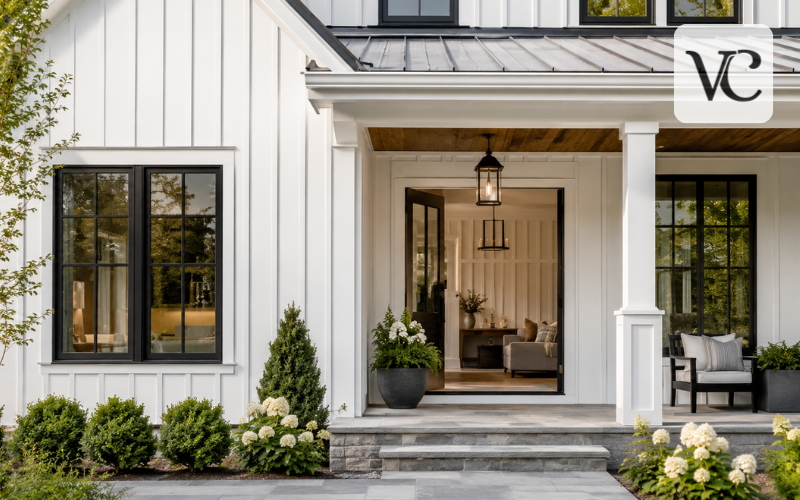
Board and batten siding is one of the most recognizable exterior applications of this design style. It gives homes a strong architectural appearance while providing a practical surface for protecting the building.
Unlike some traditional horizontal siding options, board and batten siding uses vertical lines that create a taller and more structured appearance. This makes it a popular choice for homeowners who want their house to stand out while maintaining a clean and timeless look.
Board and batten siding is commonly used on:
- Full house exteriors
- Garages
- Porches
- Barn-style homes
- Accent sections of exterior walls
One reason homeowners choose this style is its versatility. It works beautifully with modern farmhouse homes, where the vertical pattern adds a simple country-inspired look. It also fits traditional houses and contemporary designs when combined with the right colors and materials.
Modern board and batten siding is available in many durable materials. While natural wood remains popular for its warmth and character, many homeowners choose alternatives such as fiber cement or engineered wood because they require less maintenance and provide better resistance against moisture and weather.
Proper installation is important for exterior applications. The siding must be installed with attention to moisture protection, sealing, and spacing to help maintain its appearance over time.
Board and Batten Interior Design Ideas for Modern Homes
While board and batten started as an exterior building technique, it has become a popular interior design feature. Many homeowners use it to add personality and architectural detail to plain walls.
What is board and batten interior design? It is a decorative wall treatment where boards or panels are combined with narrow strips to create a textured pattern inside a home. Unlike exterior siding, interior board and batten is usually focused more on appearance than weather protection.
Popular interior uses include:
- Accent walls
- Bedrooms
- Entryways
- Dining rooms
- Hallways
- Living room feature walls
A board and batten accent wall can transform a simple space by adding depth and visual interest. It is often used behind beds, sofas, or dining areas to create a focal point.
Many homeowners also use board and batten as a type of decorative wainscoting. Instead of covering an entire wall, it may cover the lower portion of a wall while leaving the upper section painted in a complementary color.
One advantage of interior board and batten is that it can match many design styles. Painted white board and batten can create a fresh, traditional look, while darker colors can create a bold and modern atmosphere.
Because it does not require major structural changes, it has become a popular home improvement project for people who want to upgrade their space with a noticeable but affordable design feature.
Materials Used for Board and Batten Projects
The material used for board and batten depends mainly on where it will be installed. Interior projects usually require different materials than exterior siding because they face different conditions.
For interior board and batten walls, common materials include MDF and wood strips. MDF is popular because it is affordable, smooth, and easy to paint. Pine and other wood options are also commonly used when homeowners want a more natural appearance.
Exterior board and batten requires materials that can handle moisture, temperature changes, and outdoor exposure. Common choices include:
- Cedar
- Fiber cement
- Engineered wood
- Vinyl
- Metal siding
Natural wood, such as cedar, provides a traditional appearance and beautiful texture. However, it may require more maintenance compared with modern alternatives.
Fiber cement is often chosen for exterior projects because it offers durability and resistance against common problems like moisture damage and insects. Engineered wood provides a wood-like appearance while offering improved performance.
The best material depends on several factors, including climate, maintenance preferences, budget, and the desired appearance. Choosing the right material helps ensure that board and batten remains attractive and functional for many years.
Board and Batten House Designs and Popular Architectural Styles
Board and batten has become a popular feature in many types of homes because it blends easily with different architectural styles. Its simple vertical pattern allows it to create either a traditional or modern appearance depending on how it is designed.
Modern farmhouse homes are one of the most common examples where board and batten is used. The style complements farmhouse architecture because it creates a clean, welcoming exterior with a connection to traditional rural buildings.
Cottage-style houses also benefit from board and batten because the texture adds warmth and charm. When combined with natural colors, wood accents, and simple landscaping, it creates a comfortable and inviting appearance.
Traditional homes can use board and batten as an exterior accent or interior feature to add architectural detail without changing the overall character of the property.
Contemporary homes often use board and batten in creative ways, such as combining dark siding colors with modern materials for a dramatic appearance.
The strongest visual impact usually comes when board and batten is used thoughtfully. It does not need to cover every surface to make a statement. Sometimes a single wall, entry area, or exterior section is enough to create a memorable design feature.
How Much Does Board and Batten Cost?
The cost of board and batten depends on several factors, including materials, project size, location, and whether the installation is done professionally or as a DIY project.
Interior board and batten projects are usually less expensive than exterior siding because they require fewer materials and do not need the same level of weather protection.
Main factors that influence board and batten cost include:
- Type of material selected
- Size of the area being covered
- Labor expenses
- Surface preparation requirements
- Design complexity
For interior walls, affordable materials like MDF can help keep costs lower, while premium wood options may increase the overall budget.
Exterior board and batten siding usually costs more because it requires durable materials and proper installation techniques. Additional expenses may include protective coatings, repairs, insulation considerations, and professional labor.
Planning the design carefully before purchasing materials can help prevent unnecessary expenses. Measuring the area accurately and choosing materials that match the home’s needs are important steps for managing the budget.
Board and Batten Installation: Important Things to Know
Installing board and batten requires careful planning to achieve a balanced and professional appearance. Although some interior projects can be completed as DIY improvements, larger or exterior installations may require professional help.
The basic installation process usually involves preparing the wall or exterior surface, measuring the layout, installing boards or panels, attaching battens, filling gaps, and completing the finishing work.
Proper measurement is one of the most important steps. Uneven spacing can make the final design look inconsistent. Before attaching materials, many installers plan the layout carefully to avoid awkward placements near doors, windows, or corners.
For exterior siding, proper installation is even more important because incorrect methods can lead to moisture problems. Weather protection, sealing, and ventilation should be considered.
A professional installer may be the better choice for large projects, complex designs, or exterior applications where long-term durability is important.
Board and Batten Spacing and Measurement Guide
Spacing plays a major role in the final appearance of board and batten. There is no single perfect measurement because the ideal spacing depends on the size of the wall and the style a homeowner wants to achieve.
Common board widths may range from about 6 to 12 inches, while batten strips are often around 1.5 to 3.5 inches wide.
Exterior installations commonly use wider spacing, while interior projects may use different layouts depending on the room design.
A good approach is to measure the entire wall first and decide how many battens will create a balanced appearance. The goal is to avoid having very narrow spaces at the edges compared with the rest of the wall.
Careful planning before installation helps create a professional-looking result.
Choosing Board and Batten Materials From Home Improvement Stores
Many homeowners purchase board and batten supplies from home improvement stores such as Home Depot. These stores typically offer a variety of boards, trim pieces, panels, and related materials.
When choosing materials, consider:
- The location of installation
- Required durability
- Ease of maintenance
- Budget
- Desired finish
For interior projects, homeowners often compare MDF and wood options based on appearance and painting requirements. For exterior projects, durability and weather resistance become more important.
It is helpful to check the quality, thickness, and condition of materials before purchasing. Selecting suitable materials from the beginning can improve the final result and reduce future repairs.
Board and Batten vs Other Wall and Siding Styles
Board and batten has a unique appearance compared with other popular wall and siding styles.
Shiplap, for example, uses horizontal boards with visible gaps and creates a different type of texture. It is often associated with coastal and farmhouse interiors.
Traditional siding usually focuses more on horizontal patterns, while board and batten creates a vertical appearance that can make buildings look taller.
Wainscoting is another interior wall treatment, but it typically covers only part of a wall and may use different panel designs.
The right choice depends on the desired style, maintenance needs, and overall design goals.
Common Mistakes to Avoid With Board and Batten Design
Although board and batten is relatively simple, mistakes during planning or installation can affect the final appearance.
One common mistake is incorrect spacing. Uneven gaps can make the design look unfinished or unbalanced.
Choosing unsuitable materials is another issue. Materials that are not designed for exterior use may not perform well when exposed to weather.
For outdoor projects, ignoring moisture protection can lead to long-term damage. Proper sealing and installation methods are important.
Poor preparation and finishing can also reduce the quality of the result. Filling gaps, sanding surfaces, and applying proper paint or protective finishes help create a polished appearance.
Another mistake is using too much board and batten without considering the overall design. While it is attractive, it should complement the space rather than overwhelm it.
Is Board and Batten Still a Popular Design Choice?
Yes, board and batten remains a popular design choice because it offers a combination of simplicity, character, and flexibility.
Modern homeowners appreciate that it can work with many styles, from traditional houses to updated contemporary designs. It provides visual interest without relying on complicated patterns or excessive decoration.
Its long-lasting appeal comes from its ability to adapt. A white board and batten wall may create a classic look, while a dark exterior application can feel modern and dramatic.
Because it works for both interiors and exteriors, board and batten continues to be a valuable design feature for homeowners looking to improve the appearance of their spaces.
Conclusion
Board and batten has remained popular because it combines practical function with timeless beauty. What began as a traditional exterior siding method has grown into a versatile design choice used in modern homes around the world.
Whether used as board and batten siding, an interior accent wall, or a complete home design feature, it adds texture, structure, and personality. Its wide range of materials and styles allows homeowners to create a look that matches their preferences and budget.
Before starting a board and batten project, it is important to consider the space, material choice, installation method, and maintenance needs. With proper planning, this classic style can provide a beautiful and lasting improvement to both interior and exterior spaces.
Frequently Asked Questions (FAQs)
What is board and batten used for?
Board and batten is used for exterior home siding and interior wall decoration. It adds texture, visual interest, and a structured architectural look to different spaces.
Is board and batten expensive?
The cost depends on material choice, project size, and installation method. Interior projects are usually more affordable than full exterior siding installations.
Can board and batten be used indoors?
Yes, board and batten is commonly used indoors for accent walls, bedrooms, entryways, dining rooms, and hallway designs.
What materials are best for board and batten?
Popular materials include wood, MDF, cedar, fiber cement, engineered wood, and vinyl. The best choice depends on where it will be installed.
Is board and batten still popular?
Yes, board and batten remains popular because it works with both traditional and modern home designs while adding timeless style and character.
Disclaimer: This article is provided by VogueCultures.co.uk for informational and educational purposes only. We share general information about board and batten, including its design, uses, materials, and related considerations. This content is not sponsored, paid, or created as part of any guest posting, advertising, or promotional partnership. We do not represent any product manufacturer, service provider, or installation company. Readers should verify details and seek professional advice when making construction, renovation, or design decisions.
Enjoyed this article? Discover more helpful ideas and fresh inspiration on Vogue Cultures.