A hat can do more than complete an outfit. It can show your personality, celebrate a memory, or give a group something that feels shared. When you design your own hat, you choose the style, colour, and details instead of settling for something already on a shop shelf. Even a small change, such as embroidered initials or a favourite symbol, can make an ordinary cap feel personal.
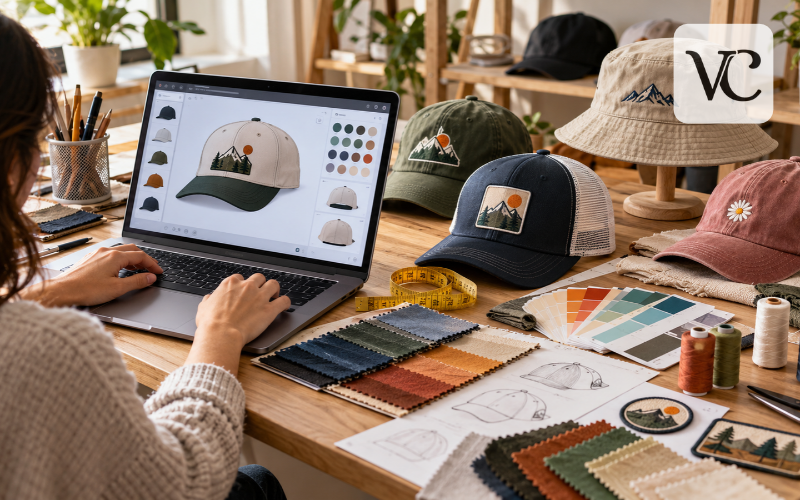
Online customization makes the process easier than it sounds. Most services let you select a blank hat, upload artwork or type a message, and view a digital preview before ordering. Some also offer patches, different thread colours, or printing for more detailed images.
Custom hats can be useful as everyday accessories, thoughtful gifts, team wear, or business merchandise. You do not need professional design skills to get started. What matters most is choosing a comfortable hat, keeping the artwork clear, and understanding how the design will be applied to the fabric.
Snippet-Ready Definition:
Design your own hat means personalizing headwear with colours, text, logos, or artwork. Voguecultures.co.uk provides information and guidance about custom hat design only, without offering hat design, sales, or ordering services.
Quick Comparison Table: Custom Hat Design Methods
| Method | Best For | Key Consideration |
| Embroidery | Names, initials, simple logos | Fine details may be difficult to stitch |
| DTF Printing | Colourful artwork and detailed graphics | Requires compatible fabric and heat application |
| Sublimation | Colourful patterns on suitable polyester hats | Limited fabric compatibility |
| Embroidered Patches | Logos and textured designs | Patch size and attachment matter |
| Leather Patches | Minimal branding and classic designs | Fine artwork may need simplifying |
How to Design Your Own Hat: Quick Steps
- Choose your hat: Select a baseball cap, snapback, bucket hat, trucker hat, or beanie.
- Pick a design tool: Use an online customization platform or suitable design app.
- Add your artwork: Upload a logo, type a phrase, or create a simple illustration.
- Customize the appearance: Adjust colours, design size, and placement.
- Select the decoration: Choose embroidery, printing, or patches based on available options.
- Review before ordering: Check the preview, sizing, total price, and delivery details.
Choose the Right Hat Style for Your Design
Start with a style you would actually enjoy wearing. A traditional baseball cap usually has a curved brim and a fairly familiar shape. A dad hat has a softer, more relaxed crown that gives simple lettering a casual look. Trucker hats often have mesh at the back for airflow and a firmer front panel that can hold a bold design.
Snapbacks typically have an adjustable fastening, and many have a flatter brim, although shapes vary. Bucket hats offer a soft crown and a brim all the way around, making them appealing for relaxed summer outfits. Beanies are better suited to cooler weather and often look best with a small embroidered mark or patch.
Look beyond appearance, too. A structured crown keeps its shape, while an unstructured one sits more naturally against the head. Cotton can feel soft, mesh can improve ventilation, and heavier fabrics may feel warmer. Check the size range and whether the fastening is adjustable. The best starting point is a hat that fits your head and suits how you plan to wear it.
Find Inspiration for Your Custom Hat
A memorable design does not have to be complicated. Your initials in a clean typeface, a short phrase, a small drawing, or a meaningful date can all work well. You might use a line drawing of your favourite flower, a simple mountain outline, or colours that match clothes you wear often. Think about what you would still enjoy seeing on the hat months from now.
If you want a custom hat with logo artwork, begin with the clearest version of the logo you have. A business mark may need a simpler version if it contains fine lines or several tiny words. For a personal design, try sketching a few ideas on paper before opening a design tool.
Leave room around the artwork so it can stand out. A single centred symbol often looks more balanced than several unrelated pictures and phrases squeezed together. Inspiration is useful, but the finished design should still feel like your own.
How to Design Your Own Hat Online Step by Step
To design your own hat online, begin by choosing a customization service that offers the style and decoration method you want. Browse the available caps, read the fabric and sizing details, and check which parts of each hat can be customized. Not every style allows printing or stitching in the same places.
Next, open the platform’s design tool. You can usually upload an image, choose a font, enter text, and select colours. Position the artwork inside the marked design area rather than stretching it to the edge. Keep small details large enough to be seen from a normal distance. If you are using embroidery, check whether the service limits the number of thread colours or the size of lettering.
Look at the preview from more than one angle when possible. Read every word again, check that colours contrast with the fabric, and make sure the design is centred where you want it. A digital preview is only an estimate of the physical result, so also review the provider’s artwork guidance.
Finally, choose the quantity, check the total price and delivery estimate, and place the order. For a larger batch, ordering one sample first can help you catch problems before every hat is made.
Free Hat Design Tools, Apps, and Templates
If you want to design your own hat online free, you can often create the artwork without paying for software. Canva offers editable design resources, while services such as Printify and Printful provide free tools for arranging text or images on supported hats. Some features, graphics, or downloads may still require payment, depending on the tool.
A hat design template helps you see how the artwork might sit on a particular style. Use the actual product template whenever it is available, since a design that looks good on a flat page may not fit a curved front panel. Keep a copy of your original artwork so you can resize it later.
You can also look for a design your own hat app or a mobile-friendly website if you prefer working on your phone. Check whether it lets you export a suitable file, not just save a screenshot. Designing digitally may be free, but ordering the physical hat, adding special decoration, and shipping it normally cost money.
Prepare Your Logo, Text, and Artwork
Clear artwork makes a noticeable difference, especially on a small surface. Choose letters that remain readable when reduced and avoid packing long sentences across a narrow panel. Strong contrast helps: dark lettering tends to show well on a light hat, while lighter thread or print can stand out against navy or black fabric.
For printed artwork, a sharp, high-resolution image is usually better than a blurry picture enlarged from a phone screenshot. A transparent background can prevent an unwanted coloured box from appearing around your design. Providers commonly accept formats such as PNG, but exact file types and size requirements differ. Follow the instructions for the hat you choose.
Embroidery needs extra care because thread cannot reproduce every tiny line. As one practical reference, some embroidery services recommend lettering at least about 6 mm tall, but their own product rules should take priority. If you are using a brand logo, illustration, or photograph created by someone else, make sure you have permission to reproduce it.
Custom Hat Embroidery, Printing, and Patches
The decoration method affects both the look of your hat and the type of design you can use. Custom hat embroidery stitches thread into the fabric, creating a slightly raised, textured finish. It usually works especially well for names, short words, and logos made from clear shapes. Very thin lettering, subtle shading, and photographic details may need to be simplified.
Printing offers more flexibility for detailed artwork. Direct-to-film, often shortened to DTF, transfers a printed design onto suitable fabric using heat. It can handle many colours and finer details than traditional embroidery, though the surface feels different from stitching. Sublimation uses heat to transfer dye into compatible materials and can work well for all-over designs on certain polyester products. Neither printing method is available for every hat.
Patches are another option. An embroidered patch adds texture, a woven patch can capture some finer lines, and a leather or leather-look patch gives a more understated finish. Check how each patch is attached and whether it suits the material. Rather than choosing a method only because it looks impressive in photos, match it to your artwork, budget, and how often the hat will be worn.
Choose the Best Colours and Design Placement
Colour can make a simple hat feel carefully designed. Start with the hat itself, then choose one or two artwork colours that complement it. Cream stitching on a dark green cap can create a softer contrast than pure white, while black lettering on a pale beige hat can look clean and easy to read. Compare shades on screen, but remember that fabric and thread colours may look slightly different in person.
The front panel is a natural place for a logo or main phrase because people see it first. A small side design can feel more subtle, while a short word near the back fastening can add a personal detail. Some hats allow decoration in only one position, so check before planning several elements.
Curved crowns, seams, and the edge of a brim can interrupt artwork. Keep important letters away from those areas and use the provider’s placement boundaries rather than guessing from the preview.
Design Custom Hats for Personal Use, Gifts, or Businesses
Personalized hats work best when they mean something to the person wearing them. For a birthday gift, you could use a favourite colour and discreet initials. A shared phrase or meaningful date can suit a family gathering, while a simple motif can turn a basic cap into an everyday accessory. Consider the recipient’s preferred style instead of choosing only what looks exciting on screen.
For teams and businesses, keep branding clear and consistent. A recognizable logo on a comfortable hat is often more useful than a crowded design with several slogans. If the hats will be worn outdoors or during work, pay attention to breathability, fabric care, and fit as well as appearance.
You can find custom logo hats with no minimum order through some print-on-demand services and selected products from other suppliers. That means you may be able to order just one sample or gift. Always check the specific listing, because minimum quantities can change between styles and decoration methods.
Compare Online Platforms for Custom Hat Design
Different services suit different needs. Printify offers a product creator and works with a network of print providers, which gives you choices of styles and production options. Printful offers its own design tool, made-to-order hats, and several decoration methods on selected products. Both can be useful for a single personal order or for someone planning to sell designs without storing stock.
Custom Ink focuses strongly on personalized items for groups, events, and businesses. It offers a design tool and a broad selection of hat styles; some products have no minimum, while others require larger orders. Custom Lids is another option to explore if you are interested in embroidery-focused personalization and cap details. Availability and services depend on the product and location.
Do not choose a platform based only on an attractive preview. Compare the exact hat, allowed design size, available decoration positions, reviews for the relevant product, and support options. For UK orders, check the dispatch country, delivery charges, currency, and any import costs before paying. The most suitable provider is the one that can make your particular design clearly and deliver it within your budget.
Understand Custom Hat Prices and Ordering Costs
The price of a custom hat usually starts with the blank product. A basic cotton cap may cost less than a premium structured style, but fabric quality, brand, and decoration can change the total. Embroidery may involve artwork setup or digitization, which means converting a picture into instructions for the stitching machine. Some suppliers include this in the price; others charge separately.
Extra design positions, special patches, shipping, and taxes can also increase the cost. A price shown for a large quantity may be much lower per hat than the price for one, so make sure you are comparing like with like. Free design software does not mean free production.
If you need several hats, request a full quote that includes all charges rather than focusing on a headline unit price. For a single hat, paying a little more for a comfortable style and clear decoration may be better value than choosing the cheapest available option.
Check Your Hat Design Before Placing an Order
Take a final look before submitting payment. Confirm the spelling of names, numbers, and dates. Check whether the artwork is balanced, whether the chosen colours have enough contrast, and whether any part of the design sits too close to a seam. If the service provides a formal proof, approve it only after reading every detail.
Also check the physical hat. Look at the stated size range, crown shape, fabric composition, and fastening. An adjustable cap can be forgiving, but it is not guaranteed to suit every head size. If comfort matters, compare measurements with a hat you already own.
A sample order is especially helpful for business or event quantities because screens cannot show exactly how stitching feels or how colours look in daylight. Check production and delivery estimates separately, allowing extra time before an important date. Read the return policy too: personalized items may have different change-of-mind rules, although remedies for faulty or misdescribed goods can still apply.
Common Mistakes to Avoid When Designing Your Own Hat
One common mistake is treating a hat like a large poster. Tiny lettering, long quotes, and intricate pictures may look fine when zoomed in but become difficult to recognize on fabric. Try viewing your artwork at its intended size before ordering. If the message is not clear, remove details rather than making everything smaller.
Another mistake is selecting a decoration method that does not suit the artwork. A photograph may be better printed than embroidered, while a simple two-colour logo can look excellent in thread. Similar-looking colours can also disappear into each other, especially when viewed from a distance.
Finally, do not overlook practical details. Choosing the wrong fit, assuming every supplier accepts single orders, or forgetting delivery costs can spoil an otherwise thoughtful project. Confirm the design rules, review the proof, and check the complete order details. A few careful decisions are more useful than adding extra effects that the hat does not need.
Conclusion
When you design your own hat, the most satisfying results usually come from simple, considered choices. Start with a style that feels comfortable, create artwork that is easy to recognize, and choose embroidery, printing, or a patch based on what will suit that artwork best.
Before ordering, check the size, preview, production method, final price, and delivery details. If you are making hats for a group, a sample can offer extra reassurance. Whether the finished piece carries your initials, a playful drawing, or a meaningful logo, a personal design can turn an everyday accessory into something you genuinely enjoy wearing.
Frequently Asked Questions
Can I design my own hat online for free?
Yes. Some online platforms allow you to create artwork and preview custom hats for free. However, ordering a physical hat usually involves product, customization, and shipping charges.
Which type of hat is best for customization?
Baseball caps, dad hats, trucker hats, and snapbacks are popular choices. The best option depends on your preferred style, comfort, fabric, and whether you want embroidery, printing, or patches.
Is embroidery better than printing for custom hats?
Embroidery works well for simple logos, initials, and short text because it creates a textured finish. Printing is often more suitable for detailed illustrations and colourful designs, depending on the fabric.
Can I order just one custom hat with my logo?
Yes. Some print-on-demand services offer custom logo hats without minimum order quantities. However, certain hat styles, embroidery options, and suppliers may require larger orders, so check before purchasing.
What should I check before ordering a personalized hat?
Review the spelling, design placement, artwork quality, colours, and hat measurements. Also check the production time, shipping costs, and return policy to avoid unexpected problems with your order.
Disclaimer: This article on voguecultures.co.uk is published strictly for educational and informational purposes. It is not a guest post, sponsored article, paid promotion, or advertisement. We do not design, manufacture, sell, or fulfil custom hat orders. Any brands, platforms, or customization services mentioned are included solely to help readers understand their available options. Features, prices, and availability may change, so readers should verify details directly with providers before making a purchase.
Enjoyed this article? Discover more helpful ideas and fresh inspiration on Vogue Cultures.