Fingerless gloves are designed to keep the hands warm and protected while leaving the fingertips open for easier movement and better control. Unlike traditional gloves that cover every finger, these gloves allow users to keep their hands comfortable while still performing tasks that require accuracy and touch sensitivity.
Many people choose fingerless gloves because they offer a practical balance between warmth and freedom. They are useful during colder months when hands need protection but fingers still need to remain active. Someone using a phone, camera, tools, or sports equipment may find full gloves restrictive, while fingerless designs allow more natural movement.
Another reason these gloves remain popular is their flexibility in different situations. They are worn for everyday winter use, outdoor activities, creative hobbies, work, cycling, fitness, and fashion. Some people prefer them because they provide a casual style, while others choose them because they help with specific activities where finger movement matters.
This guide explains what fingerless gloves are, how they work, the different materials available, their benefits, and how to choose the right pair based on your needs.
Snippet-Ready Definition:
Fingerless gloves are hand coverings designed to provide warmth and protection while keeping fingertips free for better movement and control. Voguecultures.co.uk provides informational content about fingerless gloves, including their uses, materials, and features.
Quick Guide: Fingerless Gloves Comparison Table
| Type of Fingerless Gloves | Best For | Main Benefit | Common Materials |
| Winter Fingerless Gloves | Cold weather, daily wear | Keeps hands warm while allowing finger movement | Wool, fleece, thermal fabrics |
| Leather Fingerless Gloves | Style, work, outdoor use | Durable protection and classic appearance | Leather |
| Crochet Fingerless Gloves | Fashion and handmade designs | Comfortable and customizable style | Yarn, wool blends |
| Cycling Fingerless Gloves | Cycling and sports | Better grip and palm comfort | Synthetic fabrics, mesh, padding |
| Work Fingerless Gloves | Tools and daily tasks | Improves control and hand protection | Leather, reinforced fabrics |
Quick Tips for Choosing Fingerless Gloves
- Choose the material based on your needs:
- Wool for warmth
- Leather for durability
- Lightweight fabrics for active use
- Consider the main purpose:
- Everyday wear
- Outdoor activities
- Work tasks
- Sports and exercise
- Check important features:
- Comfortable fit
- Good grip
- Strong stitching
- Breathable design
- Select the right size:
- Gloves should feel secure without restricting hand movement.
What Are Fingerless Gloves and How Do They Work?
Fingerless gloves are gloves that cover the palm, back of the hand, and usually part of the fingers while leaving the fingertips exposed. Some designs stop below the knuckles, while others cover most of the fingers but leave only the tips open. The main purpose of this design is to provide warmth and protection without reducing hand movement.
Traditional gloves are excellent for keeping the entire hand insulated, especially in very cold conditions. However, they can sometimes make detailed tasks more difficult because the fabric separates the fingers and reduces direct contact with objects. Fingerless gloves solve this problem by allowing the fingertips to move freely.
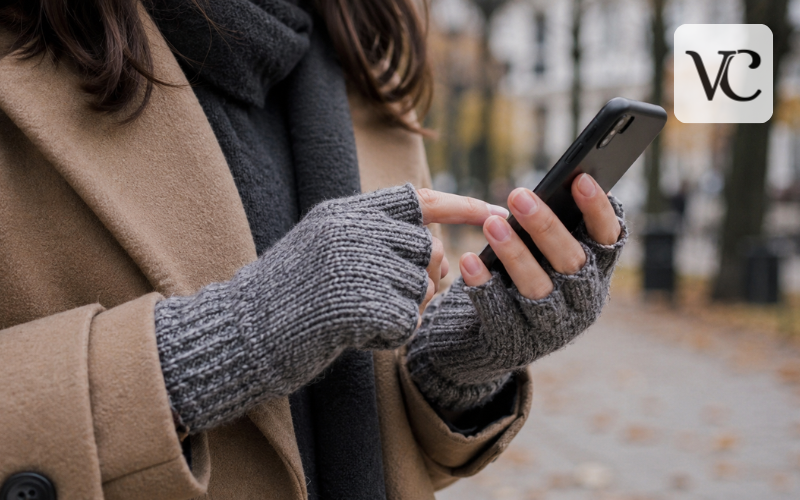
The open-finger design improves dexterity, which means the ability to use the hands accurately and easily. This is especially helpful for activities such as typing, photography, drawing, crafting, handling equipment, or using touchscreen devices.
Keeping fingertips free can also improve grip. When the fingers can directly touch an object, users often have better control compared with wearing thick gloves. This makes fingerless gloves useful for people who need both protection and precision.
The Main Benefits of Wearing Fingerless Gloves
One of the biggest advantages of fingerless gloves is improved hand movement. Because the fingertips are not covered, users can complete detailed tasks without constantly removing their gloves. This makes them convenient for people who switch between warming their hands and using their fingers throughout the day.
They also provide warmth without completely limiting finger use. While they may not offer the same level of insulation as fully covered winter gloves, they can keep the palms and wrists comfortable in cool environments. Many designs focus on protecting areas where heat loss commonly occurs while allowing finger flexibility.
Fingerless gloves can improve grip when handling phones, cameras, tools, or sports equipment. The direct contact between fingers and objects can make movements feel more natural and controlled.
Comfort is another important benefit. Many people wear these gloves for long periods because they do not create the same feeling of restriction as thicker gloves. Soft materials such as wool, fleece, and cotton blends can provide a comfortable fit for daily activities.
Beyond practicality, fingerless gloves are also a fashion choice. They come in many colors, textures, and styles, allowing people to add a unique touch to casual outfits. Leather, knitted, and handmade designs are often chosen for their appearance as well as their function.
Different Types of Fingerless Gloves for Everyday and Specialized Uses
Fingerless gloves are available in many designs because different activities require different features. Choosing the right type depends on how and where the gloves will be used.
Casual fingerless gloves are commonly worn for everyday activities such as walking, commuting, shopping, or relaxing outdoors. They are usually made from comfortable fabrics and focus on warmth, style, and easy movement.
Winter fingerless gloves are designed for colder weather. They often use insulating materials such as wool, fleece, or thermal fabrics. Some winter styles include a fold-over mitten cover that can be pulled over the fingers when extra warmth is needed.
Fingerless gloves for work are designed for people who need hand protection while maintaining control. Workers who handle tools, equipment, or materials may prefer gloves with reinforced palms and durable construction.
Cycling and sports fingerless gloves are made with activity-specific features. Cycling gloves often include padded palms to reduce pressure and vibration during rides. Sports gloves may focus on grip, ventilation, and flexibility.
Hiking and outdoor fingerless gloves are usually lightweight and breathable. They are useful during activities where users need to adjust equipment, use trekking poles, or handle outdoor gear.
Photography and creative activities are another common use. Photographers, artists, and craftspeople often prefer fingerless designs because they allow precise hand movements while providing some protection from cooler temperatures.
Materials Used in Fingerless Gloves and Their Advantages
The material of fingerless gloves plays an important role in their comfort, warmth, durability, and purpose. Different fabrics provide different benefits.
Wool is one of the most popular materials because it naturally helps retain warmth. Wool fingerless gloves are often chosen for cold weather because they can provide insulation while remaining breathable. Merino wool is especially valued for being soft and comfortable against the skin.
Leather fingerless gloves are known for durability and a distinctive appearance. Leather can provide protection against rough surfaces while offering a classic style. These gloves are often used for fashion, driving, work, and outdoor activities.
Crochet fingerless gloves are popular among people who enjoy handmade designs. They can be created with different patterns, colors, and textures. Crochet styles are often chosen for their personal appearance and comfortable feel.
Fleece and synthetic materials are commonly used in active gloves because they are lightweight, soft, and quick-drying. These materials are often suitable for outdoor activities where moisture management and flexibility matter.
Breathable fabrics are useful for sports and physical activities. They help reduce discomfort caused by sweating while allowing air movement around the hands.
When selecting fingerless gloves, the material should match the intended use. A warm wool design may be suitable for winter walks, while a breathable synthetic option may work better for cycling or exercise.
Choosing Fingerless Gloves for Cold Weather and Winter Wear
Selecting fingerless gloves for winter requires considering warmth, comfort, and coverage. Since the fingertips remain exposed, the best winter options usually provide extra protection around the palms and wrists.
Wrist coverage is an important feature because the wrist area can lose heat quickly. Longer designs that extend further up the wrist can provide additional warmth and help prevent cold air from entering.
Wool and insulated materials are popular choices for winter fingerless gloves. They provide better warmth compared with lightweight fabrics and are suitable for cooler environments.
Convertible designs are another useful option. These gloves may include a fold-over section that covers the fingers when needed and folds back when users require more freedom. This gives users the flexibility of both glove styles in one product.
The ideal winter glove depends on personal comfort and weather conditions. Someone spending short periods outdoors may prefer lightweight warmth, while someone working outside for hours may need stronger insulation.
Fingerless Gloves for Work, Tools, and Daily Tasks
Many people choose fingerless gloves for work because they provide a useful combination of protection and control. Tasks that require handling small objects, operating equipment, or using tools can become easier when fingertips remain uncovered.
For work purposes, grip and durability are often the most important features. Materials such as leather or reinforced synthetic fabrics can help protect the hands from everyday wear.
Good work fingerless gloves may include reinforced palms, strong stitching, secure wrist closures, and breathable materials. These features help improve comfort during extended use.
However, the level of protection needed depends on the type of work. Fingerless gloves are useful for many tasks, but they may not provide full protection from extreme cold, sharp objects, or hazardous environments.
Fingerless Gloves for Sports and Outdoor Activities
Fingerless gloves are widely used in sports and outdoor activities because they allow natural hand movement. Athletes and outdoor enthusiasts often need gloves that protect their hands without reducing control.
Cyclists commonly use fingerless gloves because they allow better handlebar control while providing palm cushioning. Many cycling designs include padding to improve comfort during longer rides.
For climbing and adventure activities, gloves with durable materials can help protect the palms while allowing climbers to feel surfaces and equipment. Flexibility is especially important when precision matters.
Hikers may prefer lightweight fingerless gloves because they allow easy handling of maps, gear, and outdoor tools. Breathable materials can also make them more comfortable during active movement.
Gym users sometimes choose fingerless gloves because they can improve grip while protecting the palms during training exercises. Sports-focused designs usually differ from casual gloves by including stronger materials and activity-specific features.
Fingerless Gloves Leather: Style, Durability, and Practical Use
Leather fingerless gloves combine appearance with function. They are often chosen by people who want a durable glove with a classic look.
Leather construction can provide resistance against everyday wear and can feel comfortable after breaking in. These gloves are commonly used for casual fashion, driving, outdoor activities, and certain types of work.
Compared with fabric gloves, leather options may offer a stronger outer surface, but they usually require more care to maintain their appearance. Fabric gloves may be lighter and easier to wash, while leather gloves often provide a more traditional style.
The best choice depends on whether the priority is durability, comfort, appearance, or activity performance.
Fingerless Gloves Wool and Crochet Styles for Comfort and Fashion
Wool and crochet fingerless gloves are popular because they combine comfort with personal style. Wool designs are often preferred during colder months because of their natural warmth.
Crochet fingerless gloves are especially popular among people who enjoy handmade accessories. They can feature different patterns, colors, and designs, making each pair unique.
Common styles include simple knitted textures, decorative patterns, and layered designs. These gloves can complement casual clothing while still serving a practical purpose.
For many users, wool and crochet options provide a comfortable everyday accessory that adds warmth without looking too bulky.
How to Choose the Right Fingerless Gloves for Your Needs
The right pair of fingerless gloves depends on the reason you need them. Everyday users may prefer soft and comfortable materials, while workers or athletes may need stronger designs.
Consider your main purpose before buying:
- Everyday wear may require comfort and simple warmth.
- Work use may require durability and grip.
- Sports activities may require breathable and flexible materials.
- Winter protection may require insulation.
- Fashion use may focus more on design and appearance.
Size and fit are also important. Gloves that are too tight can feel uncomfortable, while loose gloves may not provide enough warmth or control.
Checking material quality, stitching, flexibility, and durability can help you choose a pair that lasts longer and performs better.
Finding Fingerless Gloves Nearby and Online Shopping Tips
Finding fingerless gloves is usually easy through local clothing stores, outdoor shops, sports retailers, and online marketplaces. Shopping nearby allows you to check the fit and material before buying.
When shopping online, pay attention to product details such as material, size options, customer reviews, and care instructions. Product images can help with appearance, but written descriptions often provide important information about construction and features.
Platforms such as Amazon and other online retailers offer many styles, from simple winter gloves to specialized sports designs. Comparing different options can help you find gloves that match your needs and budget.
Avoid choosing only based on price. Low-quality gloves may not provide the comfort, durability, or fit expected from a good pair.
Creative Uses of Fingerless Gloves: Patterns, Designs, and Drawings
Fingerless gloves are also popular in creative hobbies. People who enjoy crafts often make their own versions using knitting or crochet techniques.
Crochet patterns allow users to create customized designs with different colors, shapes, and textures. Handmade gloves can become personal accessories or thoughtful gifts.
Artists also use fingerless gloves as inspiration in drawings and character designs. Their unique appearance can add personality to illustrations, especially in fashion, fantasy, and character artwork.
The combination of practical use and creative possibilities makes fingerless gloves popular beyond simple hand protection.
Conclusion
Fingerless gloves offer a practical solution for people who want hand protection while keeping their fingers free. Their combination of warmth, flexibility, and comfort makes them useful for everyday wear, outdoor activities, work, sports, and fashion.
The best pair depends on individual needs. Materials, fit, durability, and intended use all play an important role in making the right choice. Wool options may suit colder conditions, leather styles may appeal to those looking for durability and appearance, and lightweight designs may work better for active use.
By understanding the different types and features available, you can choose fingerless gloves that provide the right balance of comfort, protection, and freedom of movement.
Frequently Asked Questions
What are fingerless gloves used for?
Fingerless gloves are used for warmth, hand protection, improved grip, sports, work activities, creative tasks, and situations where keeping fingertips free is helpful.
Are fingerless gloves suitable for winter?
Yes, fingerless gloves made from wool, fleece, or insulated materials can provide warmth in cool conditions while allowing easier finger movement.
Can fingerless gloves be used for work?
Yes, many people use fingerless gloves for tasks that require grip and precision, such as handling tools or equipment.
Are leather fingerless gloves durable?
Leather fingerless gloves are generally durable and can provide a strong outer layer for everyday use, outdoor activities, and fashion purposes.
Can you use fingerless gloves with touchscreen devices?
Yes, fingerless gloves allow direct fingertip contact, making it easier to use touchscreen devices compared with fully covered gloves.
Disclaimer: This article is published on voguecultures.co.uk for informational and educational purposes only. We provide general information about fingerless gloves, including their types, materials, uses, and features. This content is not a paid promotion, sponsored article, guest post, or advertisement for any brand, product, or service. Readers should make their own decisions based on their personal needs and preferences before purchasing or using any product mentioned in this article.
Enjoyed this article? Discover more helpful ideas and fresh inspiration on Vogue Cultures.