A healthy garden does not depend on expensive equipment or a collection of clever tricks. Most plants need the same basic things: suitable light, healthy soil, enough water, and space for their roots to grow. Once you understand those needs, caring for plants becomes much easier. You can use the same principles in a vegetable patch, a flower border, or a few pots on a sunny windowsill.
The best gardening tips help you prevent problems instead of waiting for leaves to turn yellow or plants to wilt. That means choosing plants that suit your space, checking the soil before watering, and paying attention to small changes as plants grow. A little observation and a simple routine can make gardening more successful and enjoyable, even if you have never grown anything before.
Snippet-Ready:
Gardening tips are practical ways to grow healthier plants through proper watering, sunlight, soil care, and maintenance. voguecultures.co.uk provides informational guidance about gardening tips and this article only, without promoting products or services.
Gardening Tips – Quick Guide Table
| Gardening Area | Best Practice | Common Mistake to Avoid |
| Soil Preparation | Use healthy, well-draining soil enriched with suitable compost. | Using compacted or waterlogged soil. |
| Watering | Check soil moisture and water according to plant needs. | Overwatering or following a fixed schedule. |
| Sunlight | Match plants to their light requirements. | Growing sun-loving plants in deep shade. |
| Plant Selection | Choose plants suitable for your climate and space. | Selecting plants without checking growing conditions. |
| Seed Planting | Follow recommended sowing depths and spacing. | Planting seeds too deeply or overcrowding. |
| Container Gardening | Use suitable potting mix and pots with drainage holes. | Allowing roots to sit in standing water. |
| Fertilising | Feed plants when needed and follow product instructions. | Applying excessive fertiliser. |
| Pest Prevention | Inspect plants regularly and identify problems early. | Using unnecessary chemical treatments. |
| Mulching | Apply appropriate organic mulch away from stems. | Piling mulch against plant stems. |
| Pruning | Remove damaged growth using clean, sharp tools. | Cutting healthy growth unnecessarily. |
Simple Gardening Tips for Beginners – Step-by-Step Guide
- Choose a suitable location: Find an area with enough sunlight for the plants you want to grow.
- Start with easy plants: Try lettuce, radishes, marigolds, or suitable herbs.
- Prepare healthy soil: Improve garden soil with compost or choose an appropriate container potting mix.
- Plant correctly: Follow recommended seed depths, planting distances, and seasonal instructions.
- Water carefully: Check soil moisture regularly and avoid keeping roots constantly wet.
- Use mulch where suitable: Help outdoor soil retain moisture and reduce unwanted weeds.
- Check plants regularly: Look for pests, damaged leaves, and changes in growth.
- Adjust your routine: Change watering, feeding, and protection according to plant needs and weather conditions.
Gardening Tips for Beginners Start Small and Grow with Confidence
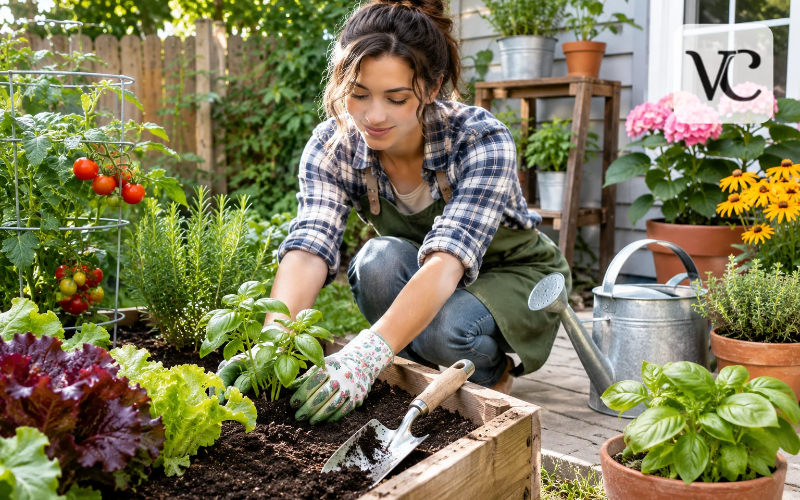
It is tempting to fill every empty corner with plants when you first start gardening. A better approach is to begin with one small bed, a few containers, or a sheltered spot near your home. Choose somewhere you can visit easily, because plants are simpler to care for when you see them often.
You only need a few basic tools to begin. A hand trowel, watering can, gardening gloves, and a small pair of clean pruning scissors will cover many everyday tasks. If you are growing in pots, choose containers with drainage holes and a suitable potting mix rather than using soil dug directly from the garden.
Try reliable beginner plants such as radishes, lettuce, marigolds, or mint in its own pot. Their needs are different, so check their growing instructions, but all can be rewarding choices in suitable conditions. Start with two or three varieties, learn how they respond to watering and light, and expand when you feel ready.
Choose the Right Plants for Your Space and Sunlight
Before buying plants, spend a day watching where sunlight falls in your garden or home. A spot that looks bright at lunchtime may be shaded for most of the morning. Note which areas receive direct sunshine and for how long, particularly during the growing season.
Plants described as needing full sun usually prefer at least six hours of direct sunlight a day, although some crops do better with more. Partial-shade plants generally cope with a few hours of direct sun or bright, filtered light. Shade-loving plants can grow with little direct sun, but most still need some natural light.
Also consider your local weather, the length of the growing season, and how large a plant will become. Tomatoes may thrive in a sunny, sheltered location, while many lettuces appreciate some afternoon shade in hot weather. Checking plant labels and local frost dates before planting saves time, money, and disappointment.
Build Healthy Soil and Give Roots Room to Grow
Roots take up water and nutrients, but they also need air. Soil that stays tightly packed or permanently wet can make it difficult for roots to function. Good garden soil holds enough moisture for plants without remaining waterlogged.
For outdoor beds, add well-rotted compost to the soil surface and gently work it into the top layer where appropriate, or let worms gradually incorporate it. Compost can improve the structure of both sandy and clay-rich soils over time. Avoid digging deeply around existing roots, and do not assume that more compost is always better. A soil test can help you understand whether extra nutrients are needed, especially in a vegetable garden.
Potted plants need a potting mix designed for containers. Ordinary garden soil may compact in a pot and drain poorly. Always use pots with drainage holes, and do not rely on a layer of stones at the bottom to solve drainage problems. The aim is simple: roots should have moisture, air, and enough room to develop.
Smart Watering Tips That Keep Plants Healthy
One of the most useful gardening tips is to check soil moisture before reaching for the watering can. Push a finger into the soil near the plant, or lift a smaller pot to judge its weight. If the soil is still damp at root level, watering may not be necessary. Surface dryness alone does not always tell you what is happening deeper down.
Established plants often benefit from a thorough watering that reaches their roots, followed by time for the soil to dry slightly. Newly sown seeds and young seedlings are different: they may need more frequent, gentle watering so the upper soil stays evenly moist. Containers also dry out faster than garden beds, especially in warm, windy weather. Never follow a fixed schedule without checking the conditions.
Early morning is usually a good time to water outdoors because plants can use the moisture before the hottest part of the day. Direct water towards the soil rather than regularly soaking the leaves. Wilting can signal dryness, but yellow leaves and drooping growth may also appear when roots are sitting in wet soil. Mulch, rainwater collection where practical, and grouping plants with similar needs can help reduce wasted water.
Planting Seeds and Young Plants the Right Way
Seeds need the right combination of moisture, temperature, and air to germinate. Some also need light, while others germinate best when covered. Read the seed packet instead of assuming every seed should be buried at the same depth. Sowing too deeply can prevent small seedlings from reaching the surface, while crowded seedlings compete for light and space.
Use a clean seed tray or small pots with drainage, filled with a suitable seed-starting mix. Keep the mix moist but not soaked, and place seedlings where they will receive enough light after sprouting.
Before moving indoor-grown seedlings outside, gradually introduce them to outdoor conditions over several days. This process helps reduce stress from wind, cooler temperatures, and strong sunlight. Transplant into prepared soil at the correct depth, water gently, and protect tender young plants from unexpected frost or intense midday heat. Local growing guides can help you choose a sensible sowing and planting time.
Container Gardening Tips for Beginners at Home
You do not need a large garden to grow useful or attractive plants. Balconies, patios, doorsteps, and windowsills can all support containers when light and growing conditions are suitable.
Choose a container that fits the plant’s mature size and root system. Small herbs may be comfortable in modest pots, while tomatoes and other large vegetables need much more growing space. Every container should have an open drainage hole and a suitable potting mix. Empty saucers after watering if water remains standing, unless the plant’s care instructions call for a different approach.
Indoor plants need special attention to light. A room can look bright to you but still be too dim for a sun-loving plant. Place plants according to their needs, keep them away from uncomfortable blasts of hot or cold air, and turn pots occasionally if growth leans towards a window. If roots become crowded or water passes straight through without soaking the mix, inspect the root ball before deciding whether to repot.
Vegetable Gardening Tips for Fresh Homegrown Food
Growing vegetables is a practical way to learn about plant care because you can see the results at harvest time. Start with crops that suit your season and available space. Radishes and many lettuces grow relatively quickly, while spinach prefers cooler conditions. Beans often grow well in warm weather, and climbing types need support. Tomatoes generally require a sunny position, steady watering, and a longer growing period.
Follow spacing recommendations instead of squeezing in as many plants as possible. Crowded vegetables compete for water and light, and poor airflow can encourage disease. Compost-rich soil and regular moisture help many crops, but feeding needs vary. Leafy vegetables may need a different approach from fruiting plants, and excessive fertiliser can produce weak growth rather than a better harvest.
Harvest when crops are ready, because leaving them too long can reduce flavour and quality. Picking suitable leafy crops regularly may also encourage further growth. Keep an eye on the weather and plan small repeat sowings where the season allows. A few healthy vegetable plants are often more productive than an overcrowded bed that is difficult to maintain.
Flower Gardening Tips for Beginners: Grow More Colour with Less Stress
Flowers can make a small outdoor area feel welcoming, but the easiest flower garden begins with choosing plants that suit the site. Marigolds, calendula, cosmos, and zinnias are popular choices in appropriate climates and sunny positions. For shady spaces, look for flowers specifically suited to lower light rather than trying to force sun-loving varieties to grow there.
Check how tall each flower will become and when it normally blooms. A mix of flowering times can keep a border interesting for longer. Give plants enough room for air to move between their leaves and water according to the needs of the species. Taller varieties may need support before stems become heavy with flowers.
Removing faded flowers, known as deadheading, can encourage some plants to produce more blooms. It is not necessary for every species, especially when you want seedheads for birds or natural reseeding. Choosing a variety of nectar-rich flowers can also support visiting bees and other pollinators. Avoid spraying flowers that insects are actively visiting, and remember that a garden does not have to look perfectly tidy to be healthy.
Clever Gardening Tips and Tricks That Make Everyday Care Easier
Useful gardening tricks often involve making your routine simpler, not buying unusual products. Group pots with similar watering needs together so you can check them at the same time. Put thirsty plants where they are easy to reach, and keep drought-tolerant varieties in a separate group. This small change can make daily care more consistent.
Label seeds and new plants with their names and planting dates. Reused, clean plant labels or weather-resistant tags work well. A garden notebook or phone note can record when you sowed seeds, which areas receive shade, and how plants responded to changes in weather.
Other low-cost ideas include collecting rainwater where local rules and conditions allow, covering bare garden soil with suitable mulch, and reusing clean nursery pots. Water slowly at the base of plants so it has time to soak in instead of running off. Be cautious with unusual gardening tips found online: household substances, homemade sprays, and random kitchen scraps are not automatically safe for plants or soil. Test new methods carefully and favour techniques with a clear purpose.
Mulching, Feeding, and Pruning for Stronger Plant Growth
Mulch is a simple way to protect the surface of outdoor soil. A layer of shredded leaves, straw, or wood chips can slow moisture loss, reduce some weed growth, and moderate soil temperature. Around many established plants, a layer of roughly 5 to 7 centimetres works well, but adjust it to the plant and material. Keep mulch away from stems and trunks so moisture does not remain trapped against them.
Fertiliser can help when plants are short of nutrients, but extra feeding is not a substitute for correct light, watering, or healthy roots. Start with compost and observe growth before adding products. If plants show ongoing problems, consider soil conditions or testing rather than guessing from leaf colour alone. Follow fertiliser labels carefully; too much can damage roots or wash into waterways.
Pruning should have a reason, such as removing dead or damaged growth, improving airflow, or shaping a plant at the right time. Use clean, sharp tools and avoid removing large amounts of healthy growth without understanding the species.
Prevent Common Gardening Problems Before They Spread
Healthy plants can still face pests, diseases, and occasional setbacks. Check them regularly rather than waiting until a problem becomes obvious. Look at the undersides of leaves, along stems, and near the soil surface. Small holes, sticky patches, spots, or distorted new growth may provide early clues about what is happening.
Not every yellow leaf means a plant needs fertiliser, and not every wilted plant needs more water. Check soil moisture, drainage, recent weather, and light levels before choosing a treatment. Some insects are helpful, so identify pests before attempting to remove them. If aphids appear in small numbers, they can sometimes be dislodged with a gentle stream of water, provided the plant is sturdy enough.
Pull weeds while they are young, preferably before they set seed, and avoid deep digging around established roots. Good spacing and watering near the soil help reduce some disease problems. Remove seriously affected plant material when appropriate, but avoid unnecessary sprays. If a pesticide is genuinely needed, use one approved for that plant and problem in your area, and follow its label exactly.
Gardening Tips for Kids and Simple Habits for Every Season
Gardening with children can be a fun way to explore nature and build patience. Try sowing a few large sunflower seeds, growing quick radishes, or measuring how much a seedling grows each week. Let children help fill pots, add labels, and water gently under supervision. Choose non-toxic plants where children play, teach them not to taste unknown leaves or berries, and keep tools and gardening products safely out of reach.
Simple seasonal habits make the rest of the garden easier to manage. In spring, check the soil, sow suitable seeds, and protect tender plants from late frosts. During summer, monitor watering closely, support growing stems, and harvest vegetables when ready. Autumn is a useful time to collect leaves for compost, plant suitable bulbs, and clear diseased material. In winter, protect vulnerable pots and plants from severe cold and avoid working soil when it is waterlogged.
These tasks will not happen in exactly the same months everywhere. Weather, local frost dates, and the plants you grow matter more than a fixed calendar. Keep your routine flexible and make small changes as conditions shift.
Conclusion
The most reliable gardening tips are often the simplest: give plants the light they need, create healthy growing conditions for their roots, water according to the soil, and check for problems regularly. It is about noticing what is happening and responding thoughtfully.
Start with a space you can manage and a few plants you genuinely enjoy. As you learn when your soil dries out, which areas receive enough sun, and how plants change through the seasons, gardening becomes less uncertain. Small, steady habits can turn even a modest windowsill or outdoor bed into a thriving place to grow.
Frequently Asked Questions
What are the most important gardening tips for beginners?
Start with easy-to-grow plants, choose a suitable sunny or shaded location, prepare healthy soil, and water according to plant needs. Regular observation and simple maintenance help prevent many common gardening problems.
How often should I water my garden plants?
Watering frequency depends on plant type, soil, weather, and container size. Check soil moisture before watering. Seedlings may need frequent gentle watering, while established plants often benefit from deeper, less frequent watering.
What are the easiest vegetables to grow for beginners?
Radishes, lettuce, spinach, and certain beans are beginner-friendly vegetables when grown in suitable conditions. Choose varieties suited to your local growing season, provide adequate sunlight, and follow recommended planting and watering instructions.
How can I improve my garden soil naturally?
Add well-rotted compost, maintain suitable mulch, and avoid compacting wet soil. These practices can improve soil structure and support healthy roots. A soil test can identify specific nutrient or pH problems.
Can I start gardening at home without a garden?
Yes, you can grow herbs, flowers, and some vegetables in containers on balconies, patios, or windowsills. Choose plants suited to available sunlight, use containers with drainage holes, and monitor moisture regularly.
Disclaimer: This article on gardening tips is published by voguecultures.co.uk for general educational and informational purposes only. The information is intended to help readers understand basic gardening practices, including plant selection, watering, soil preparation, and routine maintenance. Gardening results may vary depending on climate, soil conditions, plant varieties, and individual care. Readers should follow plant-specific instructions and local gardening guidance where appropriate. This article is independent informational content and does not involve guest posting, paid promotion, sponsored recommendations, or advertising. No particular plant growth, harvest, or gardening outcome is guaranteed.
Enjoyed this article? Discover more helpful ideas and fresh inspiration on Vogue Cultures.