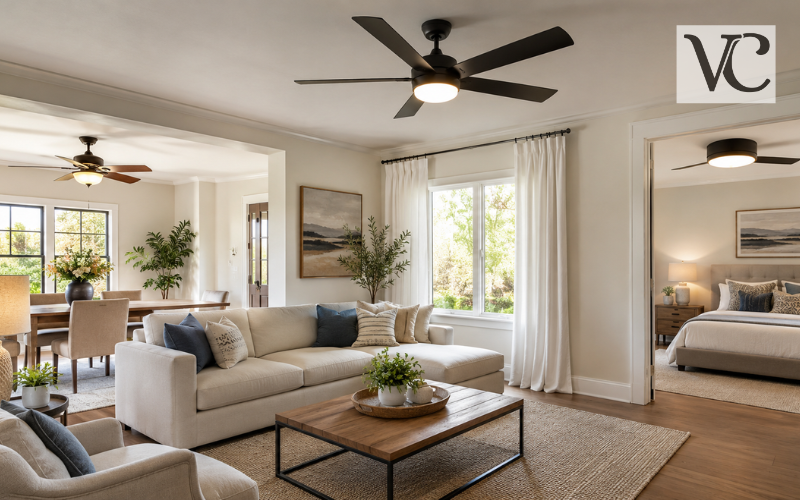

Learning how to become an interior designer involves more than developing a good eye for color, furniture, or décor. Professional designers plan spaces that must work safely and comfortably for real people. They may interpret floor plans, prepare drawings, select materials, coordinate with contractors, follow accessibility rules, manage budgets, and present ideas to clients.
The route is not identical for everyone. It depends on where you live, whether you prefer residential or commercial design, your target employer, and whether your area regulates the profession. In the United States, the Bureau of Labor Statistics says a bachelor’s degree is the typical entry-level education, although other education and experience pathways may be available.
A practical roadmap is to study the fundamentals, learn industry software, complete projects, gain supervised experience, build a convincing portfolio, and check whether certification or registration is needed. Some people follow a four-year degree route; others begin with an associate program, professional master’s degree, online course, or related experience. Choose the pathway that supports the work you intend to do.
Quick Guide: How to Become an Interior Designer
| Step | What to Do | Why It Matters |
| Learn the profession | Understand the difference between interior design and decorating | Helps you choose the correct career path |
| Choose your education | Complete a degree, diploma, certificate, or approved online program | Builds technical and creative knowledge |
| Learn design software | Practise AutoCAD, Revit, SketchUp, Photoshop, or similar tools | Prepares you for professional project work |
| Complete practical projects | Work on student, personal, volunteer, or concept designs | Develops real problem-solving skills |
| Gain experience | Apply for internships, assistant roles, or showroom positions | Teaches client, budget, and site management |
| Build a portfolio | Present drawings, renderings, mood boards, and finished projects | Demonstrates your ability to employers and clients |
| Check local requirements | Research certification, registration, and licensing rules | Ensures you meet regional professional standards |
| Apply for work | Target junior designer, design assistant, or freelance opportunities | Helps you begin your professional career |
Steps to Become an Interior Designer
- Understand the role: Learn how interior designers combine creativity with space planning, technical documentation, accessibility, safety, and building regulations.
- Select an education route: Choose a degree, diploma, certificate, or online program that matches your career goals and local requirements.
- Develop essential skills: Study color, lighting, materials, measurements, construction basics, budgeting, communication, and project organization.
- Learn professional software: Build practical ability in commonly requested programs such as AutoCAD, Revit, SketchUp, Photoshop, and InDesign.
- Create practice projects: Redesign real or imagined spaces using measured plans, realistic budgets, client briefs, material selections, and technical drawings.
- Gain industry experience: Look for internships, apprenticeships, junior positions, showroom work, or opportunities to assist an experienced designer.
- Build a focused portfolio: Include your strongest floor plans, elevations, renderings, mood boards, material schemes, and completed designs.
- Check certification rules: Confirm whether your state, province, or country requires an examination, professional registration, protected title, or business license.
Interior Designer vs. Interior Decorator
Interior design and interior decorating overlap, but they are not the same career. Decorators mainly improve the appearance of an existing room through furniture, textiles, paint, accessories, and styling. Interior designers may also make those choices, but their work can extend to space planning, circulation, lighting layouts, material specifications, construction documents, accessibility, and code-related decisions.
This wider responsibility is why interior designers generally need stronger technical training. They must understand how people will use a space, whether the layout is practical, how finishes perform, and how the design connects with building systems. The BLS describes interior designers as professionals who make spaces functional, safe, and attractive while working with blueprints, building codes, inspection rules, and accessibility requirements.
Decorating experience can still provide a useful starting point by developing taste, client communication, and sourcing knowledge. Moving into professional interior design, however, normally requires additional ability in measured drawing, space planning, construction, and codes.
Understanding the Interior Designer’s Role
An interior designer may work on homes, offices, hotels, restaurants, shops, schools, healthcare facilities, or public buildings. Specialties include kitchens and bathrooms, workplace planning, hospitality, sustainable interiors, universal design, and furniture or finish specification. Whatever the sector, the goal is to create a space that answers the client’s needs while functioning safely.
A project often begins with a consultation and site survey. The designer identifies goals, measures the space, studies circulation, develops concepts, prepares drawings, estimates costs, specifies products, and coordinates installation. Technical projects may require partition plans, reflected ceiling plans, finish schedules, furniture plans, and contractor-ready documentation.
Designers also work with architects, engineers, builders, tradespeople, manufacturers, and suppliers. BLS guidance notes that they coordinate with construction professionals, oversee implementation, and check completed work against client requirements. Communication and organization are therefore as important as creativity.
Skills You Need Before Entering the Profession
Creativity matters, but designers also need analytical and practical skills. You must picture how separate elements will work together, understand proportion, and turn an unclear request into a workable solution. Strong observation helps reveal problems with circulation, storage, light, scale, or comfort before they become costly mistakes.
Accurate measuring, budgeting, scheduling, and project organization are essential. A beautiful concept can fail when furniture blocks a walkway, a material is unsuitable, or the proposal exceeds the budget. Designers also need patience because products may be delayed, site conditions can change, and clients may revise their preferences.
Safety and accessibility remain important, particularly in commercial and public spaces. BLS identifies creativity, precision, interpersonal ability, problem-solving, and visualization as key qualities. Freelancers also need proposal writing, pricing, contracts, recordkeeping, and client-management skills.
What Education Is Needed to Become an Interior Designer?
The most direct education route is a professional bachelor’s degree in interior design or interior architecture. Depending on the country and career goal, students may also consider an associate degree, diploma, certificate, or first-professional master’s degree. A professional master’s can suit graduates whose first degree was in architecture, fine art, graphic design, or another field.
A strong curriculum should cover design theory, drawing, space planning, color, lighting, materials, furniture, human factors, construction, building systems, sustainability, accessibility, codes, and professional practice. Studio courses are especially valuable because students solve realistic problems and defend their decisions.
Requirements differ by employer and jurisdiction. A small residential studio may prioritize a portfolio and practical ability, while a large architecture firm or regulated commercial practice may expect professional education and progress toward certification. CIDA explains that its accreditation focuses on programs providing entry-level professional education, including qualifying bachelor’s and first-professional master’s programs.Choosing the Right Interior Design College or Program
Do not choose a college simply because the course title contains “interior design.” Compare the curriculum, faculty experience, studio facilities, software access, internship support, tuition, program length, graduate outcomes, and portfolio expectations.
Review student work carefully. A useful program should teach more than attractive mood boards. Graduates should be able to show research, measured plans, elevations, technical documentation, material reasoning, and an understanding of construction. Ask whether the course includes real clients, site visits, collaborative projects, and supervised experience.
CIDA accreditation can help identify professional-level programs evaluated against standards for entry-level practice. CIDA is recognized by the Council for Higher Education Accreditation, and its scope includes professional bachelor’s and first-professional master’s programs in the United States and internationally. Accreditation is not the only quality measure, but it may simplify education verification and preserve flexibility in regulated markets.
How to Become an Interior Designer Online
It is possible to study interior design online, but programs vary greatly. Options include fully online degrees, hybrid degrees, certificates, software courses, and self-paced classes. This route can suit working adults or students who cannot relocate, provided the program offers rigorous feedback and opportunities to apply technical knowledge.
Theory, software, history, materials research, and presentation skills can be learned remotely. Measuring real spaces, understanding construction details, presenting to clients, and coordinating with professionals still require practical application. Online students should combine coursework with site visits, sample projects, volunteer work, or supervised experience.
CIDA confirms that distance-delivered programs can receive accreditation when they meet the same standards and eligibility requirements as campus programs. Check accreditation, instructor access, software requirements, project reviews, technical support, and whether graduates can pursue relevant credentials. A home study plan should emphasize completed projects, not passive video watching.
Can You Become an Interior Designer Without a Degree?
The answer depends on what “interior designer” means in your location. In some places, a person can provide residential design or decorating services without an interior design degree. Elsewhere, particular titles, permitting privileges, or areas of code-regulated practice are reserved for people who meet defined education, experience, and examination standards.
A self-taught route may combine certificates, software training, mentorship, construction experience, independent study, and a strong portfolio. It can lead to decorating, styling, showroom, furniture-planning, or certain residential opportunities. It does not automatically provide equal access to commercial projects, regulated titles, or firms that require professional education.
The NCIDQ system has an Alternative Review Process for candidates unable to document the standard education route, but approval requires formal review and does not override local regulations. Anyone exploring how to become an interior designer without a degree should check official rules before relying on another person’s experience.
Starting with No Interior Design Experience
Having no professional experience does not mean you have nothing to show. Create realistic projects that demonstrate your thinking. Measure a room, write a client brief, identify problems, develop alternative layouts, choose suitable materials, prepare a budget, and explain why the final solution works.
Personal and volunteer work can help when documented honestly. You might redesign a relative’s room, assist a community organization, help a small business with a display, or create a concept from an existing floor plan. Never present an unbuilt concept as completed client work.
Entry-level opportunities may exist in design studios, architecture firms, furniture showrooms, kitchen and bathroom companies, staging businesses, or material suppliers. Experience from retail, construction, graphic design, architecture, customer service, or administration can transfer well when connected to the profession’s technical needs.
Mastering Interior Design Software and Technical Skills
Software communicates design decisions; it does not replace spatial understanding. AutoCAD is used for accurate two-dimensional plans, elevations, and details. Revit supports building information modeling and coordinated three-dimensional data. SketchUp is useful for quick spatial models, while 3ds Max may support advanced visualization. Photoshop and InDesign help create refined images, mood boards, specifications, and presentations.
You do not need to master every program immediately. Study job advertisements in your preferred market and begin with the tools employers request most. For many beginners, one drafting program, one three-dimensional modeling tool, and one presentation program provide a sensible base.
Technical ability also includes hand sketching, measuring, reading drawings, writing specifications, preparing lighting and furniture plans, and understanding construction documents. The BLS notes that most designers use CAD and many use BIM for visualizations containing construction elements. Employers value accurate, usable work more than impressive images that cannot be built.
Gaining Internships and Real-World Experience
An internship or junior role shows how design operates beyond the classroom. You learn how professionals communicate, organize files, source materials, prepare presentations, track budgets, respond to site issues, and coordinate deadlines. You also see how regulations, availability, and construction realities affect the original concept.
Seek placements with design studios, architecture firms, contractors, furniture companies, showrooms, and specialist suppliers. A smaller practice may offer broad exposure, while a larger firm may provide structured processes and complex projects. Send a focused portfolio and explain what you can contribute instead of asking only whether a vacancy exists.
Record your duties, project stages, dates, hours, and supervisors. This matters when experience must be verified for certification. CIDQ’s 2026 handbook requires qualifying work experience to be confirmed by an approved direct supervisor or sponsor. These relationships may also lead to references and mentorship.
Building a Portfolio That Proves Your Ability
A strong portfolio shows the result and the reasoning behind it. Include a focused selection of floor plans, elevations, details, rendered views, material palettes, lighting ideas, and completed-space photographs. Explain the brief, constraints, process, and outcome without overwhelming the reader.
Quality matters more than quantity. Six carefully presented projects can be more convincing than twenty repetitive examples. Match the selection to your target role. A commercial applicant might emphasize planning, accessibility, specifications, and documentation, while a residential applicant may highlight space optimization, materials, custom details, and client-focused solutions.
Student assignments, independent concepts, and volunteer projects are acceptable when labeled accurately. Prepare a concise digital portfolio for applications and a longer presentation version for interviews. Avoid using only attractive renderings; employers also need evidence of measurement, research, problem-solving, and clear communication.
Certification, Licensing, Salary, and Career Expectations
Certification and legal registration are not identical. Certification demonstrates that a designer has met a professional standard. A title act may protect a designation such as “registered interior designer,” while a practice act can limit specified activities to qualified registrants. Rules vary by jurisdiction, so the relevant local board should be treated as the final authority. CIDQ distinguishes between title and practice acts and publishes jurisdiction-specific requirements.
For NCIDQ Certification, the 2026 handbook shows several combinations of education and verified experience. A CIDA-accredited bachelor’s or master’s route requires 3,520 work hours, while some associate, certificate, diploma, architecture, and non-CIDA routes require more. Candidates must pass the IDFX, IDPX, and IDIX sections within the relevant eligibility period. Applicants should always check the newest handbook because policies can change.
Salary varies by location, experience, specialty, employer, and employment type. The latest BLS national figures report a May 2024 median annual wage of $63,490 for U.S. interior designers. The lowest 10 percent earned below $38,480, and the highest 10 percent earned above $106,090. Employment is projected to grow 3 percent from 2024 to 2034, with about 7,800 openings annually on average.
Reddit discussions can offer personal perspectives on education, salaries, and office culture. However, anyone searching for advice about how to become an interior designer on Reddit should verify important claims through official licensing boards, accredited schools, professional organizations, and government labor data.
Conclusion
Understanding how to become an interior designer starts with identifying the work you want to do. Then choose suitable education, develop dependable software and technical skills, complete realistic projects, seek supervised experience, and create a portfolio that explains your decisions.
A degree is the clearest path for many people, especially those aiming for commercial practice, large firms, or regulated credentials. Online study, related degrees, certificates, and alternative experience may also support a career when they match local rules and employer expectations. Verify those requirements before investing significant time or money.
Begin with one achievable step: compare accredited programs, learn measured drawing, complete a small design brief, or approach a local studio about experience. Consistent practical progress will take you further than a shortcut that does not prepare you for the responsibilities of professional interior design.
Frequently Asked Questions
How long does it take to become an interior designer?
A bachelor’s degree commonly takes about four years, while associate degrees and certificates may take less time. Additional months or years may be needed to build experience, complete a portfolio, or qualify for certification.
Can you become an interior designer without a degree?
It may be possible in locations where the profession is not strictly regulated. However, lacking a degree can limit access to larger firms, commercial projects, protected professional titles, and certain certification or licensing pathways.
What education is needed to become an interior designer?
Many professional designers complete a bachelor’s degree in interior design or interior architecture. Other routes include associate degrees, diplomas, certificates, online programs, and professional master’s degrees for graduates from different academic backgrounds.
Can I become an interior designer with no experience?
Yes. Begin with personal, student, volunteer, or independent concept projects. These can help you practise planning and software skills, build a portfolio, and qualify for internships, assistant roles, or entry-level opportunities.
Is online interior design education enough?
Online education can provide valuable theory and software training, but it should include practical projects, instructor feedback, accurate measuring, portfolio development, and real-world experience. Always check the program’s quality and professional recognition.
Disclaimer: This article provides general educational and career information about how to become an interior designer. Qualification, certification, registration, and licensing requirements vary by country, state, province, employer, and type of work. Readers should confirm current requirements with official educational institutions, professional organizations, examination bodies, and local regulatory authorities before choosing a program or offering professional interior design services.
Enjoyed this article? Discover more helpful ideas and fresh inspiration on Vogue Cultures.