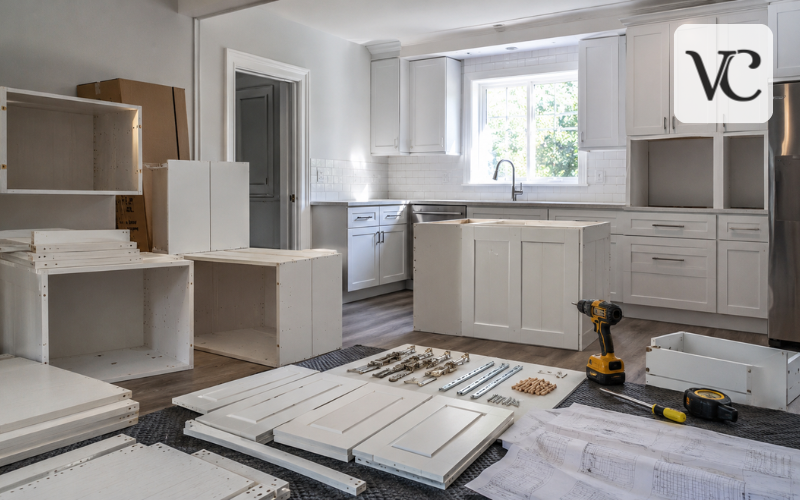
RTA cabinets, short for ready-to-assemble cabinets, are cabinet units shipped in flat boxes and assembled at home or on the job site. Instead of paying a factory to build each cabinet before delivery, the buyer receives the cabinet panels, doors, drawers, shelves, and hardware as separate pieces. Once assembled, the cabinets are installed in much the same way as pre-assembled cabinets.
These cabinets are widely used in kitchens, bathrooms, laundry rooms, home offices, garages, and other storage areas. Their main appeal is simple: they can provide a finished, built-in look at a lower price than many custom or semi-custom options. They are also often available faster because common sizes and styles are kept in stock.
However, not all RTA cabinets offer the same quality. Some use strong plywood boxes, solid wood doors, and durable soft-close hardware, while others rely on thinner panels and basic fittings. Before buying, it is important to compare the cabinet material, construction, hardware, finish, warranty, delivery terms, and total installation cost. A low advertised price may not be a good deal if the cabinets are difficult to assemble or need costly replacement parts.
RTA Cabinets Quick Guide
| Feature | What to Look For |
| Cabinet box | 1/2-inch to 3/4-inch plywood for better strength |
| Doors and frames | Solid wood or durable MDF with a sealed finish |
| Drawers | Dovetail joints and full-extension glides |
| Hinges | Adjustable soft-close hinges |
| Assembly system | Strong screws, metal brackets, or interlocking joints |
| Finish | Smooth, even, scratch-resistant, and moisture-resistant |
| Buying method | Online supplier, local showroom, or wholesale dealer |
| Installation | DIY assembly or professional installation |
| Warranty | Clear coverage for defects, damage, and replacement parts |
Steps for Choosing RTA Cabinets
- Measure the room carefully
Record wall lengths, ceiling height, doors, windows, plumbing, appliances, outlets, and any uneven areas. - Choose the right cabinet material
Compare plywood, particleboard, and MDF construction. Plywood boxes usually provide better strength and moisture resistance. - Check the hardware and drawer quality
Look for soft-close hinges, full-extension drawer glides, strong fasteners, and dovetail drawer joints. - Compare the total project cost
Include cabinets, shipping, trim, fillers, handles, tools, assembly, and installation—not only the advertised cabinet price. - Read customer reviews carefully
Look for repeated comments about delivery damage, missing parts, finish quality, assembly difficulty, and customer service. - Review the warranty and return policy
Confirm how the seller handles damaged pieces, missing hardware, incorrect items, and replacement parts. - Inspect every box after delivery
Report damage quickly and keep the packaging until all cabinets and accessories have been checked. - How RTA Cabinets Work From Ordering to Installation
How RTA Cabinets Work From Ordering to Installation
The process usually begins with measuring the room and creating a cabinet layout. Buyers then choose cabinet sizes, door styles, finishes, and accessories. Most suppliers use standard cabinet dimensions, which makes it easier to combine base cabinets, wall cabinets, pantry units, and specialty storage pieces.
After the order is placed, each cabinet is packed flat to reduce the amount of space it takes during storage and shipping. A typical box may include side panels, a back panel, a bottom panel, shelves, a face frame or front rails, doors, drawer parts, hinges, glides, screws, clips, and assembly instructions. Some decorative parts, such as crown molding, toe kicks, fillers, and end panels, may be sold separately.
Assembly and installation are two different stages. Assembly means putting each cabinet box together and attaching doors, drawers, and hardware. Installation means securing the finished cabinet boxes to wall studs, leveling them, joining neighboring cabinets, and preparing them for countertops and appliances.
Pre-assembled cabinets arrive already built, which saves time at the job site but usually increases shipping and labor costs. RTA cabinets require more work after delivery, but they give homeowners and contractors more control over the schedule and budget.
RTA Cabinet Costs and Where the Savings Come From
RTA cabinets usually cost less because the manufacturer does not spend as much time assembling each unit. Flat packaging also allows more boxes to fit into a truck or warehouse, which can reduce freight and storage expenses. These savings are often passed on to the buyer.
In general, stock RTA cabinets are among the more affordable options. Pre-assembled stock cabinets may use similar materials but include factory labor and higher shipping costs. Semi-custom cabinets offer more size, finish, and storage choices, while fully custom cabinets are built for a specific room and usually cost much more.
The final price depends on several details. Larger cabinets, specialty corner units, tall pantry cabinets, decorative finishes, plywood upgrades, premium drawer systems, and custom accessories can increase the cost. Shipping may also be significant, especially for a large kitchen order or a home outside the seller’s normal delivery area.
Buyers should also plan for expenses beyond the cabinet boxes. These may include tools, extra screws, glue, fillers, trim, toe kicks, side panels, crown molding, handles, delivery fees, assembly labor, installation labor, and repairs to walls or flooring. Comparing complete project costs gives a more accurate picture than comparing cabinet prices alone.
Materials and Construction Quality to Look For
The cabinet box is one of the most important parts of an RTA cabinet. Plywood is often preferred because it is strong, holds screws well, and usually handles moisture better than basic particleboard. Cabinet-grade plywood between about one-half inch and three-quarters inch thick can provide good support when properly designed.
Particleboard can still work in dry areas when it has a durable surface and strong edge protection, but it may swell if water reaches the core. Medium-density fiberboard, commonly called MDF, has a smooth surface and is often used for painted doors because it provides an even finish. However, it is heavy and must be protected from moisture.
Solid hardwood is valuable in face frames, door rails, door stiles, and drawer fronts because it holds hinges and fasteners securely. Still, “solid wood” does not automatically mean the entire cabinet is solid wood. Many well-built cabinets combine plywood boxes with solid wood fronts and engineered panels where stability is useful.
Check the thickness of side panels, shelves, and back panels. Thin shelves may bend under heavy dishes, while weak backs can make installation more difficult. The finish should feel even and sealed, with no rough edges, peeling corners, cloudy spots, or exposed material. A durable coating should resist stains, light scratches, and normal kitchen cleaning.
Hardware and Joinery That Make RTA Cabinets Stronger
Good hardware improves both the feel and lifespan of RTA cabinets. Soft-close hinges prevent doors from slamming, while full-extension drawer glides allow the drawer to open far enough for easy access to items at the back. Undermount glides create a cleaner appearance and are protected beneath the drawer.
Dovetail drawer joints are a useful sign of stronger construction. Their interlocking shape helps the drawer sides resist pulling apart under repeated use. Stapled or lightly pinned drawers may be less durable, especially when they are wide or expected to hold heavy cookware.
RTA cabinets use several assembly methods. Some rely on screws and pre-drilled holes, while others use metal clips, cam locks, brackets, or interlocking panel systems. Screws can create a strong connection when the material is thick enough to hold them. Cam locks are quick and simple but should fit tightly without damaging the panel. Metal brackets can add strength, while interlocking systems may help keep the cabinet square during assembly.
Warning signs include loose hinges, thin drawer glides, poorly aligned holes, weak plastic connectors, and panels that move after assembly. Hardware should sit firmly, and doors and drawers should operate smoothly without rubbing or sagging.
Popular RTA Cabinet Styles and Finishes
Shaker cabinets remain one of the most flexible RTA cabinet styles. Their doors have a simple frame with a recessed center panel, creating a clean look that works in traditional, transitional, farmhouse, and modern spaces. White Shaker cabinets are common, but the same style is also available in wood tones, gray, green, navy, and other finishes.
Slab or flat-panel doors have a smooth, simple face without a raised or recessed center. They suit modern, contemporary, and European-inspired interiors. Their plain surface is also easy to wipe clean, although fingerprints may be more noticeable on dark or glossy finishes.
Raised-panel doors have more detailed profiles and a deeper center section. They often suit formal or traditional kitchens, especially when paired with decorative molding, warm wood stains, or antique-style hardware.
Finish choice affects how the room feels. White can make a small kitchen look brighter, natural wood adds warmth, gray creates a soft neutral base, and blue can add color without feeling too bold. Two-tone designs, such as white upper cabinets with a dark island, can add contrast while keeping the room balanced.
Choosing the Best RTA Cabinets for Your Space
The best RTA cabinets are not simply the most expensive ones. They are the cabinets that fit the room, support daily use, and match the homeowner’s budget and style.
For kitchens, durability and storage are especially important. Strong drawer boxes, full-extension glides, adjustable shelves, pantry cabinets, and pull-out organizers can make daily tasks easier. Bathrooms need finishes and materials that can handle humidity and occasional splashes. Laundry rooms benefit from practical, easy-to-clean cabinets, while home offices may need file drawers, open shelves, or hidden storage.
Room size and ceiling height also matter. Tall wall cabinets can increase storage in a small kitchen, while shorter cabinets may be easier to use in rooms with low ceilings or unusual angles. Corner cabinets should be planned carefully because they can create wasted space without a suitable shelf system or pull-out organizer.
Before choosing a brand, compare cabinet-box material, panel thickness, drawer construction, hinge quality, finish coverage, available sizes, replacement-part support, warranty terms, and delivery policies. A sample door can also help buyers judge the color, finish, edge quality, and overall appearance before placing a large order.
RTA Cabinets Online, Near Me, and Wholesale Buying Options
Buying RTA cabinets online gives shoppers access to a wide range of styles, sizes, and price points. Online sellers often provide design tools, layout support, sample doors, and detailed product specifications. The main challenge is that buyers cannot inspect the complete cabinet before ordering.
Searching for “RTA cabinets near me” can lead to local cabinet dealers, warehouses, kitchen showrooms, and remodeling suppliers. Local sellers may offer display models, faster pickup, easier returns, and personal design help. They may also provide assembly or installation services for an additional fee.
RTA cabinets wholesale can be useful for contractors, property investors, and homeowners buying a large number of cabinets. Wholesale pricing may lower the cost per unit, but minimum order amounts, limited finish choices, and stricter return rules can apply. Some sellers use the word “wholesale” as a marketing term, so the buyer should still compare the actual price and specifications.
Before ordering, confirm shipping charges, delivery time, service area, damage policies, local pickup options, and whether the carrier provides curbside or indoor delivery. Large cabinet orders may arrive on pallets, so buyers need a clear place to receive and inspect them.
Home Depot, Lowe’s, and Specialty RTA Cabinet Sellers
Major home-improvement stores can be convenient for shoppers who want local pickup, in-person assistance, or easy access to common cabinet sizes. RTA cabinets from Home Depot or RTA cabinets from Lowe’s may suit small kitchens, rental properties, laundry rooms, and quick remodeling projects where convenience matters.
Specialty online sellers may provide a wider range of door styles, matching trim, cabinet accessories, and kitchen design support. Some focus on higher-grade plywood construction, premium finishes, or larger collections that make it easier to create a complete kitchen.
The best choice depends on the project. A major retailer may be helpful when the buyer needs a replacement quickly or wants a familiar return process. A specialty seller may be better when the project requires a coordinated design, more cabinet sizes, or detailed material information.
Retailer name alone does not prove quality. Two cabinets sold by the same store can have very different box materials, drawer systems, finishes, and warranties. Always compare the actual product specifications rather than assuming every cabinet from a well-known seller is built to the same standard.
What RTA Cabinet Reviews and Reddit Discussions Can Reveal
RTA cabinet reviews can provide useful information that product descriptions often leave out. Buyers may describe how well the boxes were packed, whether parts arrived damaged, how clear the instructions were, and whether doors and drawers stayed aligned after installation.
RTA cabinets Reddit discussions can also offer practical advice from homeowners, contractors, and do-it-yourself remodelers. These conversations may reveal assembly tips, brand-specific problems, delivery experiences, or hidden costs. However, anonymous comments should be treated as personal experiences rather than confirmed facts.
A helpful review usually includes details such as the cabinet line, purchase date, room size, assembly method, and specific problem or benefit. Reviews that are extremely vague, overly promotional, or nearly identical to other comments may be less reliable.
Look for repeated patterns. One complaint about a damaged door may be an isolated shipping issue, but many reports of chipped finishes, missing hardware, or slow replacement service may point to a larger problem. Positive patterns matter too, especially when several buyers mention accurate measurements, good packaging, and responsive support.
Measuring and Planning Before You Order
Accurate measurements are essential because even a small mistake can affect the entire cabinet layout. Measure each wall from corner to corner and record the position of doors, windows, outlets, vents, plumbing lines, and gas connections. Also note ceiling height and any areas where the floor or wall is uneven.
Appliance dimensions must be confirmed before ordering. Refrigerators, ranges, dishwashers, sinks, microwaves, and ventilation hoods need enough space for installation, doors, handles, and airflow. Do not rely only on the appliance’s general width; check the manufacturer’s clearance requirements.
A complete plan should also include fillers, end panels, toe kicks, crown molding, light rails, and countertop overhangs. Fillers allow doors and drawers to open near walls, while finished end panels cover exposed cabinet sides.
Create a detailed layout before placing the order, and check it more than once. When possible, ask the supplier or installer to review the measurements. Incorrect sizes can lead to return fees, delayed work, unused cabinets, and expensive changes after installation has started.
DIY Assembly Versus Professional Installation
DIY assembly can save money, but it requires time, patience, a flat workspace, and basic tools. Common tools include a drill or screwdriver, clamps, a level, a tape measure, a rubber mallet, and a square. Some cabinets may also need wood glue, although buyers should follow the manufacturer’s instructions.
The main goal during assembly is to keep every cabinet box square. When the box is twisted or uneven, the doors may not align and the drawers may not slide correctly. Assemble cabinets on a clean, padded surface, tighten fasteners evenly, and check the corners before attaching the back panel.
Professional help may be worth the cost for large kitchens, complex layouts, uneven walls, heavy pantry units, or projects involving plumbing and electrical work. A professional installer can also secure cabinets properly, create level cabinet runs, and make accurate cuts for fillers and trim.
Common DIY mistakes include overtightening screws, installing panels backward, damaging finished surfaces, skipping wall studs, and failing to level neighboring cabinets. Taking time during assembly usually produces a better result than trying to finish every box quickly.
RTA Cabinet Pros, Cons, and Common Problems
The main advantages of RTA cabinets are lower prices, broad style selection, faster availability, and more control over assembly. They can be a strong choice for homeowners who want a new kitchen or storage area without paying custom-cabinet prices.
The disadvantages are mainly related to labor and quality differences. Every cabinet must be assembled, and a full kitchen can take considerable time. Flat-packed boxes can also be damaged during shipping, and some product lines offer limited size or finish choices.
Common problems include missing screws, chipped door edges, cracked panels, uneven drawer fronts, weak glides, and color differences between batches. Some issues are easy to fix with replacement parts, while others can delay the whole installation.
Risk can be reduced by ordering samples, checking the warranty, reading the damage policy, inspecting every box soon after delivery, and keeping all packaging until the order is confirmed complete. It is also wise to order matching trim and extra touch-up material with the original purchase because finishes may change or become unavailable later.
Conclusion
RTA cabinets are often a practical choice for homeowners, landlords, remodelers, and contractors who want to control costs without giving up a built-in cabinet look. They are especially suitable for people who are comfortable with assembly or willing to hire someone for that part of the project.
The best results come from comparing more than appearance and price. Cabinet-box material, panel thickness, drawer joints, hinges, glides, finish quality, warranty support, reviews, shipping charges, and installation needs all affect long-term value.
Careful measuring and supplier research are just as important as choosing a style. A well-planned order can save time and money, while rushed decisions may lead to wrong sizes, missing pieces, or unexpected labor costs.
RTA cabinets are not automatically better or worse than pre-assembled cabinets. Their value depends on construction quality, correct planning, and proper installation. For the right project, they can offer a useful balance of affordability, flexibility, and lasting performance.
FAQs
Are RTA cabinets good quality?
RTA cabinets can be high quality when they include plywood boxes, solid wood frames, dovetail drawers, soft-close hardware, and durable finishes. Quality varies widely, so buyers should compare specifications carefully.
Are RTA cabinets cheaper than pre-assembled cabinets?
RTA cabinets are often cheaper because the manufacturer saves on assembly labor, warehouse space, and shipping volume. However, assembly tools, delivery, trim, and professional installation can increase the final project cost.
Can beginners assemble RTA cabinets?
Many beginners can assemble basic RTA cabinets by following the instructions and using common tools. Large kitchens, uneven walls, and complex layouts may still require help from an experienced installer.
How long do RTA cabinets last?
Well-built RTA cabinets can last many years when assembled correctly, installed securely, and protected from moisture. Their lifespan depends mainly on box material, hardware quality, finish durability, and daily use.
Should I buy RTA cabinets online or locally?
Online sellers often provide more styles and competitive prices, while local suppliers offer easier inspection, pickup, and personal support. Compare samples, shipping costs, warranties, and return policies before choosing.
Disclaimer: This article provides general information about selecting, buying, assembling, and installing RTA cabinets. Cabinet materials, dimensions, prices, warranties, and installation requirements vary by manufacturer and seller. Always review the product specifications, measure the room carefully, and follow the manufacturer’s assembly instructions. Consider hiring a qualified installer for complex layouts or work involving plumbing, electrical systems, heavy cabinets, or structural changes.
Enjoyed this article? Discover more helpful ideas and fresh inspiration on Vogue Cultures.