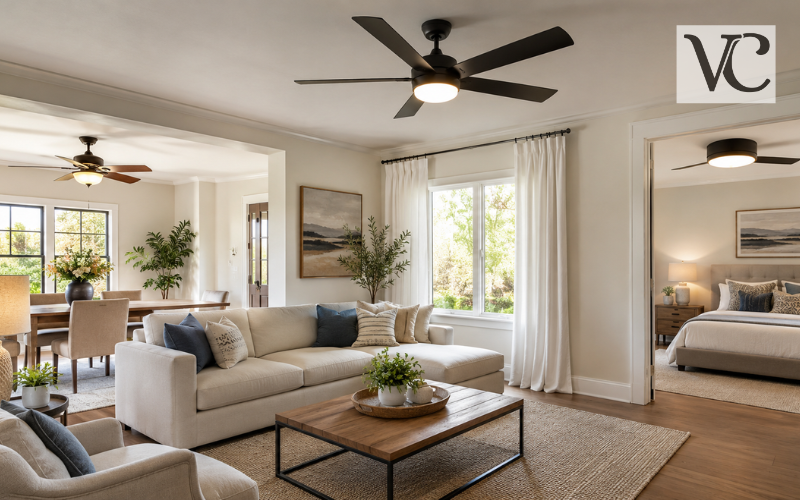
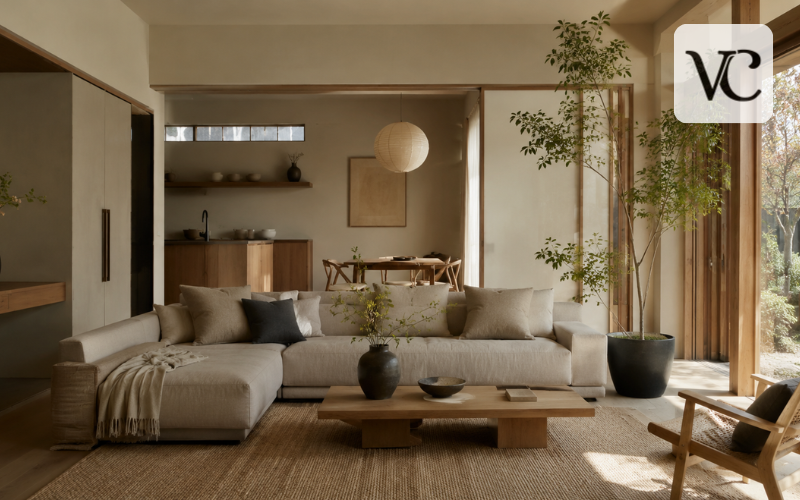
Japandi interior design brings together two traditions that value calm, simplicity, and a close connection with nature. It combines the thoughtful look of Japanese interiors with the warmth and comfort often found in Scandinavian homes. The result is a space that feels peaceful without looking empty and practical without feeling cold.
This style is built around a simple idea: a home should contain what you truly need, use, or enjoy. Furniture is chosen for comfort and purpose. Natural materials add warmth, while open space helps each room breathe. Instead of filling surfaces with decoration, Japandi rooms use a smaller number of meaningful objects.
In this guide, you will learn where Japandi style comes from, which colors and materials suit it, and how to apply it in living rooms, bedrooms, kitchens, small apartments, and home offices. You will also learn how to choose furniture, lighting, plants, and décor without losing the balance that defines the style.
Japandi Interior Design Quick Guide
| Design Element | Japandi Approach | Practical Tip |
| Color palette | Warm white, beige, taupe, soft gray, and earth tones | Add charcoal or dark brown for gentle contrast |
| Furniture | Low-profile, simple, durable, and functional | Choose fewer pieces that fit the room properly |
| Materials | Wood, stone, linen, wool, bamboo, and rattan | Repeat a small selection of materials throughout the home |
| Layout | Open, balanced, and free from unnecessary clutter | Maintain clear walking paths and visible floor space |
| Storage | Hidden, built-in, or multifunctional | Use closed cabinets, baskets, and furniture with storage |
| Décor | Handmade, natural, personal, and limited | Display only a few meaningful objects |
| Lighting | Natural daylight and warm layered lighting | Combine ceiling, task, and accent lights |
| Greenery | Simple plants or natural branch arrangements | Select one or two sculptural plants instead of many small pots |
How to Create a Japandi Interior
- Begin by removing unused items and clearing crowded surfaces.
- Select a warm neutral color palette with one or two earthy accent shades.
- Choose simple furniture that is comfortable, durable, and correctly sized.
- Add natural materials such as wood, linen, stone, wool, or rattan.
- Improve storage so everyday belongings remain organized and mostly out of sight.
- Finish the room with warm lighting, greenery, and a few meaningful handmade objects.
The Meaning and Origins of Japandi Style
The word “Japandi” combines “Japanese” and “Scandi,” a short form of Scandinavian. Although the name is modern, the relationship between Japanese and Danish design goes back much further. Design writers have linked the connection to the nineteenth century, when Danish designers became interested in Japanese craftsmanship, simplicity, and respect for natural materials.
Japanese influence appears through ideas such as Zen, ma, and wabi-sabi. Zen encourages calm and careful attention. Ma refers to the value of open space, while wabi-sabi finds beauty in age, imperfection, and natural change. A handmade bowl with an uneven edge or a wooden table with visible grain can feel more suitable than something perfectly polished.
The Scandinavian side brings hygge, which is linked with comfort, warmth, and a welcoming atmosphere. Soft fabrics, gentle lighting, practical furniture, and simple daily pleasures support this feeling.
These traditions work well together because both value quality, nature, and restraint. However, Japandi is not the same as plain minimalism. Minimalism may focus mainly on removing objects. Japandi also considers how a room feels, adding texture, warmth, craftsmanship, and signs of real life.
Core Principles That Define Japandi Interiors
Purpose is central to Japandi interior design. Every piece does not need to be strictly practical, but it should earn its place. A chair may provide comfort, a vase may hold branches, and a painting may create an emotional connection. The goal is not to own as little as possible. It is to avoid keeping items that create clutter without adding value.
Negative space is equally important. Empty areas around furniture help the eye rest and make individual pieces easier to appreciate. This does not mean leaving rooms unfinished. It means allowing enough breathing room between a sofa, table, lamp, and storage unit.
Function and beauty often appear in the same object. A woven basket can hide blankets while adding texture. A wooden bench can offer seating and a place to set down a bag. Closed cabinets keep daily items nearby without leaving them in view.
Japandi interiors also favor lasting quality over fast trends. Well-made furniture, repairable materials, and timeless shapes usually fit better than cheap pieces bought only for appearance.
Building a Warm Japandi Color Palette
A Japandi color palette usually begins with warm neutrals. Cream, warm white, sand, beige, taupe, and soft gray create a calm background. These shades reflect light gently and work well with natural wood, stone, linen, and handmade accessories.
Earthy colors keep the room from becoming dull. Muted terracotta, clay, olive, moss, warm brown, and dusty green can appear through cushions, rugs, ceramics, or a painted wall. These shades should feel connected to nature rather than bright or highly saturated.
Darker accents add structure. Charcoal, deep brown, and soft black can be used on chair frames, lamps, cabinet handles, or small tables. A little contrast helps define clean lines and prevents a pale room from looking washed out.
To avoid a cold or flat neutral room, vary tone and texture. Pair a creamy wall with a beige wool rug, medium-toned wood, linen curtains, and a clay vase. Even when the colors are similar, the different surfaces create depth. Warm lighting also makes a major difference in the evening.
Natural Materials and Organic Textures
Natural materials give Japandi rooms warmth and character. Wood is often the main feature, including oak, ash, pine, walnut, and other finishes with visible grain. Light woods can make a room feel open and Scandinavian, while darker woods bring a more grounded Japanese influence.
Bamboo, stone, linen, wool, cotton, jute, and rattan add variety without making the room busy. A linen sofa, wool throw, stone side table, and rattan basket can create a rich but controlled mix. Handmade clay pottery and woven pieces introduce small differences in shape and surface.
Japandi style does not require everything to look new. Weathered wood, slightly uneven plaster, natural knots, and softly aged finishes can support the wabi-sabi idea that beauty does not depend on perfection.
The key is restraint. Too many materials can weaken the calm effect. Choose a small group and repeat them throughout the home. For example, the same oak tone may appear in a table, shelf, and bedroom bench, while linen repeats in curtains, bedding, and cushions.
Choosing Japandi Interior Design Furniture
Japandi interior design furniture is usually simple, comfortable, and well proportioned. Low-profile sofas, platform beds, clean-lined dining tables, and compact wooden chairs create a grounded feeling. Rounded corners or gently curved backs can soften straight lines and make a room more welcoming.
Solid wood and natural upholstery are common choices, but the material should also suit daily life. A family with children or pets may need a durable, washable fabric instead of delicate untreated linen. Practical decisions support the style because Japandi values function as much as appearance.
Multifunctional furniture is useful, especially in smaller homes. A bench with hidden storage, a nesting table, a bed with drawers, or a cabinet that doubles as a room divider can reduce clutter.
Scale matters more than buying a particular brand. Large furniture can overwhelm a small room, while many tiny pieces can make it feel crowded. Measure the space, keep clear walking paths, and leave visible floor area.
Japandi Interior Design for the Living Room
A Japandi interior design living room should feel calm enough for rest but practical enough for daily use. Begin with the main seating. A low sofa in beige, warm gray, oatmeal, or muted brown creates a strong base. Add a simple wooden coffee table and only the chairs or side tables the room genuinely needs.
Arrange furniture to support conversation and movement. Avoid adding extra pieces simply to fill empty corners. Clear walking paths make the space easier to use and protect its open feeling.
Soft textiles add Scandinavian comfort. A wool rug, linen cushions, and a lightweight throw can make the room inviting without introducing too much pattern. Look for subtle weaves or small changes in tone rather than bold prints.
Décor should be limited but not lifeless. A handmade vase, one meaningful artwork, a sculptural lamp, or a healthy plant may be enough. Current design coverage in 2026 continues to favor warm, organic, layered interiors rather than strict, bare minimalism, supporting a softer approach to Japandi rooms.
Creating a Calm Japandi Bedroom
The bedroom is a natural place for Japandi style because the design encourages rest and reduced visual noise. Start with cream, warm white, beige, taupe, or pale brown. Natural wood can appear through the bed frame, bedside tables, flooring, or a simple bench.
A low platform bed creates the grounded look often linked with Japanese interiors, but it is not essential. A standard bed can still suit the style when it has a simple shape. Linen or cotton bedding in layered neutrals adds comfort and texture.
Storage should keep clothing and personal items easy to reach but mostly out of sight. Built-in wardrobes, plain dressers, under-bed drawers, and simple baskets can help. Bedside surfaces should remain useful rather than heavily styled.
Keep decoration personal and limited. A ceramic lamp, framed print, woven wall piece, or branch in a vase can provide character. The aim is a peaceful room that supports real habits, not a staged space that is difficult to maintain.
Designing a Functional Japandi Kitchen
A Japandi interior design kitchen combines clean surfaces with practical storage. Flush cabinet fronts, simple handles, and integrated appliances can reduce visual clutter. However, the kitchen should not become so minimal that everyday cooking feels inconvenient.
Natural wood cabinets bring warmth, while stone, quartz, or marble-look counters offer a clean and durable work surface. These materials can be balanced with soft wall colors and small dark details, such as taps, handles, or light fittings. Recent kitchen design guidance also continues to emphasize natural materials, clean lines, tonal balance, and function.
Plan storage around how the kitchen is used. Keep frequently used tools close to the preparation area, group pantry items, and store small appliances when they are not needed. A clear counter looks calm, but useful items should remain easy to reach.
Open shelves can display a few everyday ceramics, glasses, or wooden boards. Too much open storage may create dust and visual noise, so use it with care. Warm lighting can soften hard surfaces and make the kitchen feel welcoming.
Japandi Interior Design for a Small Apartment
Japandi interior design is useful in a small apartment because it focuses on space, function, and careful selection. Choose furniture that fits the room rather than copying the scale shown in large inspiration photos. A compact sofa, narrow dining table, and shallow storage unit may work better than oversized statement pieces.
Furniture with more than one purpose can reduce the number of objects needed. Consider an ottoman with storage, a folding desk, a bed with drawers, or a dining bench that slides under the table. Open-legged furniture also allows more floor to remain visible.
Use a consistent palette across connected rooms. Repeating the same wood tone, wall color, and fabric family creates visual continuity. This is especially helpful in studios and open-plan apartments where several functions share one space.
Keep natural light as open as possible. Use light curtains, avoid blocking windows, and place mirrors where they reflect daylight rather than clutter. A small apartment can still have negative space when storage is planned carefully.
Creating a Focused Japandi Home Office
A Japandi interior design office should support concentration while still feeling comfortable. Choose a desk with a clean surface and enough room for the work you actually do. Natural wood is a strong choice, but a simple neutral desk can also work when paired with warm materials.
The chair should be selected for support before appearance. An ergonomic chair with a restrained shape and neutral finish can blend into the room without sacrificing comfort.
Cable management is important because loose wires quickly disturb a simple space. Use clips, trays, cable boxes, or a desk with built-in openings. Store stationery, chargers, papers, and devices in drawers or closed cabinets, while keeping essential tools easy to access.
Use daylight where possible and add a focused desk lamp for darker hours. One plant, a ceramic cup, or a small artwork can make the office feel human. A successful Japandi office reduces distraction and supports comfortable daily work.
Lighting, Greenery, and Minimal Japandi Décor
Lighting shapes the mood of a Japandi home. Begin with daylight, then add layers for different needs. Ceiling lights provide general brightness, floor or table lamps create a softer evening glow, and task lights support reading, cooking, or working.
Fixtures made from paper, linen, ceramic, glass, or wood fit naturally into the style. Their shapes are often simple, but they may include gentle curves or handmade details. Warm bulbs usually work better than harsh, cool light because they bring out the richness of wood and neutral colors.
Greenery provides color and a direct connection with nature. Choose a few plants with clear shapes rather than placing many small pots around the room. A tall indoor tree, trailing plant, or simple branch arrangement can be enough.
Décor can include asymmetrical arrangements, handmade pottery, woven art, and objects that show age or craft. Leave space around each piece so it can be noticed. Japandi decoration is about giving selected objects room to matter.
Turning Japandi Interior Design Ideas into a Cohesive Home
Japandi interior design ideas are easy to find on Pinterest, but inspiration should not become direct copying. Many photographed interiors are staged, unusually large, or designed for a different climate and lifestyle. Use images to identify colors, shapes, and materials, then adjust them to your own home.
A mood board can help keep decisions connected. Include the existing flooring, wall color, wood samples, fabric textures, furniture shapes, and a few reference rooms. Look for repeated features instead of trying to combine every image you like.
Begin with decluttering and layout before buying décor. Remove items that no longer serve the room, improve storage, and decide which larger furniture pieces should stay. Once the room works properly, add lighting, textiles, plants, and accessories slowly.
Common mistakes include using too much beige without contrast, choosing uncomfortable furniture for its appearance, and making rooms so empty that they feel unfinished. A cohesive home develops through consistent materials, balanced proportions, and thoughtful choices, not through labels or expensive purchases.
Conclusion
Japandi interior design balances Japanese simplicity with Scandinavian warmth to create rooms that feel calm, natural, and useful. Its strength comes from thoughtful layouts, warm neutral colors, honest materials, comfortable furniture, and enough open space for the home to breathe.
A successful Japandi interior does not depend on a large budget or a complete renovation. Decluttering, improving storage, changing the lighting, and choosing a few durable pieces can have a meaningful effect. The style works best when it supports everyday routines rather than forcing people to live inside a perfect-looking display.
By focusing on comfort, craftsmanship, nature, and purpose, you can create a home that feels peaceful without losing personality. The final result should reflect the people who live there, the way they use each room, and the kind of calm they want to experience every day.
Frequently Asked Questions
Is Japandi interior design the same as minimalism?
Japandi shares minimalism’s preference for uncluttered rooms, but it feels warmer and more natural. It adds comfortable fabrics, handcrafted objects, organic textures, and visible imperfections instead of creating a completely bare interior.
What colors are commonly used in Japandi interiors?
Japandi interiors usually feature cream, warm white, beige, taupe, sand, soft gray, and natural wood. Muted green, terracotta, brown, charcoal, and black may be added for depth and contrast.
Can Japandi interior design work in a small apartment?
Yes. Japandi works well in small apartments because it encourages compact furniture, hidden storage, clear walking paths, and fewer unnecessary objects. A consistent palette can also make connected spaces feel larger.
Is Japandi furniture expensive?
Japandi furniture does not have to be expensive. Focus on simple shapes, suitable proportions, durable materials, and practical functions. Secondhand wooden furniture can also work well after careful cleaning or refinishing.
How can I stop a Japandi room from looking boring?
Combine different natural textures, wood tones, handmade ceramics, soft fabrics, plants, and dark accents. These details add warmth and character while preserving the clean, peaceful appearance associated with Japandi interior design.
Disclaimer: This article provides general interior design ideas for inspiration and educational purposes. The suitability of furniture, materials, lighting, and room layouts may depend on your available space, budget, climate, household needs, and property condition. Measure rooms carefully and consult a qualified professional before making structural, electrical, plumbing, or major renovation changes.
Enjoyed this article? Discover more helpful ideas and fresh inspiration on Vogue Cultures.