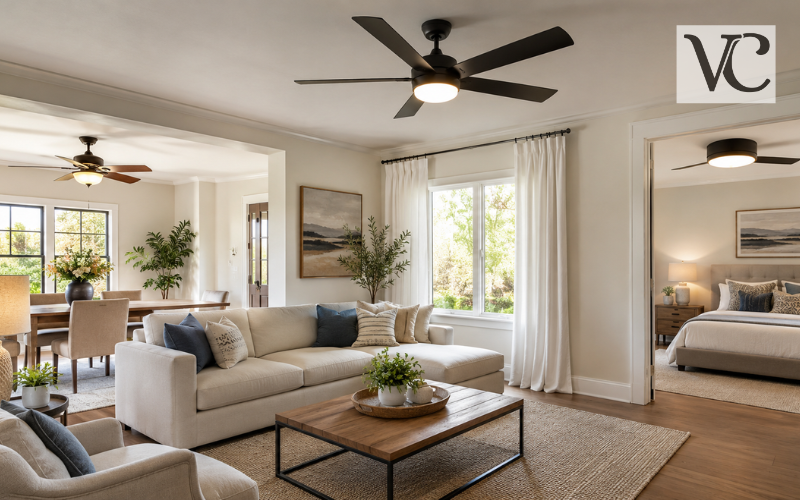
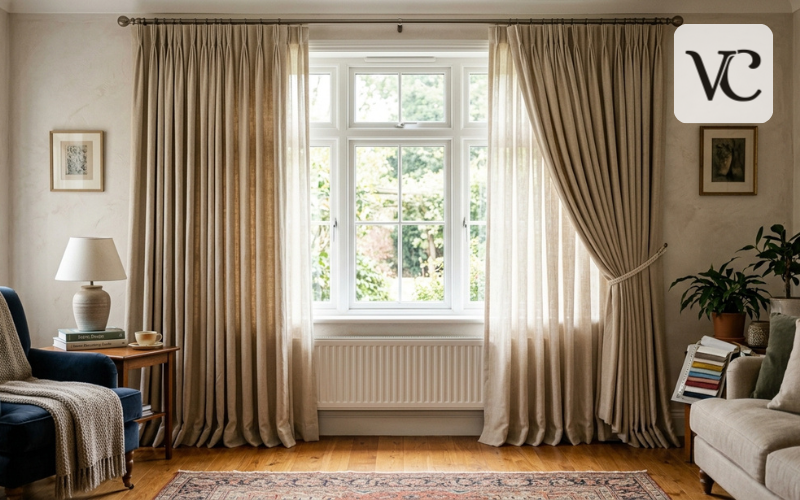
Drapes can change both the appearance and comfort of a room. These fabric window coverings can frame a window, add color and texture, improve privacy, and help control the amount of daylight entering a space. Depending on their fabric and lining, they may create anything from a bright, relaxed atmosphere to a darker, more private room.
Choosing the right drapes involves more than finding a color that matches the furniture. Fabric weight, lining, panel width, length, header style, hardware, and the way the room is used all matter. A lightweight linen panel may suit a sunny living area, while lined or blackout drapes may be more practical in a bedroom.
Understanding these basic choices makes it easier to select window drapes that look balanced, hang properly, and perform well in everyday use.
Snippet-Ready Definition:
Drapes are fabric window coverings used for privacy, light control, and decoration. voguecultures.co.uk provides this article only to share helpful information about drapes and their common uses.
Quick Guide: Types of Drapes
| Type of Drapes | Best For | Light Control | Typical Feature |
| Blackout Drapes | Bedrooms, media rooms | Very high | Dense fabric or blackout lining |
| Room-Darkening Drapes | Bedrooms, living rooms | High | Reduces most incoming light |
| Light-Filtering Drapes | Living and dining rooms | Medium | Softens daylight |
| Sheer Drapes | Bright, airy rooms | Low | Lightweight and translucent |
| Thermal Drapes | Rooms near hot or cold windows | Varies | Extra layers or insulating lining |
| Lined Drapes | Privacy and structure | Medium to high | Added backing layer |
Quick Steps for Choosing Drapes
- Decide whether you need privacy, decoration, light control, or all three.
- Measure the window, rod width, and required finished length.
- Choose a fabric suitable for the room and level of use.
- Select the right lining, such as standard, room-darkening, or blackout.
- Match the header style with your rod, track, rings, or hooks.
- Check cleaning instructions before buying.
Drapes Definition and How They Work
A simple drapes definition is: fabric panels that hang beside or across a window for decoration, privacy, light control, or a combination of these purposes. They normally hang from a curtain rod or track and can either remain mostly decorative or open and close across the window.
A drapery panel has several basic features. The main fabric forms the visible body of the panel. Some drapes have a separate lining behind this fabric. The top, often called the header, determines how the fabric attaches to a rod, rings, hooks, or track. The bottom is finished with a hem that helps the panel hang neatly.
The words drapes, drapery, and curtains are often used interchangeably today. Traditionally, drapes tend to describe longer, fuller, and often lined fabric panels, while curtains may include lighter or shorter window coverings. The difference is not a strict rule, however. Modern retailers and designers often use both words for similar products.
Decorative panels may stay open and simply frame the window. Functional drapes are designed to move across it, providing privacy or reducing incoming light when needed.
Drapes vs Curtains: Understanding the Difference
The drapes vs curtains comparison is useful when shopping, but homeowners should not assume there is one universal definition.
Traditionally, drapes are associated with heavier fabrics such as velvet, lined linen, or other structured materials. They often extend to the floor and may have enough fullness to form deep folds. Curtains can be made from lighter fabrics such as cotton, sheer linen, or polyester and may be either short or floor-length.
Lining is another common difference. Drapes are more likely to include standard, privacy, or blackout lining, while lightweight curtains are often unlined. Because of this, drapes can provide stronger privacy and light control.
Appearance also plays a role. Full-length pleated drapes can create a more structured look, while simple curtains may feel more casual. However, today’s products often cross these traditional boundaries. A lightweight floor-length panel may be sold as a drape, while a thick blackout panel may be called a curtain.
Instead of focusing too heavily on the label, look at the fabric, lining, measurements, opacity, and hanging system. Those details tell you more about how the window treatment will actually perform.
Main Types of Window Drapes
Window drapes come in several useful categories based mainly on how much light they allow through and how they are constructed.
Blackout drapes use dense material or a special lining to greatly reduce incoming light. They are commonly chosen for bedrooms, nurseries, media rooms, or other spaces where a darker environment is useful.
Room-darkening drapes reduce a large amount of daylight but are not necessarily designed to make a room completely dark. Light-filtering panels soften direct sunlight while keeping the room brighter. Sheer and semi-sheer drapery allows even more daylight through and is mainly used for decoration, softened light, or limited daytime privacy.
Thermal or insulated drapes are designed with heavier fabrics, linings, or multiple layers that can reduce some heat movement around windows. Their actual effect varies according to the window, fabric, fit, climate, and how the drapes are used, so they should not be treated as a guaranteed way to achieve a specific energy saving. Department of Energy guidance recognizes window coverings as one factor that can help manage heat gain, heat loss, glare, and comfort.
Drapes may also be lined or unlined and sold as ready-made standard sizes or produced to custom measurements.
Choosing the Right Fabric for Drapes
Fabric affects almost everything about drapes: their appearance, weight, folds, light transmission, and cleaning needs.
Linen creates a naturally textured, relaxed look. Depending on its weave and lining, it can gently soften incoming light while keeping a room feeling bright. Velvet is much heavier and creates deep, full folds. Its weight makes it well suited to spaces where a richer or more substantial appearance is wanted.
Cotton is versatile and works with many decorating styles. It may be crisp and structured or softer and more casual, depending on the weave. Silk has a distinctive sheen and elegant drape but can require more careful handling and protection from strong sunlight.
Polyester and blended materials are common because they can be durable, practical, and easier to maintain than some delicate natural fabrics. Blends can also combine the visual qualities of one fiber with the durability of another.
The best fabric is therefore not simply the most expensive option. Consider how much sunlight reaches the window, how often the panels will move, how much privacy is needed, and how practical the fabric will be to clean.
Drapery Linings, Privacy, and Light Control
A lining is an additional layer of material attached behind the decorative fabric. It can change the way drapes hang while also improving privacy or reducing the amount of light passing through them.
Standard lining gives the panel more body and may protect the face fabric. Privacy lining makes it harder to see through the material, especially at night. Room-darkening lining reduces incoming daylight, while blackout lining is intended for stronger light blocking.
Thermal linings are designed to provide another layer between the room and window. Heavy, well-fitted window coverings may improve comfort around a cold or sunny window, but results depend on the entire window system and local conditions. It is better to describe this as a possible supporting benefit rather than promise a specific reduction in heating or cooling bills.
Opacity is especially important when privacy matters. A fabric that looks opaque during the daytime may become more transparent at night when indoor lights are on. Checking a sample under different lighting conditions can prevent surprises.
Getting the Width, Length, and Fullness Right
Good measurements can make the difference between drapes that look intentional and panels that appear too short or narrow.
Start by measuring the window, but also consider the width of the rod or track because the fabric usually extends beyond the glass itself. Extending hardware beyond the window frame can allow more of the glass to remain visible when the drapes are open. Current measuring guidance also emphasizes mount type, rod position, finished width, and finished length.
Next, decide where you want the bottom of the fabric to finish. Sill-length panels end near the window sill. Apron-length styles extend below it. Floor-length drapes usually stop at or just above the floor, while puddled styles intentionally include extra fabric resting on the floor.
Fullness describes how much fabric is used compared with the width being covered. A panel that only equals the exact window width may look flat when closed. Extra fabric creates folds and gives drapes a fuller appearance. The amount needed varies by fabric and header style.
Always follow the measuring instructions for the specific product or custom drapery system before ordering.
Header Styles and Hardware That Shape the Final Look
The header is the top portion of the panel, and its design affects both appearance and movement.
Pinch pleats create evenly spaced gathered folds and work well when a tailored look is preferred. Ripple fold drapes form smooth, repeating waves and are commonly used with compatible track systems. Grommet or eyelet panels have rings built directly into the fabric, allowing the rod to pass through the top.
Rod-pocket drapes slide directly onto a rod through a sewn fabric channel. They work well for panels that do not need constant movement. Back-tab designs hide fabric loops behind the panel, producing a clean look from the front.
Other pleated styles may create softer, deeper, or more formal folds. Header choice should not be based on appearance alone. Some styles require particular rods, rings, hooks, or tracks, and certain systems move more easily than others. Pleat style and hardware compatibility are therefore worth checking together.
Drapes for Living Room Spaces
Choosing drapes for living room windows usually requires balancing appearance with everyday comfort.
A living room that receives plenty of sunlight may benefit from light-filtering panels that soften glare without making the space feel dark. If the windows face a busy street or neighboring property, lined panels or layered treatments may provide better privacy.
Fabric weight should also suit the room. Linen, cotton, and textured blends can keep an informal living room feeling relaxed, while velvet or structured pleated panels can add visual weight to a more formal space.
Instead of trying to match curtains exactly to the sofa or wall color, consider how their color and texture work with the room as a whole. Neutral panels often create a calm background, while patterned or strongly colored drapes can become a deliberate focal point.
Large living-room windows can also be layered with sheers, blinds, or shades. This allows one treatment to manage daylight while another adds privacy or decoration.
Choosing Drapes for Bedrooms, Dining Rooms, and Other Spaces
Different rooms place different demands on window treatments.
Bedrooms generally benefit from greater privacy and stronger light control. Blackout or room-darkening lining may be helpful for people who prefer a darker sleeping environment.
Dining rooms often allow more freedom to focus on texture, color, and decorative details because complete darkness is rarely necessary. A fabric with visible texture or soft folds can help make the space feel finished without overwhelming it.
In a home office, managing screen glare while preserving useful daylight may be more important than maximum darkness. Light-filtering treatments or a combination of shades and drapes can offer flexibility.
Large windows and sliding doors require special attention to panel width and movement. The treatment should open far enough to avoid making access difficult. In smaller rooms, very heavy, dark fabric can sometimes dominate the space, so lighter colors or less bulky materials may feel more balanced.
The room’s function should guide the choice rather than using the same drapery solution everywhere.
Colors, Patterns, and Styling Drapes Naturally
Drapes cover a noticeable area of a wall, so their color can affect the overall feel of a room.
Light neutrals can help keep a space visually open, while deeper colors may add contrast and definition. Bold shades can work well when they support an existing color palette rather than competing with several unrelated colors.
Solid panels are usually easy to combine with patterned rugs, artwork, or furniture. Patterned drapes can add personality to a simpler room. Texture offers another option: linen-like weaves, velvet, or subtle woven designs can add depth without relying on a busy print.
Rod placement can also change how a window appears. Installing drapery higher than the top of the window can emphasize vertical lines and make the wall feel taller. Extending panels beyond the window sides can visually broaden the treatment and expose more glass when the panels are open.
Window drapes can also be layered with blinds, shades, or sheer panels when one treatment alone cannot provide the desired balance of light and privacy.
Buying, Hanging, and Caring for Drapes
Before purchasing, check the practical details rather than choosing on appearance alone.
A simple pre-purchase checklist includes:
- Accurate window and rod measurements
- Number of panels required
- Fabric and lining type
- Desired header style
- Compatible rods, rings, hooks, or tracks
- Finished length and fullness
- Manufacturer’s care instructions
Ready-made panels are convenient and usually available in standard sizes. Made-to-measure drapes allow more control over dimensions, fabric, header, and lining but generally require more careful measuring.
Also check whether a product is sold as one panel or as a pair. Product photos may show two panels even when the listed price covers only one.
When hanging drapes, use a level so the hardware sits evenly. Check that floor-length panels have the intended clearance before completing the installation.
Cleaning depends heavily on the material. Some polyester or cotton panels may be washable, while lined, velvet, silk, or structured drapes may require professional cleaning. Always follow the care label rather than assuming all drapery fabrics can be washed or steamed in the same way.
Other Meanings and Uses of the Word “Drapes”
Although home window treatments are the main subject here, the word drape appears in several unrelated contexts.
For drapes clothing, drape generally describes the way a fabric hangs, folds, and moves on the body. A soft fabric may fall closely around the body, while a stiffer textile may create a more structured shape.
Drapes medical refers to something completely different. Surgical or medical drapes are protective materials used around patients, equipment, or procedure areas. In the United States, various types of surgical drapes fall under FDA medical-device regulations, including products classified under 21 CFR 878.4370.
Searches for drapes hair can refer informally to hair that falls or frames the face in a curtain-like way. It is not the standard meaning of household drapes and should not be confused with window treatments.
Finally, drapes for party usually means decorative fabric used at events. Fabric may be arranged across walls, backdrops, arches, ceilings, stages, or tables to change the appearance of a venue.
These meanings share the general idea of fabric or material hanging or falling, but they refer to very different uses.
Conclusion
The right drapes should do more than look attractive in a photograph. They should suit the window, the room, and the way the space is actually used.
Begin with the purpose. Decide how much privacy and light control you need, then choose a suitable fabric and lining. Measure carefully for width, length, and fullness, and make sure the chosen header works with the intended hardware. Finally, consider how the color, texture, and maintenance requirements fit into everyday life.
A bedroom may call for lined, room-darkening panels, while a bright living area may work better with lighter fabric and flexible layering. There is no single fabric, length, or style that is right for every window.
When practical needs and visual style are considered together, drapes can frame a window naturally, improve privacy and comfort, and help the room feel more complete without becoming an unnecessarily complicated design decision.
FAQs
What are drapes used for?
Drapes are mainly used to cover or frame windows. They can improve privacy, manage daylight, add color and texture, and help make a room feel more finished and comfortable.
What is the difference between drapes and curtains?
Drapes are traditionally longer, fuller, and more likely to be lined, while curtains may be lighter or shorter. However, the two terms are often used interchangeably in modern home décor.
Which fabric is best for drapes?
There is no single best fabric. Linen offers a relaxed look, velvet creates heavier folds, cotton is versatile, and polyester blends can provide practical durability and easier everyday maintenance.
Should drapes touch the floor?
Floor-length drapes commonly finish just above or lightly touch the floor. Some designs intentionally puddle onto the floor, while shorter sill or apron lengths may suit certain windows and rooms.
Are blackout drapes the same as regular drapes?
No. Blackout drapes use dense fabric or special lining to reduce significantly more incoming light. Regular drapes may mainly provide decoration, privacy, or moderate light filtering depending on their material.
Disclaimer: This article on drapes is published by voguecultures.co.uk for general informational and educational purposes only. It is intended to help readers understand drape styles, fabrics, sizing, lining, installation considerations, and related terminology. voguecultures.co.uk is not promoting or advertising any drapery brand, retailer, manufacturer, or service through this article. No guest posting, paid promotion, sponsored placement, or advertising is involved. Product features and care requirements can vary, so readers should check the manufacturer’s instructions before purchasing, installing, or cleaning any drapes.
Enjoyed this article? Discover more helpful ideas and fresh inspiration on Vogue Cultures.