
Advertisement Feature
A sudden power outage can interrupt daily activities, shut down essential appliances, and create problems for households that depend on electricity. Solar energy combined with battery storage offers another way to keep important devices running. An off grid hybrid inverter helps manage this arrangement by converting solar power and controlling energy from connected batteries.
However, having solar panels does not automatically mean a home will remain powered during every outage. The inverter must support the required operating mode, and the battery must hold enough stored energy. Understanding these requirements helps homeowners prepare a backup system that suits their needs.
What Happens When the Grid Supply Suddenly Stops?
A power outage changes how a household receives electricity. A standard grid-tied solar inverter usually shuts down during a grid failure. This safety feature prevents electricity from flowing into power lines while utility workers may be repairing them.
An off grid hybrid inverter can operate differently when designed for backup use. It can disconnect from the utility supply and provide power through a separate backup output. The system then relies on available solar generation and stored battery energy to supply connected appliances.
How an Off Grid Hybrid Inverter Handles Backup Power
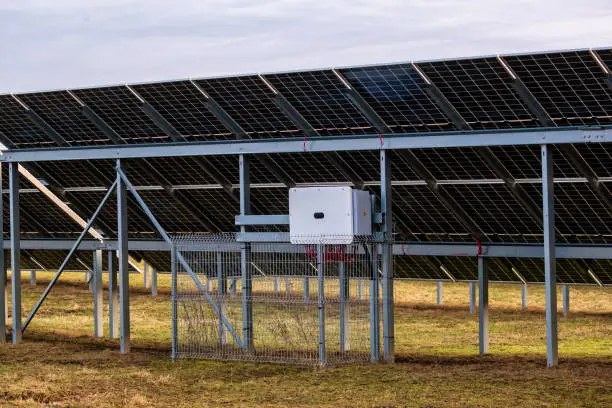
An off grid hybrid inverter coordinates electricity from solar panels, batteries, and other supported power sources. A pure sine wave solar inverter can provide clean AC power for connected appliances and devices, depending on its design and output capacity. Its internal controls determine how energy reaches connected loads, whether by prioritizing solar production, using stored battery power, or accepting electricity from a generator or utility connection.
During an outage, the inverter’s backup function becomes especially important. It must supply the required voltage and frequency while staying within its output limits. Homeowners should check whether their chosen model supports automatic transfer, dedicated backup circuits, and battery operation during grid failures.
The Role of Battery Storage
Solar panels produce electricity when sunlight is available. But outages can happen at night, during storms, or when solar production is low. Batteries store surplus electricity so the system can provide power when panels cannot meet household demand.
Battery capacity affects how long essential appliances can operate. For example, a home running a refrigerator, several LED lights, and a Wi-Fi router will consume less energy than a home using multiple air conditioners. A suitable battery bank should account for appliance consumption, usable battery capacity, and inverter losses.
Managing Solar Power During an Outage
Solar panels can continue producing electricity during a grid failure if the inverter supports independent operation. The system can direct available solar power toward active loads and battery charging. This helps maintain energy availability while sunlight conditions remain suitable.
Cloud cover and shading can reduce solar production. The inverter must balance changing panel output with household demand and battery charging requirements. Properly sized equipment helps prevent the system from exceeding its operating limits.
Why Pure Sine Wave Output Matters for Home Appliances
The quality of an inverter’s AC output affects the devices connected to it. A pure sine wave solar inverter produces an AC waveform that closely resembles the electricity supplied by conventional utility networks. This output is suitable for many household appliances and electronic devices when the voltage and frequency match their requirements.
Equipment with motors, transformers, or sensitive electronic controls may benefit from pure sine wave output. Refrigerators, fans, computers, and some medical equipment can have specific power requirements. Checking the appliance manufacturer’s recommendations remains important because waveform quality alone does not guarantee compatibility.
Choosing the Right Inverter Capacity for Essential Loads
Inverter capacity determines how much power a system can supply at a given moment. A household should calculate the combined running wattage of the appliances it plans to operate during an outage. It should also account for the extra power that certain devices need when starting.
For example, a refrigerator compressor may briefly draw more power during startup than it uses while running. If several appliances start at the same time, their combined demand can exceed the inverter’s rated output. Reviewing continuous output, surge capacity, and load management features helps avoid these problems.
Creating a Practical Backup Appliance List
Not every household appliance needs backup power. Prioritizing essential devices can reduce battery requirements and help a system run longer. A simple list also makes it easier to estimate the inverter’s capacity.
Consider including these items in a backup plan:
- Refrigerators for food storage.
- LED lights for important rooms.
- Wi-Fi routers and communication devices.
- Fans for basic comfort.
- Computers and phone chargers for work and communication.
- Essential equipment that has specific power requirements.
Large appliances such as electric ovens, water heaters, and air conditioners may require substantial power. Homeowners should decide whether these devices need backup support or can remain disconnected during outages.
Battery Runtime Depends on More Than Capacity
A battery’s advertised capacity does not represent the exact amount of electricity available to appliances. Inverter efficiency, battery discharge limits, temperature, and battery condition all affect usable energy. These factors should be included when estimating backup time.
A simple calculation can provide an initial estimate. Divide the battery’s usable energy in watt-hours by the average power consumption of connected appliances. For example, a battery with 4,000 Wh of usable energy supplying a steady 500 W load could provide around eight hours of power before accounting for additional losses.
Preparing Your Solar System for Extended Outages
Short interruptions and prolonged outages create different energy requirements. A system designed for a few hours of backup may struggle during a full day without grid electricity. Homeowners should consider how often outages occur and whether solar panels can recharge the battery between interruptions.
Weather conditions also affect backup performance. Several cloudy days can reduce solar generation and leave the battery with less stored energy. Some homeowners include a compatible generator as an additional charging source for situations when solar production remains low.
Why Energy Conservation Matters
Reducing electricity consumption can extend the available backup period without increasing battery capacity. Small changes in appliance use can make a noticeable difference during long outages. Turning off unnecessary lights and disconnecting unused devices helps preserve stored energy.
Consider these practical measures:
- Use LED lighting instead of high-wattage bulbs.
- Avoid running several high-power appliances simultaneously.
- Adjust cooling settings to reduce air conditioner consumption.
- Charge phones and laptops when solar production is available.
- Monitor battery levels before operating energy-intensive equipment.
These steps are especially useful when the system supports only essential household loads. A clear backup plan helps everyone understand which appliances should remain in use.
Installation Details That Affect Outage Performance
The inverter’s specifications are only one part of a dependable backup arrangement. Wiring, circuit separation, battery communication, and protective equipment also influence how the system behaves. A qualified installer should verify that all components work together under normal and backup conditions.
A dedicated essential-load panel can separate priority appliances from high-demand household circuits. This setup allows the inverter to supply selected circuits without carrying the entire property’s electrical demand. It can also make energy consumption easier to manage during an outage.
Protection devices help reduce electrical risks. Appropriate breakers, fuses, surge protection, and grounding should follow local electrical requirements and manufacturer instructions. Installers should also test the system’s transfer behavior and backup output before completing the work.
Common Mistakes When Setting Up an Off Grid Solar System
A poorly planned installation can limit backup performance even when the inverter and battery have suitable specifications. One common mistake is selecting an inverter based only on its advertised wattage. Startup surges, battery limits, and simultaneous appliance use also affect the system’s actual performance.
Another issue is installing solar panels without considering battery recharge requirements. A system may supply enough power during sunny hours but fail to restore the battery before the next outage. Reviewing daily energy consumption and expected sunlight helps prevent this problem.
Homeowners should also avoid mixing incompatible batteries or ignoring maintenance instructions. Incorrect charging settings can affect battery performance and service life. A professional inspection can identify these issues before they interrupt the power supply.
FAQs
Can an off grid hybrid inverter work without grid electricity?
Yes. A suitable model can operate using solar panels and compatible battery storage without a utility connection. Its performance depends on available solar energy and battery capacity.
Will a pure sine wave solar inverter run a refrigerator?
Yes, if its output rating, voltage, frequency, and surge capacity meet the refrigerator’s requirements. Check the appliance’s specifications before connecting it.
How many batteries are needed for an off grid hybrid inverter?
The number depends on the required backup duration, daily energy consumption, and battery capacity. Calculate the expected load before selecting a battery bank.
Can solar panels charge batteries during a power outage?
Yes, if the inverter supports solar charging during independent operation. Charging performance depends on sunlight, panel capacity, battery condition, and inverter limits.
What happens when an off grid inverter battery becomes empty?
The inverter may stop supplying power or switch to another supported source. The exact behavior depends on its configuration and available energy sources.
Final Words
An off grid hybrid inverter can keep essential household appliances running during power outages when the system has suitable backup capabilities. Solar panels provide electricity during daylight, while batteries supply stored energy when production falls. A pure sine wave solar inverter also provides an AC output suitable for many household devices.
The key is to plan around actual electricity consumption instead of relying on inverter capacity alone. Review battery storage, solar input, surge requirements, and backup circuit arrangements before installation. With the right equipment and operating settings, a carefully designed system can provide a dependable source of household electricity during grid interruptions.
Enjoyed this article? Discover more helpful ideas and fresh inspiration on Vogue Cultures.
This article has been published as part of a paid content collaboration that helps support Vogue Cultures. We aim to share relevant, informative, and valuable content with our readers. The views expressed in contributed articles do not necessarily reflect those of Vogue Cultures.