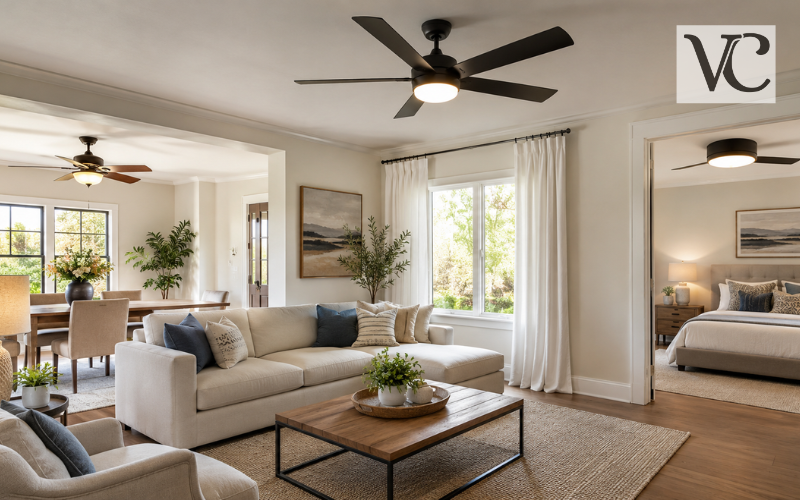
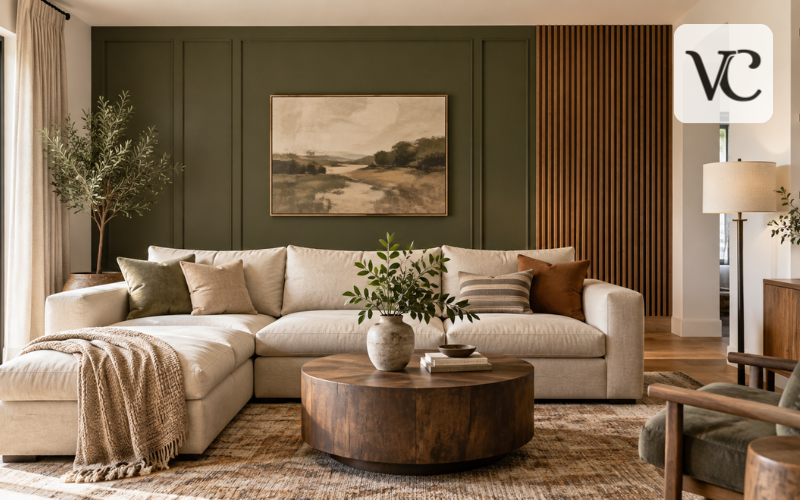
An accent wall is one wall in a room that is intentionally given a different color, material, pattern, or texture from the surrounding walls. Its job is not simply to stand out. A well-designed accent wall helps organize the room visually and gives the eye a clear place to rest.
This simple design idea can add depth and character without requiring a complete renovation. A painted wall can bring in color at a relatively low cost, while wallpaper, wood, wall panels, plaster, brick, or stone can add pattern and texture.
The best accent wall should look as though it belongs in the room. It should connect with the furniture, flooring, lighting, and overall style rather than feel like a separate decoration. The goal is to create a focal point that improves the space without making it feel busy or unbalanced.
Snippet-Ready Definition:
An accent wall is one wall designed with a different color, material, or texture to create a focal point. voguecultures.co.uk only provides informational content about accent walls and this article topic.
Accent Wall Quick Guide
| Accent Wall Type | Best For | Main Benefit | Commitment |
| Paint | Bedrooms, living rooms, offices | Affordable color change | Low |
| Wallpaper | Bedrooms, dining rooms | Pattern and visual detail | Low–Medium |
| Wall panels | Living rooms, bedrooms | Adds depth and structure | Medium |
| Wood | Bedrooms, media walls | Warmth and natural texture | Medium–High |
| Stone or brick | Fireplaces, larger rooms | Strong architectural character | High |
| Removable treatments | Rentals, temporary updates | Easy to change later | Low |
Simple Steps for Planning an Accent Wall
- Choose a wall that already feels like a natural focal point.
- Check furniture placement, windows, doors, and room proportions.
- Select paint, wallpaper, panels, wood, or another suitable finish.
- Match the color or material with existing flooring and furniture.
- Test paint samples or material samples in the room’s actual lighting.
- Consider cost, installation, cleaning, and future removal before starting.
What Makes an Accent Wall Feel Intentional Instead of Out of Place
A successful accent wall has a reason for being there. It may highlight a bed, fireplace, sofa, dining table, television area, or another important feature. When the wall supports something that already matters in the room, the result usually feels more natural.
Balance is important. A dark wall can look striking in a bright room but feel heavy in a small, dim space. Detailed treatments also work best when the surrounding décor is calmer.
The wall does not always need strong contrast. A slightly deeper version of the room’s main color can create a softer effect. Texture can also do the work that bold color once did. Wood slats, molding, limewash-style finishes, wallpaper, and paneling can add interest while keeping the color palette controlled. The most convincing designs usually repeat colors, materials, or shapes already present elsewhere in the room.
Choosing the Right Wall to Turn Into an Accent Wall
Start by looking for the room’s natural focal point rather than picking a wall simply because it is empty. In a bedroom, the wall behind the bed is often the obvious choice. In a living room, it may be the fireplace wall, the main sofa wall, or the area around a media unit. In a dining room, the wall that visually frames the table can work well.
Check the wall from the room entrance and main seating position. A good choice usually feels important from more than one viewpoint.
Wall shape matters too. A large, uninterrupted surface gives paint, wallpaper, panels, and wood room to make an impact. A wall cut up by several doors, oddly placed windows, vents, or built-in elements may be harder to treat successfully.
Also consider ceiling height and furniture placement. Vertical details can emphasize height, while horizontal lines can make a wide room feel broader. The accent wall should support the room’s proportions rather than fight them.
Accent Wall Ideas for Different Styles and Levels of Commitment
There is no single material that makes the best accent wall. The right choice depends on the room, budget, style, and how permanent you want the change to be.
Paint is usually the simplest starting point. It is relatively affordable, easy to update, and available in almost any color. Wallpaper adds pattern and can create anything from a quiet textured background to a dramatic mural. Peel-and-stick versions can suit renters or people who redecorate often, although surface compatibility should be checked first.
For more architectural depth, board and batten, picture-frame molding, shiplap, tongue-and-groove boards, or decorative panels can transform a flat wall. Natural or stained wood brings warmth, while brick, stone, tile, and plaster-style finishes can create a stronger material statement.
The best option is not necessarily the most expensive. A simple painted wall that fits the room can look more polished than an elaborate treatment that feels disconnected from everything around it.
Accent Wall Paint: Choosing a Color That Works With the Whole Room
Choosing accent wall paint is easier when you start with colors that already exist in the space. Look at the flooring, sofa, bedding, curtains, rugs, cabinets, artwork, trim, and large pieces of furniture. The accent color should relate to at least some of these elements.
Warm colors such as clay, muted terracotta, warm beige, or earthy brown can make a room feel inviting. Greens and blue-greens can bring a calm, natural quality, while deep blues, charcoal tones, and other darker shades can add drama. Lighter or muted colors can create definition without making the wall dominate the room.
Lighting can change paint noticeably. A shade that looks soft in daylight may appear much deeper under warm lamps at night. For that reason, test a sample on the actual wall and view it in the morning, afternoon, and evening before making a final choice.
Paint finish matters too. Low-sheen finishes often look calm, while busy areas may benefit from a more washable finish.
Accent Wall Designs With Paint Beyond a Single Solid Color
Accent wall designs with paint do not have to rely on one dark block of color. A more subtle approach can often feel fresher and easier to blend with the rest of the room.
Tonal contrast is one option: use a deeper or softer version of the surrounding wall color. Two-tone designs can also work when they connect with furniture or trim.
Painted arches can frame a desk, console, reading chair, or bed in a small area. Color blocking and simple geometric shapes can add energy to modern spaces, but the design should relate to the room’s lines and furniture rather than becoming decoration for its own sake.
Restraint usually produces a stronger result. Too many colors, shapes, and sharp contrasts can make a room feel smaller or busier. A limited palette and clean edges help painted designs feel deliberate.
Accent Wall Panels for Architectural Depth and Texture
Accent wall panels are useful when a room needs more than color. They create shadows, lines, and physical depth, which can make even a neutral wall feel interesting.
Board and batten uses strips of trim to create a structured pattern and can suit traditional, farmhouse, transitional, or modern rooms depending on the spacing. Picture-frame molding offers a more classic look, while shiplap and tongue-and-groove boards introduce clear horizontal or vertical lines. Slatted and dimensional panels can feel more contemporary, particularly behind a television, bed, or console.
Scale is important. Narrow sections and dense patterns can look busy on a small wall, while very wide spacing may appear weak on a large surface. It helps to mark the layout with removable tape before installation so you can judge the proportions from across the room.
Panels may be painted the same color as the wall for a seamless look, or finished in natural wood to create contrast. Either approach works best when it connects with other materials already present in the space.
Accent Wall Wood Ideas for a Warmer, More Natural Look
An accent wall with wood can introduce warmth, texture, and a sense of craftsmanship. Vertical wood slats are especially useful when you want clean lines and a contemporary look. Their direction can also draw the eye upward, which may help a room feel taller.
Horizontal boards create a different effect, emphasizing width and producing a more relaxed appearance. Geometric layouts can be more decorative, but they need enough open wall space to avoid looking crowded. Natural timber, veneer panels, and engineered wood products offer different levels of cost, weight, and installation difficulty.
Wood tone should be chosen carefully. It does not need to match the floor or furniture exactly, but the undertones should feel compatible. Mixing several unrelated orange, gray, red, and yellow woods in one room can make the space feel unsettled.
Real wood can respond to moisture and temperature changes, so damp areas may need materials made for those conditions. Slats and rough surfaces can also require more cleaning.
Accent Wall Living Room Ideas That Support the Room’s Main Focal Point
An accent wall living room design works best when it strengthens the room’s main gathering area. If the sofa is the dominant piece, the wall behind it can provide a strong background for artwork, lighting, or shelving. If the room has a fireplace, it is often better to enhance that existing focal point than to create a second competing feature on another wall.
Media walls need similar care. Paint, wood slats, panels, or textured finishes can help a television area feel integrated, but the wall should not become so detailed that watching the screen feels distracting. Built-in storage and floating consoles can also influence the right wall treatment.
Think about the entire composition rather than the wall alone. A deep wall color may work well with a light sofa and warm wood furniture. Wood paneling may connect with shelves or flooring. Artwork can repeat colors from the feature wall without matching them exactly.
Accent Wall Bedroom Ideas for a Calm but Distinctive Focal Point
The wall behind the headboard is often the most natural place for an accent wall bedroom design because the bed is usually the room’s main focal point. A feature wall here can visually frame the bed and reduce the need for extra decoration.
Paint offers the easiest change, while wallpaper can introduce soft pattern or texture. Panel molding can give the room more architectural character, and wood can add warmth. In restful spaces, muted greens, warm neutrals, softened blues, clay tones, and deeper natural shades can create interest without making the room feel overly active.
Coordinate the wall with bedding, bedside tables, lamps, flooring, and window treatments. The colors do not need to match perfectly; they simply need to feel related.
In a small bedroom, a low-contrast treatment can add depth without overwhelming the space. If there is no headboard, painted shapes, paneling, wallpaper, or a carefully sized wood treatment can visually define the sleeping area. The feature should still leave enough calm space around the bed for the room to feel comfortable.
Accent Walls in Small Rooms, Dining Areas, Offices, and Entryways
An accent wall can work outside the living room and bedroom, but the approach should fit the purpose of each space. In a small room, a strong feature can be effective when it gives the eye a clear destination. However, extremely dark colors or busy patterns on an awkward wall may make the room feel more enclosed.
Open-plan spaces can use a change in color or material to define one zone without building a physical divider. A dining wall, for example, can visually anchor the table and help the eating area feel separate from the living space.
In a home office, a calm painted wall, wood detail, or subtle wallpaper can add character without distracting from work. Entryways and hallways often need less coverage. A small paneled section, painted end wall, or textured surface may be enough to create a sense of arrival.
The key is scale. Smaller or secondary spaces often benefit from a focused treatment rather than the most dramatic idea available.
Common Accent Wall Mistakes That Can Make a Room Feel Unbalanced
The most common mistake is choosing a wall without considering why it deserves attention. A random side wall can pull focus away from the bed, fireplace, view, or seating arrangement and make the room feel visually confused.
Color mistakes are also common. Paint may clash with fixed elements such as flooring, countertops, brick, tile, or large furniture if their undertones are ignored. Lighting can make the problem more noticeable, which is why sampling the color in the actual room is important.
Another issue is trying to make every design idea compete at once. Bold wallpaper, strong artwork, patterned curtains, a statement rug, and highly detailed paneling can overwhelm one another. A feature wall needs some visual breathing room.
Panel and wood proportions also deserve attention. Designs copied from a large room may not suit a narrow wall or low ceiling.
Avoid choosing a treatment only because it is fashionable. A design that suits the room and daily use will usually age better.
Planning the Budget, Installation, and Long-Term Care
Before starting, think about more than the purchase price. Paint is usually one of the lower-commitment options, but good results still depend on cleaning, patching, sanding, priming when needed, and careful edging. Wallpaper requires accurate measuring and surface preparation, while panels and wood add costs for trim, adhesive or fasteners, tools, finishing, and possible professional labor.
Stone, tile, heavy panels, or complex built-ins are generally more permanent and may require skilled installation. If electrical outlets, switches, television mounts, or lighting are involved, plan their positions before adding wall materials.
Also consider maintenance. Grooves, slats, and rough textures may collect more dust, while moisture-prone rooms need suitable finishes.
If you rent or expect to redecorate often, removable wallpaper, temporary panels, or paint may make more sense than permanent construction. Planning for removal and repair can prevent a stylish update from becoming an expensive problem later.
Conclusion
The best accent wall is not simply the boldest wall in the room. It is the one that supports the layout, strengthens a natural focal point, and feels connected to the space around it. Paint, wallpaper, panels, wood, and textured materials can all work well when they are chosen for the room rather than applied as a trend.
Before making a decision, look at the wall from different viewpoints and consider the lighting, furniture, flooring, colors, proportions, and way the room is used. A subtle treatment may be enough in one space, while another room may benefit from deeper color or architectural texture.
It is also worth thinking beyond appearance. Budget, installation, cleaning, moisture, durability, and future changes all affect whether an accent wall remains practical over time.
When these details are considered together, an accent wall can do more than add decoration. It can give the room clearer focus, more character, and a finished look that feels natural rather than forced.
Frequently Asked Questions
What is an accent wall?
An accent wall is a single wall treated differently from the surrounding walls using paint, wallpaper, wood, panels, or texture to create visual interest and strengthen a room’s focal point.
Which wall should be the accent wall?
Choose a wall that naturally attracts attention, such as the wall behind a bed, sofa, fireplace, dining table, or media unit. Avoid selecting a wall simply because it is empty.
Are accent walls still a good design choice?
Yes, when they are planned carefully. Modern accent walls often use subtle color, wood, paneling, wallpaper, or texture instead of relying only on a sharply contrasting painted wall.
What color is best for an accent wall?
There is no single best color. Choose a shade that works with the room’s flooring, furniture, lighting, and existing wall colors. Always test samples before painting the full wall.
Can a small room have an accent wall?
Yes. A small room can benefit from an accent wall when the color, pattern, and scale are controlled. Softer contrasts and simple treatments often work better than very busy designs.
Disclaimer: The information in this accent wall article on voguecultures.co.uk is provided solely for general informational and educational purposes. It is intended to help readers understand accent wall ideas, colors, materials, design choices, installation considerations, and basic maintenance. This content does not contain or represent guest posting, paid promotion, sponsored placement, advertising, or product endorsement. Any design or DIY decision should be based on the condition of your own room, materials, budget, and skill level. For structural work, electrical changes, heavy wall installations, or other specialized work, consider seeking advice from a qualified professional.
Enjoyed this article? Discover more helpful ideas and fresh inspiration on Vogue Cultures.