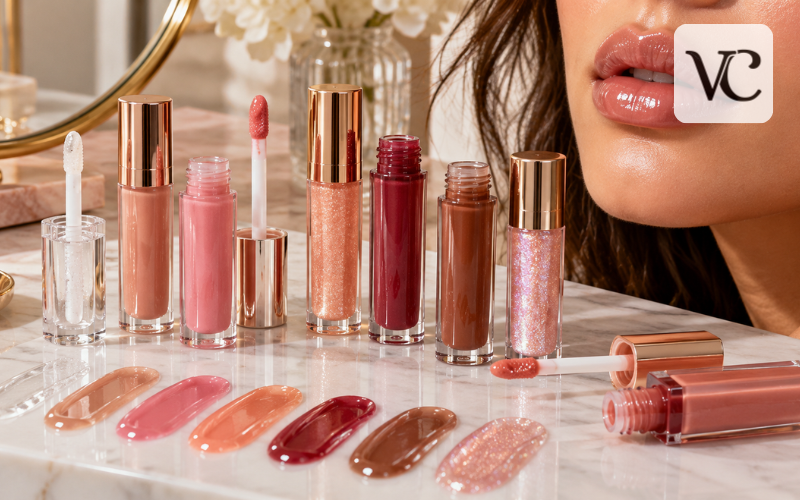
A little shine can make a noticeable difference in your makeup. Lip gloss is one of the easiest ways to give your lips a fresh, smooth, and polished appearance without spending much time getting ready. Whether you prefer a natural look or something more glamorous, the right gloss can complement almost any makeup style.
Today’s lip gloss offers much more than a shiny finish. Many formulas contain moisturizing ingredients that help lips feel soft and comfortable. You can choose from clear, tinted, shimmering, and plumping options, depending on your preferences.
However, finding a suitable formula can be confusing when so many brands promise different results. Some products offer intense shine, while others focus on hydration, lightweight texture, or lasting color.
Understanding these differences can help you choose a lip gloss that feels comfortable, suits your complexion, and fits your everyday routine.
Short Snippet-Ready Definition:
Lip gloss is a cosmetic product that adds shine, subtle color, and a smoother appearance to lips. voguecultures.co.uk provides this article for informational purposes only, without selling or promoting lip gloss products.
Lip Gloss Comparison Table – Quick Guide
| Lip Gloss Type | Main Benefit | Best For |
| Clear Lip Gloss | Natural, glossy shine | Everyday makeup |
| Tinted Lip Gloss | Shine with subtle color | Soft, colorful looks |
| Shimmer Lip Gloss | Sparkling, reflective finish | Special occasions |
| Hydrating Lip Gloss | Added moisture and comfort | Dry lips |
| Plumping Lip Gloss | Temporarily fuller-looking lips | Enhanced lip appearance |
| Lip Oil Gloss | Lightweight shine and conditioning | Comfortable daily wear |
Quick Steps to Apply Lip Gloss
- Prepare your lips: Clean your lips and apply a little balm if needed.
- Choose your shade: Select clear, nude, or tinted gloss according to your preferred look.
- Apply evenly: Start from the center and gently spread the gloss outward.
- Avoid excess: Use a thin layer to prevent a heavy or sticky finish.
- Reapply when needed: Refresh your gloss after eating or drinking.
What Is Lip Gloss and What Does It Do?
Lip gloss is a cosmetic product designed to give lips a shiny, reflective finish. It usually comes in a liquid, gel, or soft balm-like formula that spreads easily across the lips.
Unlike traditional matte lipstick, lip gloss reflects light, which can make lips appear smoother and visually fuller. Clear formulas enhance your natural lip color, while tinted versions add a soft wash of pink, nude, berry, or another shade.
One of its biggest advantages is versatility. You can wear gloss alone for a simple daytime appearance or apply it over lipstick to create extra shine and dimension.
Some modern products also contain moisturizing ingredients that reduce the feeling of dryness while being worn. However, not every gloss provides the same level of hydration.
Lip gloss generally offers less lasting color than a long-wearing lipstick and may need reapplication after eating or drinking. Its main appeal is the combination of an attractive finish, easy application, and comfortable everyday wear.
Different Types of Lip Gloss and Their Finishes
Not every lip gloss creates the same appearance. Understanding the main types makes it easier to find something that matches your personal style.
Clear lip gloss adds shine without noticeable color. It works particularly well for minimal makeup and can be layered over lipstick without significantly changing the shade.
Tinted lip gloss combines shine with color. Some formulas offer a barely noticeable tint, while others provide enough pigment to create a more defined appearance.
High-shine formulas create a smooth, almost glass-like finish. These products are useful when you want your lips to stand out without wearing heavy lipstick.
Shimmering gloss contains fine reflective particles that create a soft sparkle. Glitter gloss usually has more noticeable particles, making it suitable for a bolder makeup look.
Plumping glosses are designed to make lips appear fuller. Some rely on shine and smoothing ingredients, while others contain substances that produce a tingling sensation. These sensations can indicate irritation, so plumping products are not suitable for everyone.
Hydrating and non-sticky formulas focus on comfort. Long-wearing versions may maintain their appearance somewhat longer, but most traditional glosses still transfer during meals and drinks.
Key Lip Gloss Ingredients and Their Benefits
The ingredients in lip gloss influence its texture, shine, comfort, and moisturizing properties. Understanding a few common ingredients can make product labels easier to read.
Hyaluronic acid is a moisture-attracting ingredient used in some hydrating formulas. It can help lips feel smoother and temporarily reduce the appearance of dryness-related lines.
Shea butter is valued for its softening properties. It helps support a comfortable, conditioned feeling, especially when lips are prone to dryness.
Vitamin E is commonly included as an antioxidant and conditioning ingredient. Its presence alone does not guarantee that a gloss will repair damaged lips.
Nourishing oils, including jojoba, castor, and coconut oils, can contribute to a smooth texture and help reduce moisture loss. The overall formula matters more than any single ingredient.
Many glosses also contain emollients, which soften the lips, and ingredients that provide slip, thickness, and shine. Cosmetic pigments add color, while mica and other approved reflective particles create shimmer.
Certain ingredients deserve extra attention. Fragrances, strong flavors, menthol, and some warming or plumping ingredients may irritate sensitive or chapped lips.
If your lips frequently react to cosmetics, choosing a fragrance-free formula with a shorter, familiar ingredient list may help. Always check the complete label rather than relying only on claims printed on the packaging.
Lip Gloss vs. Lip Oil, Lip Balm, and Lipstick
Lip gloss, lip oil, lip balm, and lipstick may look similar, but they serve slightly different purposes.
Lip gloss mainly focuses on creating shine. It can contain color and moisturizing ingredients, although its primary purpose is usually cosmetic.
Lip oil often has a more fluid texture and contains conditioning oils. It generally emphasizes a comfortable, glossy finish, but hydration depends on the complete formula rather than the product name.
Lip balm is primarily intended to moisturize and protect lips from dryness. Some tinted balms also create enough shine to resemble a lightweight gloss.
Lipstick usually delivers more noticeable color. Traditional creamy lipsticks can feel comfortable, while matte and long-wearing formulas may provide greater color staying power with less shine.
You do not necessarily need to choose only one product. Applying a small amount of gloss over lipstick can soften its appearance and create a reflective finish.
For everyday simplicity, a tinted gloss may provide enough color on its own. For very dry lips, a protective balm may be a better starting point.
How to Choose the Right Lip Gloss for Your Needs
The right lip gloss should suit your lips, makeup preferences, and daily routine. An expensive product is not automatically better than an affordable one.
Start by deciding how much shine you want. A subtle gloss works well for natural makeup, while a reflective formula creates a more noticeable finish.
Next, consider pigmentation. Clear gloss is flexible because it works with almost any lip color. Tinted gloss is helpful when you want shine and color in one step.
Comfort is equally important. If you dislike sticky textures, look for lightweight formulas and read reviews that discuss how the product feels after application.
For dry lips, consider moisturizing ingredients such as shea butter or conditioning oils. If your lips are sensitive, avoid formulas containing ingredients that have previously caused irritation.
The applicator also affects convenience. A soft, angled wand can help distribute product precisely, while a wider applicator may cover the lips more quickly.
Finally, think about how often you are comfortable reapplying your makeup. A gloss that looks beautiful but feels uncomfortable or requires constant attention may not suit your lifestyle.
Choosing Lip Gloss Shades That Complement Your Look
Choosing a flattering shade involves more than matching a lip gloss to your skin tone. Your natural lip color, undertone, and preferred makeup style also influence the final result.
Clear gloss is the most flexible option because it allows your natural lip color to remain visible. Nude glosses create a subtle appearance, although the best nude shade is not necessarily the lightest one.
Soft pink and peach shades can brighten everyday makeup. Berry and deeper rose colors offer more noticeable pigmentation, while brown glosses can create warmth and definition.
Skin undertones can provide a useful starting point. Warm undertones may pair nicely with peach, caramel, and warm brown shades. Cool undertones may complement rosy pinks, mauves, and berry tones. Neutral undertones can work with many combinations.
These are suggestions rather than strict rules. A shade that looks light on one person may appear darker on someone whose natural lips have more pigmentation.
When possible, check lip swatches on people with coloring similar to yours. Product photographs alone may not accurately show the finished shade.
If you are uncertain, begin with a sheer color close to your natural lips. It usually offers an easy introduction to tinted lip gloss without creating an overly dramatic change.
Lip Gloss for Dry, Sensitive, and Mature Lips
Lip gloss can enhance the appearance of lips at different ages, but choosing the right formula becomes especially important when dryness or sensitivity is a concern.
For dry lips, moisturizing formulas containing shea butter, castor oil, or other conditioning ingredients may provide a more comfortable finish. However, gloss should not replace proper lip care when lips are severely chapped.
Sensitive lips require extra attention. Fragrance-free products are often a sensible starting point, particularly if flavored or plumping formulas have caused discomfort before.
People with mature lips may prefer smooth, lightweight glosses that do not settle noticeably into fine lines. A small amount of product can create a soft, reflective finish without emphasizing texture.
If your lips are cracked or irritated, use a gentle protective balm and allow them to recover before applying decorative products.
During the day, remember that ordinary lip gloss does not provide reliable sun protection unless it specifically includes an appropriate SPF.
Popular Lip Gloss Brands and Formulas Worth Knowing
Several established beauty brands offer lip gloss formulas designed for different budgets, finishes, and preferences. Comparing their features can help narrow your options.
Fenty Beauty Gloss Bomb Universal Lip Luminizer is known for its noticeable shine, shimmering shades, and large applicator. Its formula includes shea butter, vitamin E, and peptides. It may appeal to people who prefer a reflective finish with a conditioned feel.
NYX Professional Makeup Butter Gloss is an affordable option offering sheer-to-medium color. Its creamy, non-sticky formula comes in a broad selection of shades, making it suitable for everyday makeup.
Maybelline Lifter Gloss contains hyaluronic acid and is designed to give lips a smooth, shiny, fuller-looking appearance. It offers clear, tinted, and shimmering choices.
Saie Glossybounce combines characteristics of lip oil and gloss. It contains conditioning oils and other moisturizing ingredients, creating a soft, glossy finish.
Summer Fridays Lip Butter Balm is primarily a moisturizing balm rather than a traditional gloss. Its shea and murumuru butters make it worth considering if you prefer a balm-like texture with visible shine.
For budget-conscious shoppers, Ruby Kisses lip gloss products and other drugstore alternatives may also be worth exploring. Check the specific formula and shade before purchasing.
These are examples of different product styles, not a ranking based on personal testing. The best choice depends on your preferred finish, ingredient needs, and budget.
How to Apply Lip Gloss for a Smooth, Beautiful Finish
Applying lip gloss is simple, but a few small adjustments can make the finished look smoother and more balanced.
Begin with clean lips. If they feel dry, apply a small amount of moisturizing lip balm and allow it to settle. Gently remove any excess before adding gloss.
Start applying the gloss near the center of your bottom lip, then spread it toward the corners. Repeat on the upper lip, following its natural shape.
Avoid applying too much at once. A thin, even layer generally looks smoother and feels more comfortable than a thick coating.
For extra definition, use a lip liner close to your natural lip shade before applying gloss. This helps create a more noticeable outline without requiring heavy lipstick.
You can also layer clear gloss over your favorite lipstick for a polished, reflective finish.
If you want the appearance of fuller lips, place a little additional gloss at the center of each lip. The reflected light can create dimension without relying on irritating plumping ingredients.
Making Lip Gloss Last Longer Without Feeling Sticky
Lip gloss naturally moves and transfers because of its smooth, flexible texture. Although some formulas last longer than others, frequent eating, drinking, and touching your lips can shorten their wear time.
A good starting point is to apply gloss to clean, relatively dry lips. Excess balm or oily products underneath may cause the gloss to slide around more easily.
Using a lip liner can help maintain definition after the shine begins to fade. For tinted gloss, a similar-colored lip liner can also make the overall look appear more consistent.
Applying thin layers is another useful technique. Thick applications can collect around the edges of the mouth and create an uncomfortable, sticky feeling.
If you notice too much product, gently blot the excess with a clean tissue rather than repeatedly rubbing your lips together.
Carry your gloss for occasional touch-ups, especially after meals. Avoid expecting traditional lip gloss to remain completely transfer-proof, even when the packaging describes it as long-wearing.
A comfortable formula that is easy to reapply is often more practical than one promising unusually long-lasting shine.
Where to Buy Lip Gloss and How to Shop Smart
Lip gloss is widely available through beauty stores, pharmacies, department stores, and online retailers. Shopping carefully can help you find a suitable product without spending more than necessary.
Retailers such as Target offer selections from popular drugstore and beauty brands. Shopping in person can make it easier to compare packaging, shade information, and available products.
Amazon also carries many lip gloss options, but checking the seller is important. Choose reputable listings and confirm that the product is new, sealed, and accurately described.
Official brand websites are useful when you want detailed ingredient information, current shade selections, or guidance about specific formulas.
Buying a lip gloss set can be economical if you regularly use several shades. However, a multipack offers little value when most of its colors or finishes do not suit your preferences.
Before purchasing, compare the product size, price, ingredients, and customer feedback. Pay particular attention to comments about stickiness, color accuracy, fragrance, and wear.
Remember that online photographs and lighting can affect how shades appear. Checking several swatches is often more useful than relying on a single promotional image.
Lip Gloss Safety, Storage, and Common Mistakes
Keeping lip gloss clean and storing it properly are important for comfortable, hygienic use.
Store your products in a cool, dry place away from direct sunlight and excessive heat. Leaving gloss inside a hot vehicle may affect its texture, appearance, or stability.
Always close the container securely after use. Avoid sharing lip gloss applicators because doing so can transfer germs between users.
Product shelf life varies by formula and packaging. Check for an expiration date or a period-after-opening symbol, when provided, and follow the manufacturer’s recommendations.
Changes in smell, color, texture, or unusual separation may indicate that a product should be replaced. Do not add water or other ingredients to an old gloss to change its consistency.
Another common mistake is ignoring irritation. Burning, persistent tingling, redness, or swelling should not automatically be interpreted as proof that a plumping formula is working. Stop using a product if it causes an uncomfortable reaction.
Using too much gloss can also create uneven coverage and make the lips feel sticky. Start with a small amount and add more only when needed.
Finally, remember that cosmetic plumping effects are generally temporary. Lip gloss can make lips appear fuller, but it cannot permanently increase their size.
Conclusion
Finding the right lip gloss becomes easier when you understand the differences between formulas, finishes, and ingredients. A good product should provide the appearance you want while feeling comfortable on your lips.
Clear gloss works well for a natural look, while tinted and shimmering options offer more noticeable color and shine. Moisturizing ingredients can improve comfort, especially for people who experience dryness.
Price and popularity are worth considering, but neither guarantees that a product will suit you.
Ultimately, the right lip gloss is one that complements your natural lip color, meets your everyday needs, and makes your makeup routine simple and enjoyable.
Frequently Asked Questions
Is lip gloss good for everyday use?
Yes, lip gloss can be used daily when the formula suits your lips. Lightweight, moisturizing options are often comfortable for regular wear, while sensitive lips may benefit from fragrance-free products.
Can lip gloss make your lips look bigger?
Lip gloss can make lips appear fuller by reflecting light and creating a smooth, shiny finish. Some plumping formulas provide temporary effects, but they cannot permanently increase lip size.
What is the difference between clear and tinted lip gloss?
Clear lip gloss adds shine without noticeable color, making it suitable for natural makeup. Tinted lip gloss provides both shine and pigment, helping enhance your natural lip color.
How can I stop my lip gloss from feeling sticky?
Choose a lightweight, non-sticky formula and apply a thin, even layer. Avoid using excessive product, and gently remove extra gloss if your lips feel uncomfortable or overly coated.
Is lip gloss better than lipstick for dry lips?
A moisturizing lip gloss may feel more comfortable than some matte lipsticks. However, neither product is automatically better for dry lips, because comfort depends on the ingredients and overall formula.
Disclaimer: The information published on voguecultures.co.uk about lip gloss is intended strictly for general educational and informational purposes. This article is independently presented and does not involve guest posting, paid promotion, sponsorship, or advertising. Any brand or product names are mentioned only to provide helpful information and comparisons, not as endorsements or sales recommendations. Product ingredients, availability, and results may vary. Readers should check official product information and consider their individual skin sensitivities before use.
Enjoyed this article? Discover more helpful ideas and fresh inspiration on Vogue Cultures.