
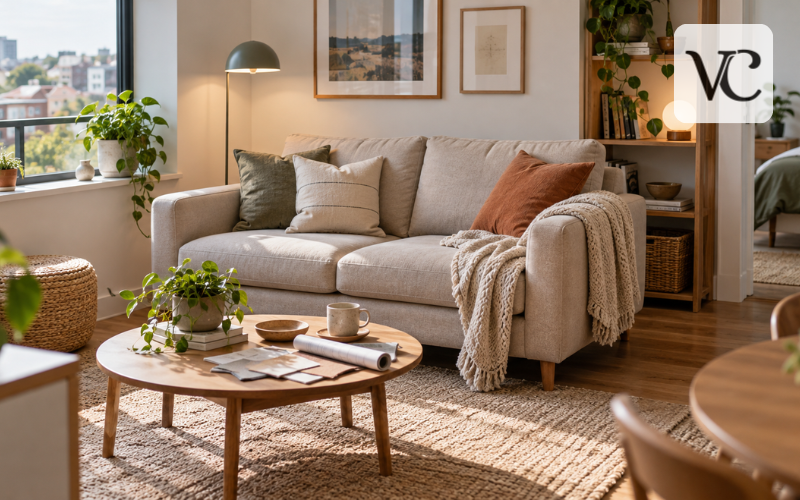
A small living room can be comfortable and inviting without a large couch taking up most of the floor. A smallish sofa offers a middle ground: enough seating for everyday life, but a footprint that makes more sense in an apartment, studio, or modest family room.
The challenge is that “small” means different things across furniture stores. One compact-looking sofa may have deep cushions that extend far into the room, while another saves space with narrow arms and a shallower seat. Both might look appealing online, yet only one may suit your layout.
Choosing well starts with your available measurements and how you plan to use the seating. Comfort, fabric, construction, and style matter too. The goal is not simply to buy the shortest sofa you can find. It is to find one that feels right in your home.
Snippet-Ready Definition:
A smallish sofa is a compact couch designed to provide comfortable seating without occupying too much space. VogueCultures.co.uk offers independent, informational guidance about smallish sofas, their sizes, styles, and practical features.
Smallish Sofa Comparison Table – Quick Guide
| Sofa Type | Typical Width | Best For |
| Compact Loveseat | 50–65 inches | Studios and small apartments |
| Apartment-Size Sofa | 65–80 inches | Small living rooms |
| Armless Sofa | Varies by model | Maximizing usable seating width |
| Modular Sofa | Varies by configuration | Flexible room layouts |
| Small Sleeper Sofa | Varies by model | Occasional overnight guests |
Quick Steps to Choose a Smallish Sofa
- Measure your space: Check the available width, depth, and walking clearance.
- Choose a suitable design: Consider slim arms, raised legs, or a compact loveseat.
- Check comfort: Compare seat depth, cushion firmness, and back support.
- Select practical upholstery: Choose a fabric that suits your lifestyle and cleaning needs.
- Review important details: Confirm delivery dimensions, warranty, and return conditions.
What Is a Smallish Sofa?
A smallish sofa is an informal term for a couch with a more compact footprint than a typical full-size model. It may be sold as a loveseat, two-seater, or apartment-size sofa. These labels are useful, but there is no single measurement that every manufacturer follows.
As a rough guide, many loveseats measure about 50 to 65 inches wide, while apartment-size sofas often fall around 65 to 80 inches. Depth can vary considerably, commonly from around 30 inches to more than 40 inches. Always compare the actual specifications instead of relying on the product category.
A loveseat usually suits one person stretching out or two people sitting together. A compact three-seater provides more room for guests but needs a longer wall.
Pay attention to the width between the arms, not just the outside width. Wide armrests can make a 62-inch sofa feel much smaller inside than a slimmer design of similar size.
Choosing the Right Smallish Sofa Size
Start with the wall or area where the sofa will sit. A model that almost fills the entire wall can make a room feel crowded, particularly if there are side tables, doors, or windows nearby. Leaving some open space around the ends usually creates a more relaxed appearance.
Think about who will use the sofa most. A compact two-seater can work beautifully for one or two adults, whereas a small three-seater may be more practical for a household that regularly hosts friends. Seat width matters more than the number of cushions advertised.
Depth deserves equal attention. A 68-inch-wide sofa with a 46-inch depth uses much more floor space than one with a 32-inch depth. Back height also affects whether the piece blocks a window or looks bulky.
As a starting point, aim for roughly 30 to 36 inches of clear space along important walking routes where your room permits. These are planning guidelines, not universal rules; accessibility needs may require wider paths.
Measuring Your Space Before Buying
Measure the room before choosing a style or color. Record the available wall length, the distance to nearby furniture, and the positions of doors, radiators, and heating vents. Include baseboards or other features that prevent the sofa from sitting flush against a wall.
Next, measure the complete delivery route. A sofa must pass through the building entrance, hallway, doorway, elevator, or staircase before it reaches the living room. Narrow turns and low ceilings can cause problems even when the doorway looks wide enough. Check the packaging dimensions and whether the legs or other parts can be removed.
A simple floor sketch helps you compare choices. Draw the sofa at scale, or mark its width and depth on the floor with painter’s tape. Then walk through the room, open the doors, and imagine using the surrounding furniture.
If the space feels awkward when outlined on the floor, choosing a slightly smaller model is often better than hoping it will look fine after delivery.
Smallish Sofa Designs That Make Rooms Feel Bigger
Visual weight can change how spacious a room feels. A sofa with slender arms provides more seating within the same outside width, while an armless design looks especially open. However, some people prefer having arms to lean against when reading or relaxing.
Raised legs reveal more of the floor underneath, which can make the seating feel lighter. A low back and simple outline also help prevent the sofa from dominating a compact living room. These details are especially useful when the sofa faces the entrance.
Modern and Scandinavian designs often feature clean shapes and restrained colors. Mid-century sofas commonly add tapered legs, while Japandi-inspired seating combines simple lines with warm, natural-looking materials.
None of these styles is automatically the best choice. A streamlined sofa that is too deep will still crowd a narrow room. Choose the silhouette you like, then confirm that its measurements work.
Loveseats, Modular Sofas, and Other Compact Options
A loveseat is usually the simplest option when floor space is tight. It gives you a defined place to sit without requiring the wall length of a standard sofa. An apartment-size sofa may be better if you want room to stretch out or accommodate a third person occasionally.
Modular sofas are worth considering when your needs could change. Separate sections can sometimes be rearranged, expanded, or carried through narrow access points more easily. Check the exact configuration, joining hardware, and dimensions rather than assuming every modular piece will fit.
A compact sectional can make good use of an unused corner, but its projecting seat may interfere with a walkway. Measure that extension carefully.
If your living room doubles as a guest bedroom, a small sleeper sofa offers another function. Check its dimensions both closed and fully extended, including the floor space needed to walk around the bed. Storage compartments and removable covers can be useful, provided they do not compromise comfort.
Finding a Smallish Sofa That’s Actually Comfortable
Comfort depends on more than soft cushions. Seat depth determines how far back you sit. A shallower seat often supports upright sitting and conversation, while a deeper seat can feel better for curling up. People with shorter legs may find very deep seating uncomfortable unless they use a back cushion.
Seat height also matters. When seated, your feet should rest comfortably on the floor, with your knees at a natural angle. A low sofa may suit a relaxed look but can be harder for some people to stand up from.
Firm cushions generally offer a more supported feel. Medium cushions balance structure and softness, while plush seats invite lounging but may need regular reshaping. Neither option is universally better.
Think about your normal routine. For reading, look for reliable back support and comfortable armrests. For movie nights, prioritize enough seat depth and room to change position. If possible, sit on the sofa in person; otherwise, study seat measurements, return terms, and detailed owner feedback.
Best Upholstery Fabrics for a Smallish Sofa
Upholstery affects how a sofa looks, feels, and handles daily life. Velvet gives compact seating a rich, soft finish, although its pile can show pressure marks and changes in shading. Corduroy adds warmth and texture, but the ridges may collect crumbs and dust.
Linen and linen-blend fabrics create a relaxed appearance and can suit bright rooms. Their cleaning needs and resistance to wrinkles vary by fabric blend. Leather can be easy to wipe down in some finishes, yet it may scratch or develop visible wear, so care instructions matter.
Performance fabrics are designed with particular demands in mind, such as stain resistance or abrasion resistance. The label alone does not tell you how easy a fabric is to clean. Look for the actual care code, material composition, and manufacturer guidance.
For children or pets, consider tightly woven fabrics, removable covers, and colors that suit everyday messes. Washable covers are convenient only when the manufacturer explicitly allows machine washing. Ordering fabric swatches is a practical way to check texture, color, and how the material looks in your lighting.
Sofa Construction, Durability, and Long-Term Value
A small sofa still needs a dependable frame. Well-made hardwood or quality engineered-wood frames can provide steady support, especially when the joints are properly reinforced. Do not assume that weight alone proves good construction.
Under the cushions, springs or supportive webbing help distribute pressure. Foam cushions may hold their shape well, while fiber-filled cushions tend to feel softer and often need fluffing. Better-quality materials generally cost more, but the right choice depends on how frequently the sofa will be used.
Inspect product descriptions for frame materials, cushion details, seating weight limits, and cleaning instructions. Check whether the cushions can be rotated and whether replacement covers or parts are sold separately.
Also read the warranty carefully. Some warranties cover the frame but exclude normal fabric wear or cushion softening. A low purchase price may be appealing, but delivery fees, assembly charges, and the cost of replacing a worn-out sofa affect its long-term value.
Sustainable and Adaptable Smallish Sofas
A sofa can be a more thoughtful purchase when its materials and design support a longer useful life. Some brands offer recycled upholstery, responsibly sourced wood, or fabrics made using recovered textile waste. Look at the specific claim rather than assuming that every fabric from a sustainable collection has the same certification.
Certifications serve different purposes. For example, GREENGUARD Gold relates to chemical emissions, while the Global Recycled Standard addresses recycled content and associated processing requirements. Neither automatically proves that an entire sofa is environmentally harmless.
Adaptability matters too. A modular loveseat that accepts extra sections may continue working after a move to a larger home. Replaceable cushion covers, individual components, and clear repair options can reduce the need to discard an otherwise usable frame.
It is also worth choosing a design you expect to enjoy for years. Buying a well-fitting sofa once can be more practical than repeatedly replacing furniture that never quite suits the room.
Smallish Sofa Options Worth Comparing
Comparing real products makes the size differences easier to understand. These examples serve different needs, and the measurements refer to overall width and depth rather than usable seat size. Confirm specifications and current availability before ordering.
Sabai The Essential Loveseat measures approximately 62 inches wide and 34 inches deep. It has broad arms, removable back pillows, and options including recycled velvet and upcycled polyester. Its repair and expansion options appeal to buyers who value flexibility. However, the seven-inch arms take up a noticeable share of its width, and its seat height is fairly low.
Castlery Mori Performance Fabric Armless Two-Seater measures about 66.9 inches wide and 45.7 inches deep. Without bulky side arms, it creates an open look and generous seating width. That depth is the trade-off: it needs significantly more floor space than many compact sofas, making it better for lounging areas than narrow passageways.
Herman Miller Eames Sofa Compact is approximately 72.5 inches wide and 30 inches deep. Its upright profile, slim steel legs, and supportive foam cushions suit someone seeking a shallow, design-focused sofa. It is a premium option, and its relatively low seat may not suit everyone.
For a smaller budget or a tight nook, the Etta Avenue Hendrix Velvet Loveseat is listed at around 50.2 inches wide and 27 inches deep. Its tufted styling offers a different look, although the compact seat is not ideal for stretching out. Compare cushion firmness, assembly requirements, and return conditions carefully.
The best value is not necessarily the lowest price. It is the sofa whose dimensions, materials, comfort, and expected life match your needs.
Styling a Smallish Sofa in a Small Living Room
Where you place a sofa can matter as much as its style. Position it along a wall when that keeps pathways open, or use it to gently divide a studio into living and sleeping areas. Avoid pushing surrounding furniture so close that the room becomes difficult to use.
Neutral upholstery can blend with walls and make the arrangement feel calm, but a green, blue, or warm rust sofa can also work beautifully as a focal point. The key is to repeat a few related tones elsewhere rather than adding too many competing colors.
Select a coffee table that suits the available space. A narrow oval or round table may be easier to move around than one with sharp, projecting corners. As a general guide, leave roughly 14 to 18 inches between the sofa and coffee table.
A proportionate rug, one or two cushions, and a good reading lamp can finish the seating area without cluttering it. Leave enough visible floor and breathing room around each piece.
Common Mistakes to Avoid When Buying a Smallish Sofa
One common mistake is judging a sofa only by a styled photograph. Wide-angle images and large showrooms can make furniture appear smaller than it really is. Check every measurement, including the depth, height, arm thickness, and actual seat width.
Another is choosing the smallest possible model without considering comfort. A tiny loveseat might fit perfectly but offer too little support for daily television watching or two adults sitting together. A slightly larger, better-proportioned sofa may be the smarter choice.
Delivery details also deserve attention. Verify the route into your home, whether assembly is required, and how much removal of packaging or old furniture will cost. For sleepers and recliners, include the space needed when their moving parts are in use.
Finally, read fabric care guidance and return conditions before paying. Check restocking fees, who pays return shipping, and whether custom upholstery is refundable. A few minutes spent checking these details can prevent a frustrating purchase.
Conclusion
The right smallish sofa should make your living room easier to enjoy, not harder to move through. Begin with accurate room and delivery measurements, then compare seat comfort, upholstery, construction, and the way each design uses space.
A loveseat may be perfect for a studio, while a slim apartment sofa or adaptable modular option might better suit a busy household. Neither size nor price alone tells the whole story.
Choose a sofa that supports the way you actually live, with enough room to sit comfortably and move around freely. When the proportions work, even a modest living room can feel welcoming, balanced, and complete.
Frequently Asked Questions
What is the difference between a smallish sofa and a loveseat?
A smallish sofa is a general term for a compact couch, while a loveseat typically seats two people. Both suit smaller rooms, but their dimensions and seating comfort vary by design.
What size smallish sofa is best for a small living room?
A sofa around 60–75 inches wide may work well in many small living rooms. However, the ideal size depends on the room’s layout, furniture placement, and available walking space.
Can a smallish sofa be comfortable for everyday use?
Yes, a well-designed smallish sofa can provide excellent everyday comfort. Look for supportive cushions, suitable seat depth, comfortable backrests, and enough seating width for your household’s needs.
Which fabric is best for a smallish sofa with pets?
Tightly woven performance fabrics and some removable, washable covers can be practical for pet owners. Consider resistance to scratching, ease of cleaning, and the manufacturer’s specific fabric care instructions.
How can I make a smallish sofa look good in my living room?
Choose a sofa that matches your room’s proportions and color scheme. Pair it with a suitable rug, compact coffee table, simple cushions, and lighting that keeps the space welcoming.
Disclaimer: This article is published by VogueCultures.co.uk for general informational and educational purposes only. Its purpose is to help readers understand smallish sofa sizes, designs, materials, comfort, and practical buying considerations. This article is not a guest post, paid promotion, sponsored review, or advertisement. Any brands or products mentioned are included solely as informational examples, not as paid endorsements or sales offers. Product specifications, availability, and prices may change. Readers should independently verify details with manufacturers or retailers before making purchasing decisions.
Enjoyed this article? Discover more helpful ideas and fresh inspiration on Vogue Cultures.



