Knowing what to do at home can be surprisingly difficult. You may have a free afternoon, be stuck inside because of bad weather, want to save money, or simply need a break from your normal routine. Sometimes you want to get something useful done. Other times, the best choice is to rest.
The good news is that staying home does not have to feel dull. A day indoors can be creative, social, active, productive, or completely relaxed. The right activity depends on what you need at that moment, not on how impressive the activity sounds.
This guide helps you choose ideas based on your mood, age, available time, energy level, and whether you are alone or with other people. You will find options for adults, kids, friends, tweens, quiet solo time, creative projects, and simple home resets. Instead of trying to do everything, choose one idea that feels realistic and enjoyable right now.
Snippet-Ready Definition:
What to do at home includes simple activities for relaxing, learning, creating, socializing, or staying productive. voguecultures.co.uk only provides informational guidance about what to do at home in this article.
Choose What to Do at Home Based on Your Mood
A useful way to decide what to do at home is to start with your mood rather than a huge list of activities. If you are tired, a demanding project may feel like work. If you are restless, sitting through a long film may not hold your attention. Matching the activity to your energy makes it easier to begin.
Quick Guide: What to Do at Home
| Situation | Good Activities | Time Needed | Cost |
| Feeling bored | Puzzle, cooking, drawing, reading | 15–60 min | Free–Low |
| Want to relax | Music, bath, journaling, stretching | 15–60 min | Free–Low |
| Feeling creative | Crafts, photography, baking, DIY | 30–90 min | Free–Low |
| Want to be productive | Declutter, meal plan, organize files | 20–60 min | Usually free |
| Spending time alone | Book, podcast, hobby, movie | 30+ min | Free–Low |
| With friends | Games, cooking, karaoke, movie night | 1–3 hours | Free–Low |
| With kids | Crafts, treasure hunt, building games | 20–90 min | Free–Low |
| Need movement | Dancing, yoga, indoor exercise | 10–45 min | Free |
You do not need to fill the whole day. One small activity can be enough to change the pace and make your time at home feel more intentional.
Simple Steps for Choosing What to Do at Home
- Check your mood: Decide whether you want to relax, create, move, socialize, or accomplish something.
- Check your time: Pick a quick activity for 10–15 minutes or a larger project when you have more time.
- Use what you have: Start with books, games, food, craft supplies, plants, or household items already available.
- Consider who is joining: Choose age-appropriate activities for kids and group-friendly ideas for friends or family.
- Keep it manageable: One enjoyable or useful activity is better than planning too many things and completing none.
- Mix things up: Balance screen time with creative, physical, social, or screen-free activities when possible.
What to Do at Home When Bored
When boredom hits, the easiest response is often to reach for your phone. That can be fine for a while, but if scrolling is no longer enjoyable, choose something that gives your mind a new direction.
Start with what you already have. Cook or bake something from ingredients in your kitchen. Take out a puzzle, deck of cards, board game, or brain teaser. Learn one small skill, such as a basic drawing technique, a few words in another language, or a simple recipe. You can also rearrange a shelf, improve a reading corner, or give your desk a cleaner setup.
If you want a bigger challenge, begin a project that can grow over several days. Try a short reading goal, a photography challenge, a sketchbook habit, or a beginner fitness routine that suits your ability. These ideas cost little or nothing and give you something to return to, which can be more satisfying than constantly searching for new entertainment.
Things to Do at Home by Yourself
Spending time alone at home can be peaceful when you stop treating every quiet moment as something that needs to be filled. If you enjoy slow activities, read a book, listen to an audiobook or podcast, write in a journal, sketch, paint, knit, or work on another hobby that lets you focus.
Solo time is also a good opportunity to try something without worrying about anyone else’s schedule. Cook a dish you have never made before, watch a documentary on a subject you are curious about, or start learning a language, instrument, software tool, or practical skill.
If your phone or computer feels cluttered, organize photos, create playlists, rename messy folders, or remove files you no longer need. You can also spend part of the day completely offline. Make a drink, sit near a window, listen to music, or work with your hands. Things to do at home by yourself do not have to be productive; they simply need to feel worthwhile to you.
What to Do at Home With Friends
A good day with friends does not require an expensive plan. If you are wondering what to do at home with friends, start with activities that give everyone something to talk about or do together.
A themed movie night is easy to arrange, especially if everyone chooses a film, snack, or dress theme. Cooking together can be more interactive: make homemade pizza, bake cookies, build tacos, or turn the meal into a friendly cooking challenge. Board games, card games, trivia, charades, and guessing games also work well because they keep the group involved.
For something more creative, try painting, decorating mugs, making simple crafts, or setting up a funny photo challenge around the house. Karaoke, a shared playlist, or a dance session can suit a more energetic group. You could also create a snack tasting using foods you already have or make alcohol-free mocktails.
For two friends, choose activities that allow conversation. For larger groups, games and shared challenges usually make it easier for everyone to take part.
What to Do at Home for Kids
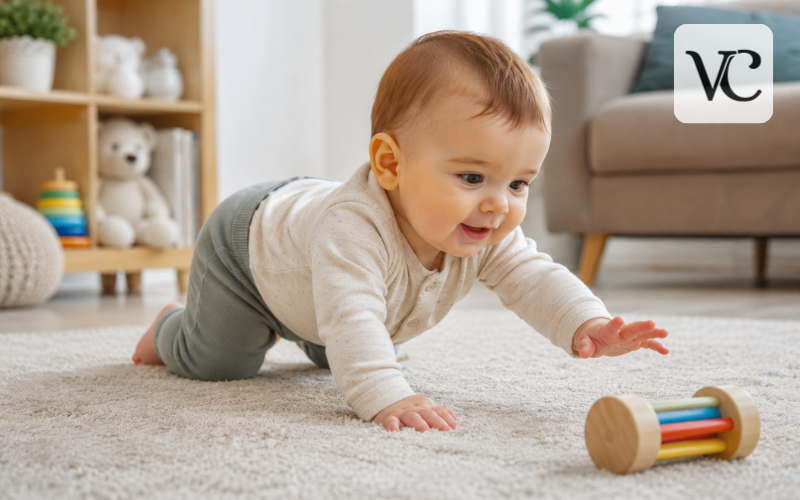
When choosing what to do at home for kids, it helps to think in three simple groups: quiet, creative, and active activities. This makes it easier to find something suitable for the child’s energy level.
For quiet time, try age-appropriate puzzles, reading, coloring, matching games, or a simple building activity. Creative options include drawing, painting, origami, making paper puppets, creating a cardboard town, or telling stories with toys. Kids who like pretend play may enjoy a home shop, restaurant, school, theatre, or dress-up game.
When children need to move, set up a safe indoor obstacle course, play follow-the-leader, dance to favorite songs, or create a treasure hunt with simple clues. Cooking can also be fun when tasks match the child’s age, such as mixing, decorating, or arranging ingredients under adult supervision.
Planting seeds, watering houseplants, or growing a small herb can introduce another hands-on activity. Keep materials simple and make safety the priority, especially with heat, sharp tools, small objects, or anything that requires close supervision.
What to Do When Bored for 10-Year-Olds at Home
Ten-year-olds are often ready for activities that feel more independent but still benefit from clear boundaries and occasional adult help. Building projects are a good starting point. They can create something with LEGO, cardboard, paper, craft supplies, or clean recyclable materials and then improve the design over time.
Story-based projects are another option. A child could make a comic, write a short story, design a mini-book, create a quiz for the family, or plan a simple stop-motion video. Safe science activities can also be interesting when an adult checks the materials and instructions first.
For practical learning, try beginner cooking or baking tasks, basic sewing with supervision, or simple plant care. An indoor movement challenge can help on high-energy days.
Screen-free choices are useful, but screens do not always have to mean passive entertainment. Purposeful digital activities such as beginner coding, digital drawing, educational research, or creating a short video can turn screen time into a project with a clear goal.
What to Do When Bored for 12-Year-Olds at Home
By age 12, many tweens want activities that feel less childish and give them more choice. Creative interests can include photography, digital art, drawing, music, writing, simple video editing, or designing something for their own room or desk.
Learning a practical skill can also make free time feel more meaningful. A 12-year-old might try a beginner coding lesson, learn a simple recipe, practice sewing, learn basic photo editing, or start caring for a plant. The goal does not have to be mastery; completing a small project is enough.
Longer challenges can be especially useful for tweens who become bored with quick activities. They could set a reading target, make an art series, build a model, create a family game, or follow an age-appropriate fitness plan.
If they enjoy games, strategy games, puzzles, and family competitions can offer more challenge than activities designed for younger children. Give them some control over the choice while keeping tools, online activity, and cooking tasks appropriate and safe.
Fun Things for Girls to Do at Home When Bored
Girls do not all enjoy the same activities, so the best ideas are based on interests rather than stereotypes. Someone who likes creating things might enjoy drawing, photography, crafts, songwriting, creative writing, decorating a small space, or making a scrapbook, journal, mood board, or memory box.
For a hands-on activity, try baking, cooking, or inventing a new snack from available ingredients. A relaxed self-care evening can be enjoyable too, but it does not need to be the main option. Reading, gaming, science projects, coding, puzzles, DIY projects, music, and learning new skills are equally suitable choices.
Movement can also change the mood. Put on music and dance, follow a gentle yoga or stretching routine, or create a simple indoor workout suited to age and ability.
If you are searching for what to do when you’re bored for girls, the most useful answer is to start with what the person actually enjoys. A good activity should feel interesting to her, not simply fit an idea of what girls are supposed to like.
What to Do at Home for Adults
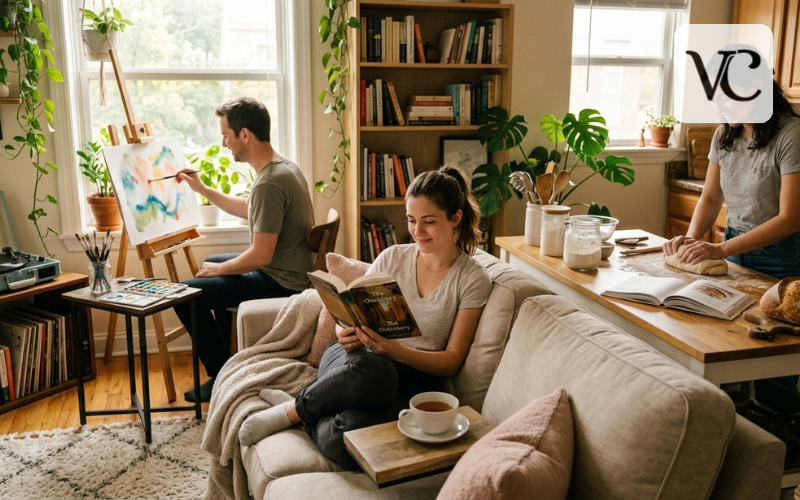
Adults often have free time at home but feel pressure to use every minute productively. That is not necessary. A useful home day can include progress, pleasure, rest, or a mixture of all three.
If you want something practical, cook a new meal, improve a favorite recipe, care for indoor plants, organize one small area, or take on a manageable decorating or repair task that matches your skills. If you have neglected a hobby, use an hour to return to reading, painting, music, gardening, photography, sewing, or anything else you once enjoyed.
For quieter time, listen to an album without multitasking, watch a documentary, plan an intentional movie night, stretch, meditate, or simply rest. Couples can cook together, play a game, plan a home date night, or work on a small shared project.
Adults who enjoy learning can take a short lesson, practice a language, improve a practical skill, or read about a subject they genuinely care about. Personal development should add interest to life, not turn every day at home into another workday.
Creative, Cooking, and Skill-Building Projects at Home
Projects are useful when you want something that produces a visible result. Before starting, consider four things: the materials you already have, the difficulty, the cost, and the time you can realistically give it.
A small indoor herb garden is a practical option if your home gets suitable light. Basil, mint, rosemary, or other herbs you regularly use can make the project feel useful as well as decorative. Creative activities can include painting, photography, knitting, sewing, paper crafts, or turning safe household items into storage or decoration.
The kitchen also offers many learning opportunities. Baking bread, cookies, or homemade pizza can teach basic techniques while giving you something to share. If cooking is not your interest, learn simple plant care, a basic household repair that is safe for your skill level, or another practical ability.
A room refresh does not require buying new furniture. Rearranging what you own, clearing visual clutter, moving artwork, or changing how a corner is used can make the space feel different without unnecessary spending.
Relaxing and Screen-Free Ways to Enjoy Time at Home
Not every free hour needs entertainment. Sometimes the most enjoyable answer to what to do at home is to choose something quiet and slow.
Read a physical book or magazine, make tea or another favorite drink, listen to music without checking messages, or sit near a window and enjoy a few calm minutes. If you have access to a balcony, yard, or safe outdoor space at home, spending time there can provide a simple change of setting.
Gentle stretching, yoga, journaling, drawing, coloring, knitting, or another repetitive craft can also create a slower pace. A warm bath or simple home-spa routine may feel like a small treat at the end of a long day.
The aim is not to turn these activities into treatments or promise that they will solve stress or other health concerns. They are simply low-pressure ways to spend time away from constant notifications, tasks, and screens.
Productive Home Resets That Feel Worth Doing
If you are in a productive mood, avoid starting with the entire house. Choose one small area where an hour of effort will make a noticeable difference. A kitchen cabinet, wardrobe section, desk drawer, pantry shelf, or bathroom storage area is usually more manageable than a full-room makeover.
Cleaning can follow the same approach. Pick one commonly overlooked but safe-to-clean area and finish it properly rather than beginning five jobs at once. Digital spaces can benefit from a reset too. Delete unnecessary photos, sort important files, organize your email, and unsubscribe from messages you no longer want.
You can also plan the practical side of the coming week. Write a simple meal plan, check upcoming errands, prepare a short household task list, or finish one job you have delayed.
Productivity should make life easier, not create guilt. If you complete one useful task and then spend the rest of the day reading or relaxing, the day has not been wasted.
Conclusion
There is no single best answer to what to do at home. The right choice changes depending on your mood, age, energy, available time, company, and what you already have around you.
Some days are perfect for cooking, creating, learning, organizing, or spending time with friends and family. Other days call for a book, some music, a quiet hobby, or genuine rest. Kids and tweens may need activities that offer movement, imagination, and safe independence, while adults may want a balance between practical tasks and downtime.
Instead of trying to make every day at home exciting or productive, choose an activity that fits the moment. A ten-minute tidy, an hour-long creative project, a family game, or an afternoon doing very little can all be worthwhile. The goal is simply to use your time in a way that feels comfortable, useful, enjoyable, or restorative for you.
FAQs
What can I do at home when I am bored?
Try cooking, reading, drawing, organizing a small space, doing a puzzle, exercising, learning a simple skill, or starting a hobby. Choose something different from your usual routine to make the time feel more interesting.
What are some free things to do at home?
You can read, exercise, rearrange a room, organize photos, journal, listen to music, draw, play cards, clean a small area, or learn something using resources you already have.
What can adults do at home for fun?
Adults can cook, garden, read, watch a movie, play games, work on crafts, exercise, learn a new skill, refresh a room, or return to a hobby they have neglected.
What can kids do at home when they are bored?
Kids can try drawing, building with blocks, treasure hunts, storytelling, puzzles, simple crafts, indoor movement games, or supervised cooking. Activities should match the child’s age, interests, and level of independence.
What can I do at home by myself?
Solo activities include reading, cooking, journaling, listening to podcasts, watching documentaries, learning a language, practicing a hobby, organizing personal files, exercising, or simply enjoying some quiet screen-free time.
Disclaimer: This article on voguecultures.co.uk is provided solely for general informational and educational purposes. The activities and ideas shared are general suggestions, and readers should consider their age, abilities, surroundings, and safety before trying them. This content does not involve guest posting, paid promotion, sponsorship, advertising, or endorsement of any product, service, or brand.
Enjoyed this article? Discover more helpful ideas and fresh inspiration on Vogue Cultures.