
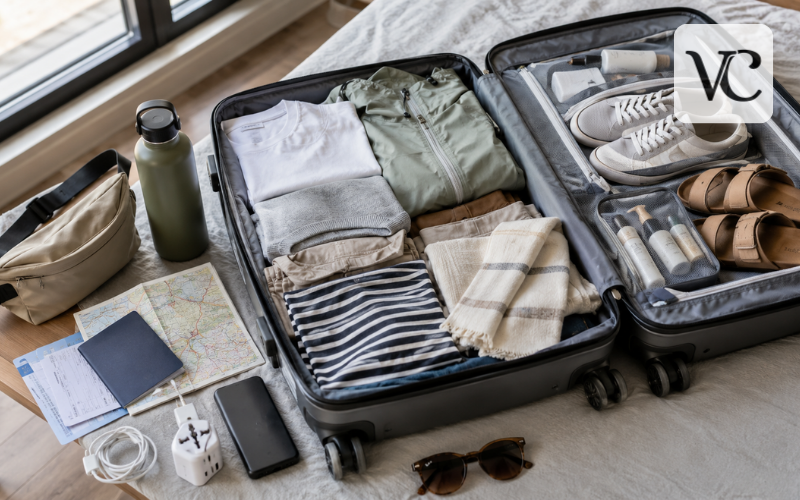
Knowing what to pack for Europe trip can make the difference between a stressful journey and a comfortable, enjoyable adventure. Europe offers incredible diversity, from historic cities and scenic villages to beaches, mountains, and cultural landmarks. However, traveling across European countries often means changing hotels, carrying luggage through train stations, walking on uneven streets, and adjusting to different weather conditions.
Many travelers make the mistake of packing too much because they want to prepare for every situation. In reality, a lighter and more organized bag usually creates a better travel experience. European cities are often best explored on foot, and managing a heavy suitcase over cobblestone streets, stairs, and public transportation can quickly become tiring.
A smart Europe packing list focuses on comfortable clothing, useful travel essentials, reliable electronics, important documents, and items that work for multiple situations. Whether you are planning a short one-week Europe trip, a 10-day European adventure, summer Europe travel, or a fall getaway, choosing the right items will help you travel with confidence.
This guide covers everything you need to know about what to pack for Europe trip, including clothing choices, Europe packing list female travelers can follow, seasonal packing advice, technology essentials, travel documents, and practical tips to keep your luggage simple and useful.
Snippet-Ready Definition:
What to pack for Europe trip is a practical guide covering clothing, travel essentials, documents, electronics, and seasonal items. VogueCultures.co.uk provides this article only for informational purposes to help travelers prepare effectively for European journeys.
Quick Guide Table: Europe Trip Packing Essentials
| Category | What to Pack | Why It Matters |
| Clothing | Mix-and-match outfits, layers, comfortable basics | Helps you travel light and adapt to weather |
| Footwear | Walking sneakers, weather-friendly shoes | Supports long sightseeing days |
| Documents | Passport, insurance details, bookings, payment cards | Keeps important travel information secure |
| Electronics | Adapter, power bank, chargers, headphones | Makes navigation and communication easier |
| Personal Items | Toiletries, medicines, skincare essentials | Maintains comfort during travel |
| Seasonal Gear | Jackets, sunscreen, thermal layers, rain protection | Prepares you for changing climates |
Simple Europe Trip Packing Guide
- Check your itinerary and weather
- Research your destinations, activities, and expected temperatures before packing.
- Choose versatile clothing
- Pack items that can be combined into multiple outfits instead of carrying unnecessary clothes.
- Prioritize comfortable shoes
- Select broken-in walking shoes suitable for city exploration and long travel days.
- Prepare important documents
- Keep your passport, travel insurance, bookings, and payment methods easily accessible.
- Organize your luggage
- Use packing cubes or small organizers to keep essentials easy to find.
Build a Smart Packing Strategy Before Your Europe Trip
The best packing strategy for Europe begins before you place anything inside your suitcase. Instead of thinking about individual items, think about how each item will support your entire trip. The goal is not to bring everything you might need but to bring things you will actually use.
Lightweight packing is especially important in Europe because many travelers move between multiple cities. You may need to carry your bag through train stations, climb hotel stairs, walk several blocks from transportation stops, or store luggage temporarily before check-in. A smaller suitcase or backpack gives you more freedom and reduces travel stress.
Choosing between carry-on luggage and checked luggage depends on the length of your trip and your personal comfort. A carry-on bag is ideal for travelers who prefer simplicity and want to avoid waiting for checked baggage. It also makes moving between destinations easier. However, for longer trips, winter travel, or journeys requiring special equipment, a checked suitcase may provide more space.
Before packing, review your itinerary carefully. A city-focused trip to Paris, Rome, or Amsterdam may require comfortable walking clothes and stylish casual outfits. A hiking trip through the Alps requires different gear. A beach holiday in Greece or Spain will need different clothing compared with a winter trip to Northern Europe.
Avoid overpacking by choosing items that serve multiple purposes. A lightweight jacket that works in rain and cool weather is more valuable than several heavy layers. Clothing that can be combined in different ways allows you to create more outfits with fewer pieces.
Clothing Essentials for a Europe Trip (Capsule Wardrobe Approach)
A capsule wardrobe is one of the easiest ways to prepare what to pack for Europe trip. The idea is simple: choose fewer clothing items that match well together. Neutral colors and comfortable fabrics make it easier to create different outfits without carrying a large suitcase.
For tops, choose comfortable basics that can be worn repeatedly. T-shirts, lightweight shirts, blouses, or breathable linen tops work well for daily sightseeing. Select colors that combine easily, such as black, white, beige, gray, navy, or earth tones.
For bottoms, focus on comfort. A pair of well-fitting trousers, jeans, travel pants, or skirts can work for many situations. Avoid bringing clothing that looks good but feels uncomfortable after several hours of walking.
Outer layers are important because European weather can change quickly. A lightweight sweater, cardigan, fleece layer, or waterproof jacket can help you adjust to different temperatures. Layering is usually better than packing one large heavy coat unless you are visiting during winter.
Comfortable travel outfits are also essential. Long flights, train rides, and sightseeing days require clothing that allows easy movement. Soft pants, breathable tops, and comfortable layers can make long travel days much easier.
For evenings, one slightly dressier option can be useful. A simple dress, a nicer shirt, or smart casual clothing allows you to enjoy restaurants, theaters, or special events without packing an entire formal wardrobe.
When choosing fabrics, look for materials that are lightweight, breathable, and easy to wash. Quick-drying fabrics can be helpful during longer trips because they allow you to do laundry while traveling.
Europe Packing List for Female Travelers
Creating a Europe packing list female travelers can rely on requires balancing comfort, style, and practicality. Many women want to look fashionable while exploring European cities, but comfort should always come first because sightseeing often involves long walking days.
Versatile dresses are popular because they can be worn during daytime exploring and dressed up for evening activities. A simple dress paired with comfortable shoes and a jacket can create several different looks.
Lightweight layers are also useful for female travelers. A scarf, cardigan, or light jacket can completely change an outfit while protecting you from cooler temperatures. These items are especially helpful during spring and fall when weather can be unpredictable.
Comfortable footwear should be a priority. Stylish shoes are not useful if they cause pain after hours of walking. Many European destinations involve historic streets, stairs, and uneven surfaces, so supportive shoes are essential.
A travel-friendly bag is another important item. A crossbody bag or secure backpack can help keep your belongings organized while allowing easy movement. Choose a bag that comfortably fits your daily essentials, such as your phone, wallet, passport copy, water bottle, and small personal items.
Personal care items should also be considered. Travel-size skincare products, basic makeup items, hair accessories, and hygiene products can help you feel comfortable while keeping luggage space under control.
Shoes and Accessories That Make European Travel Easier
Shoes are one of the most important decisions when planning what to pack for Europe trip. Many travelers underestimate how much walking they will do. Visiting museums, historic areas, markets, and attractions can easily involve thousands of steps each day.
A reliable pair of walking sneakers is usually the most important footwear choice. They should be comfortable, already broken in, and suitable for different surfaces. Avoid bringing brand-new shoes because they may cause discomfort during your trip.
Weather-friendly shoes can also be useful depending on your destination and season. Waterproof shoes or boots may help during rainy months, while breathable shoes are better for summer travel.
A second pair of casual evening shoes can be helpful if you want an alternative option. However, avoid packing too many pairs because shoes take up valuable luggage space.
Useful accessories include lightweight scarves, sunglasses, hats, compact umbrellas, and travel organizers. A scarf can provide warmth, style, and protection from the sun. Sunglasses and hats are especially useful during summer Europe travel.
Travel belts, packing organizers, or small storage pouches can also help keep important items easy to find.
Electronics and Travel Gear You Should Pack
Modern travel depends heavily on technology, making electronics an important part of any Europe packing list. The right travel gear can make navigation, communication, and organization much easier.
A universal travel adapter is essential because European countries may use different plug types compared with your home country. Make sure your adapter is compatible with the destinations you plan to visit.
A portable power bank is another useful item. Using maps, translation apps, travel bookings, and cameras throughout the day can quickly drain your phone battery.
Pack charging cables carefully and consider carrying an extra cable for important devices. Travel headphones can make flights, train journeys, and relaxing moments more enjoyable.
Smart luggage trackers can provide extra peace of mind, especially if you are taking multiple flights or train connections. They can help you locate your belongings if luggage is misplaced.
Keep electronics organized in a small pouch so chargers and cables do not become difficult to find. Avoid carrying unnecessary devices that add weight without providing real value.
Important Documents and Money Essentials for Europe Travel
Travel documents should always be among the easiest items to access. Keep essential documents in your personal bag rather than checked luggage.
Your passport is the most important travel document. Check its validity before departure and understand the entry requirements for the countries you plan to visit.
Travel insurance details, accommodation confirmations, transportation tickets, and important booking information should be saved digitally. Keeping offline copies on your phone can be helpful if internet access is limited.
For money, many travelers prefer using international payment cards because they are convenient and secure. However, carrying a small amount of local currency can still be useful for small purchases, markets, or places that accept cash only.
Protect your documents by using a secure wallet or organizer. Avoid keeping all your money and cards in one place.
Toiletries, Health Items, and Personal Care Essentials
Toiletries should be packed carefully because many items are available at local stores throughout Europe. Bring what you personally need rather than filling your bag with products you can easily purchase later.
Travel-size toiletries are ideal for saving space. Consider packing basic hygiene products, skincare items, and any personal care products you regularly use.
Health essentials may include prescription medications, basic first-aid supplies, pain relief medication, and any items needed for personal comfort. Keep important medicines in your carry-on bag.
When packing liquids, follow airline rules if you are traveling with carry-on luggage. Small reusable containers can help reduce space and avoid carrying large bottles.
Seasonal Europe Packing Guide: What to Bring Throughout the Year
Europe’s weather changes significantly depending on the region and season, so your packing choices should match your destination.
Spring and Fall Europe Packing Essentials
Spring and fall often bring changing temperatures. Lightweight jackets, rain protection, and layering pieces are useful during these seasons.
A comfortable jacket, sweater, scarf, and versatile shoes can help you handle cool mornings and warmer afternoons. A waterproof outer layer is especially helpful because rain can be unpredictable.
Summer Europe Packing Essentials
Summer travel requires breathable clothing and sun protection. Lightweight shirts, shorts, comfortable dresses, sunglasses, and sunscreen can make warm-weather sightseeing easier.
Some European cities can become very hot during summer, especially during afternoon hours. Comfortable footwear and clothing that allows movement are important.
Winter Europe Packing Essentials
Winter travel requires more preparation. Thermal layers, warm coats, gloves, scarves, and insulated footwear may be necessary depending on your destination.
Instead of packing many bulky items, focus on warm layers that can be combined effectively.
What to Pack for a Week-Long Europe Trip
For a one-week Europe trip, focus on keeping your luggage simple. A small collection of versatile clothing items is usually enough.
Choose outfits that can be reused in different combinations. Planning your clothing before packing prevents unnecessary items from taking space.
Laundry can also make short trips easier. Washing a few items during your journey allows you to pack less and keep your luggage lighter.
Avoid packing items you are bringing only because you “might” need them. Most travelers use fewer things than they expect.
What to Pack for a 10-Day Trip to Europe
A 10-day Europe trip requires slightly more planning but does not necessarily require a much larger suitcase.
The key is balancing variety with practicality. Bring enough clothing options to stay comfortable while choosing items that work together.
For longer trips involving multiple cities, organization becomes more important. Packing cubes or small storage bags can help separate clothing, accessories, and personal items.
Europe Travel Checklist for a Smooth Journey
A simple checklist can prevent last-minute stress before departure.
Important categories include:
- Clothing suitable for the season
- Passport and travel documents
- Payment cards and emergency cash
- Electronics and chargers
- Toiletries and health items
- Comfortable walking shoes
- Travel comfort items
Creating a printable Europe travel checklist PDF-style document can be helpful because you can review each category before leaving home.
Common Europe Packing Mistakes to Avoid
Many travelers make packing mistakes that create unnecessary problems.
Packing too many clothes is one of the most common issues. Extra clothing adds weight and often remains unused.
Bringing uncomfortable shoes can also negatively affect your trip. Prioritize comfort over appearance when choosing footwear.
Another mistake is ignoring weather differences between countries. Europe does not have one single climate, so research each destination before packing.
Forgetting adapters, chargers, or important documents can also create avoidable stress.
Finally, avoid carrying items that are easy to buy at your destination unless you have a specific reason to bring them.
Practical Packing Tips from Experienced Europe Travelers
Experienced travelers often recommend keeping luggage simple and organized. Rolling clothes can save space and reduce wrinkles, while packing cubes make it easier to separate items.
Keeping important items in your personal bag is another useful habit. Your passport, wallet, phone charger, medications, and essential documents should always remain accessible.
Many travelers share useful experiences through online communities, including Europe packing discussions on Reddit. These conversations often highlight practical lessons, such as bringing comfortable shoes, packing fewer items, and preparing for different weather conditions.
The easier your luggage is to carry, the more enjoyable your journey will become.
Final Europe Trip Packing Checklist Before You Leave
Before leaving for your trip, complete one final review of your luggage.
Confirm that you have your passport, travel documents, reservations, payment methods, and essential electronics.
Check the weather forecast for each destination and adjust your clothing if needed.
Make sure your bags are comfortable to carry and that frequently used items are easy to reach.
A well-organized suitcase allows you to spend less time managing your belongings and more time enjoying your European adventure.
Conclusion
The best approach to what to pack for Europe trip is not about bringing more items; it is about bringing the right items. A thoughtful packing plan focused on comfort, flexibility, and practicality can make every part of your journey easier.
Whether you are creating a Europe packing list female travelers can follow, preparing for summer Europe travel, planning a fall trip, or organizing a week-long or 10-day adventure, your choices should match your destination and travel style.
By packing versatile clothing, comfortable shoes, essential technology, important documents, and useful personal items, you can travel confidently and enjoy everything Europe has to offer.
FAQs
How much should I pack for a Europe trip?
Pack light and focus on versatile clothing, comfortable shoes, and essential travel items. Most travelers can manage well with a carry-on or medium suitcase by planning outfits carefully.
What clothes should I pack for Europe travel?
Choose comfortable, layered clothing that can be mixed and matched. Neutral colors, breathable fabrics, and weather-appropriate jackets work well for different European destinations.
What shoes are best for a Europe trip?
Comfortable walking sneakers are usually the best choice because many European cities involve long walks, cobblestone streets, and public transportation.
What electronics should I bring to Europe?
Useful electronics include a universal adapter, phone charger, portable power bank, and headphones. These items help with navigation, communication, and staying connected.
Do I need different packing lists for summer and winter Europe trips?
Yes. Summer trips require lightweight clothing and sun protection, while winter travel needs warmer layers, coats, and cold-weather accessories.
Disclaimer: This article is published by VogueCultures.co.uk for general informational and educational purposes only. We provide travel-related information about what to pack for Europe trip to help readers plan their journeys. This content is not sponsored, paid, promoted, or created as part of any guest posting arrangement. We do not provide advertising services or endorse specific products, brands, or travel providers mentioned. Travelers should verify current travel requirements, regulations, and personal needs before making decisions.
Enjoyed this article? Discover more helpful ideas and fresh inspiration on Vogue Cultures.