
A clean shower curtain helps keep your bathroom looking fresh and welcoming. However, shower curtains are constantly exposed to water, soap, shampoo, and moisture. Over time, these conditions can cause soap scum, dirt, stains, and mildew to build up, especially around the bottom edges and folds.
If you have noticed unpleasant smells, discoloured patches, or a slippery layer on your shower curtain, it may be time for a thorough cleaning. Fortunately, you do not always need expensive products or professional cleaning services to deal with these problems.
Learning how to clean a shower curtain correctly can help remove everyday buildup, improve its appearance, and extend its useful life. The best cleaning method depends on whether your curtain is made from fabric, plastic, vinyl, or another washable material.
Some curtains can go straight into the washing machine, while others need gentle hand washing. You can also clean minor stains without taking the curtain down.
This guide explains practical cleaning methods, how to deal with stubborn residue, and simple habits that can help keep your shower curtain cleaner for longer.
Snippet-Ready:
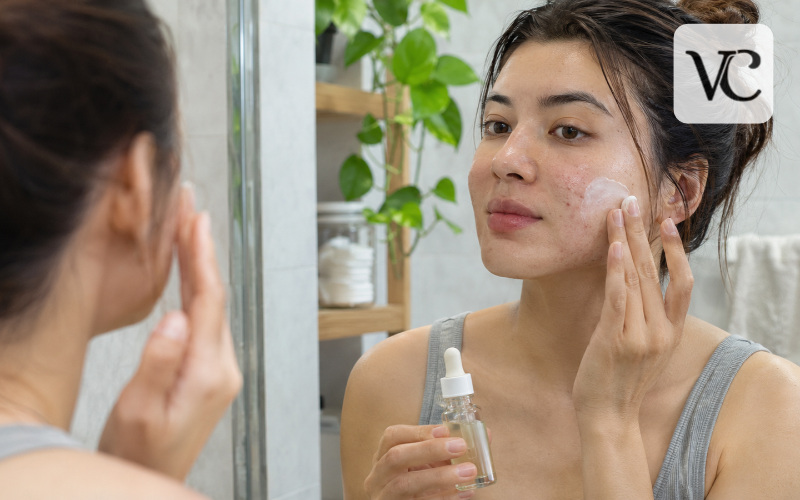
Getting rid of acne scars depends on their type. Dark marks may improve with skincare, while indented or raised scars often need professional treatment. Voguecultures.co.uk provides informational guidance about acne scars only.
Quick Guide Table: How to Get Rid of Acne Scars
| Type of Acne Scar or Concern | Recommended Treatment | Important Tip |
| Dark acne marks | Azelaic acid, retinoids, or vitamin C | Use sunscreen daily |
| Red or pink marks | Gentle skincare and dermatologist-guided treatments | Avoid irritation and picking |
| Indented or pitted scars | Microneedling, laser treatment, or subcision | Consult a dermatologist |
| Raised acne scars | Steroid injections or other specialist treatments | Avoid aggressive home remedies |
| Mild uneven skin texture | Dermatologist-recommended retinoids or procedures | Improvements take time |
| Active acne with scarring | Appropriate acne medication | Control breakouts before scar treatment |
| Acne scars on the back or body | Treatment based on scar type and location | Avoid friction and picking |
Step-by-Step Guide: How to Get Rid of Acne Scars
- Identify your scar type: Check whether you have flat dark marks, redness, indented scars, or raised scars.
- Control active acne: Treat ongoing breakouts to reduce the risk of developing additional scars.
- Cleanse gently: Use a mild, non-comedogenic cleanser and avoid harsh scrubs.
- Choose suitable skincare: Ingredients such as azelaic acid or retinoids may help fade post-acne dark marks. Seek professional advice before using strong treatments.
- Apply sunscreen daily: Use broad-spectrum SPF 30 or higher to help prevent dark marks from becoming more noticeable.
- Consider professional treatment: Consult a dermatologist about microneedling, lasers, subcision, or injections for structural scars.
- Allow time for improvement: Follow a consistent routine and avoid products promising complete scar removal within days.
Before You Start: Check Your Shower Curtain Material
Before cleaning your shower curtain, identify the material it is made from. Different materials react differently to water temperatures, cleaning products, and washing methods. Choosing the wrong approach could cause shrinking, fading, tearing, or damage to the waterproof surface.
Fabric shower curtains are commonly made from polyester or cotton. Polyester is generally easy to maintain, and many polyester curtains are machine washable. Cotton curtains may also be washable, although some can shrink when exposed to high temperatures.
Plastic shower curtains and liners often contain vinyl, PVC, PEVA, or EVA. These materials help prevent water from escaping the shower. However, they can be sensitive to heat and rough handling.
PVC is a type of vinyl plastic, while PEVA and EVA are different plastic materials frequently used in shower liners. Their cleaning requirements can vary between products.
Always check the care label before washing. It should indicate whether machine washing, hand washing, or a particular water temperature is suitable.
If the label is missing, gentle hand washing with mild detergent is generally the safer starting point, especially for plastic liners. Test any cleaning product on a small, hidden area first.
Understanding your curtain’s material makes it easier to remove dirt without shortening its lifespan.
What You’ll Need to Clean a Shower Curtain
Cleaning a shower curtain usually requires only a few everyday household supplies. You do not need a large collection of cleaning chemicals, and using too many products can sometimes make the process unnecessarily complicated.
For most washable curtains, mild laundry detergent is a useful starting point. It helps loosen soap residue, body oils, and everyday dirt. A soft sponge or microfiber cloth allows you to clean the surface without scratching or pulling at the material.
You may also need a soft brush for stubborn buildup, a bucket or bathtub for hand washing, and clean towels for certain machine-washing methods.
Baking soda can provide gentle cleaning action on some washable surfaces, although it should be tested before use. White vinegar may help dissolve mineral deposits caused by hard water, provided the curtain material and nearby surfaces are suitable.
For heavy staining, a specialist bathroom cleaner may be useful, but it must be compatible with the curtain material. Follow the product instructions rather than assuming every bathroom cleaner is safe for fabric or plastic.
Important safety precaution: Never mix chlorine bleach with vinegar, ammonia, or other household cleaners. Dangerous gases can form. Use cleaning products separately, follow their labels, and keep the bathroom well ventilated.
Once you have the appropriate supplies, you can choose a cleaning method that suits your curtain.
How to Clean a Fabric Shower Curtain in the Washing Machine
Many fabric shower curtains can be cleaned in a washing machine, making this one of the easiest ways to remove accumulated dirt and soap residue. However, always confirm that the manufacturer’s care instructions allow machine washing.
Start by removing the curtain from the shower rod. Take off the hooks or rings and check the fabric for loose threads, damaged stitching, or decorative attachments that might become damaged during washing.
Place the curtain loosely inside the washing machine. If the care label permits, you can add one or two clean bath towels. These may help loosen residue through gentle movement, but avoid adding towels to delicate curtains that could snag.
Choose a gentle washing cycle with cool or lukewarm water, depending on the care label. Add a small amount of mild laundry detergent. Using too much detergent can leave residue that makes the curtain feel stiff or attracts more dirt.
Avoid overloading the machine because the curtain needs enough space to move and rinse properly.
Once the cycle finishes, remove the curtain promptly. Check whether any visible residue remains before drying. If necessary, repeat the cleaning process using a suitable method rather than scrubbing the fabric aggressively.
Most washable fabric curtains can be hung to air dry, while some can be tumble dried according to their care instructions.
How to Clean a Plastic or Vinyl Shower Curtain Safely
Plastic and vinyl shower curtains need careful handling because they can become damaged by high temperatures, strong cleaning products, or rough scrubbing.
Unlike many fabric curtains, plastic liners are designed to create a water-resistant barrier. However, soap residue, body oils, and mineral deposits can still collect on their surfaces.
The safest cleaning method depends on the specific material and manufacturer’s instructions.
Some PVC or vinyl curtains are suitable for machine washing on a gentle cycle. Other plastic materials, including certain PEVA and EVA liners, may require hand washing.
For hand cleaning, spread the curtain over a clean bathtub surface and wipe it with a soft sponge dampened with mild soapy water. Pay attention to areas where soap residue has accumulated.
If machine washing is permitted, select a delicate cycle with cool or lukewarm water and a low spin speed. Never assume that every plastic liner can withstand machine washing.
Avoid hot water because excessive heat may soften, distort, or damage plastic materials.
After cleaning, rinse the curtain thoroughly and hang it to air dry. Do not place plastic or vinyl liners in a heated tumble dryer.
Hand-Washing a Shower Curtain and Liner
Hand washing is a practical option when your shower curtain cannot go into a washing machine or needs extra attention in certain areas.
Start by filling a clean bathtub or large basin with enough cool or lukewarm water to cover the curtain. Add a small amount of mild laundry detergent and gently move the water to distribute it.
Place the curtain into the water and allow it to soak briefly. This can help soften dried soap residue and loosen surface dirt. Avoid long soaking periods unless the material’s care instructions permit them.
Use a soft sponge or microfiber cloth to clean the curtain, working from the upper sections towards the bottom edge. Focus on folds and areas that regularly touch the bathtub.
For stubborn marks, gently rub the affected area rather than using a stiff brush or abrasive cleaning pad.
Drain the dirty water and rinse the curtain with clean water until no visible detergent remains.
Lift the curtain carefully, allowing excess water to drain away. Avoid twisting or wringing delicate fabric and plastic liners because this can cause permanent creases or tears.
Hang the curtain fully extended so air can circulate around it.
How to Clean a Shower Curtain Without Taking It Down
Sometimes your shower curtain only needs a quick clean rather than a complete wash. Cleaning it while hanging is especially useful for removing fresh soap residue or small marks.
Before starting, make sure the curtain is fully extended and positioned inside the bathtub or shower tray. This helps prevent dirty water from reaching the bathroom floor.
Prepare a small amount of mild detergent in lukewarm water. Dip a microfiber cloth or soft sponge into the solution and gently wipe the curtain’s surface.
Start near the top and work downwards. Pay particular attention to the inside surface, where shampoo, soap, and water frequently splash.
The lower edge may need more attention because it often remains wet longer than the rest of the curtain.
After wiping, use a separate clean, damp cloth to remove the detergent. Repeat until the cleaned areas are free from visible residue.
Make sure water does not collect around the floor or behind bathroom fittings.
Finally, leave the curtain spread open to dry.
This method works well for regular maintenance, but heavily soiled curtains may still need a more thorough wash.
Removing Soap Scum and Hard-Water Stains
Soap scum is one of the most common problems affecting shower curtains. It develops when soap, body oils, and minerals in water leave deposits on surfaces.
Hard water can also produce white or cloudy marks, especially near the bottom of plastic liners.
For ordinary soap scum, begin with mild detergent and warm water, provided the material allows it. Gently wipe the affected areas using a soft sponge or cloth.
If mineral deposits remain, diluted white vinegar may help on compatible materials. Test a small area first and follow the curtain manufacturer’s instructions.
Do not use vinegar on nearby natural stone surfaces, such as marble or limestone, because acidic cleaners can damage them. Protect sensitive metal finishes as well.
Allow the suitable cleaning solution a short contact time before gently wiping the residue away. Rinse the curtain thoroughly afterwards.
Baking soda can sometimes help with stubborn surface grime on durable materials. However, avoid aggressive rubbing because even mild powders can scratch or dull certain finishes.
If staining remains after cleaning, it may be permanent discolouration rather than removable dirt.
Regular rinsing and wiping can reduce the buildup of soap scum before it becomes difficult to remove.
Dealing With Mold, Mildew, and Unpleasant Smells
Shower curtains often remain damp after bathing, particularly in bathrooms with poor ventilation. These conditions can encourage mold and mildew growth.
You may notice dark spots, discoloured patches, or a musty smell around the bottom of the curtain. However, colour alone cannot reliably identify mold, as some bathroom stains come from other types of buildup.
For small affected areas on a washable curtain, begin by checking the care instructions. A suitable detergent and gentle cleaning may remove surface growth from materials that can be cleaned thoroughly.
Wear cleaning gloves, provide good ventilation, and avoid brushing dry moldy areas because this may spread particles into the air.
Some washable fabrics permit specific stain-removing products, but these should only be used according to their labels. Bleach is not necessary for routine cleaning and may damage certain fabrics or plastics.
Never combine bleach with vinegar, ammonia, acidic bathroom products, or other household cleaners.
After cleaning, rinse the curtain as directed and dry it completely. Persistent dampness can allow the problem to return.
If mold has spread widely, deeply affected a fabric curtain, or repeatedly returns despite proper cleaning and drying, replacement may be more practical.
People with asthma, mold allergies, or weakened immune systems should avoid unnecessary exposure during cleanup.
Remember that cleaning the curtain alone will not solve an ongoing moisture problem. Improving bathroom ventilation is equally important.
Cleaning Shower Curtain Rings, Hooks, and Bottom Edges
Shower curtain rings and hooks can collect dust, soap residue, and moisture even when the curtain itself looks clean. Cleaning these smaller parts helps maintain the overall appearance of your bathroom.
Remove the hooks or rings from the curtain and check their material before cleaning.
Wash suitable plastic or metal rings in a basin containing warm water and mild detergent. Use a soft cloth or an old, soft toothbrush to remove buildup from small gaps and curved surfaces.
For metal hooks, avoid prolonged soaking if the finish is damaged or likely to rust. Rinse and dry them carefully before putting them back.
The lower edge of your shower curtain also deserves attention.
This area frequently touches the bathtub, collects water, and develops stubborn residue in its folds or stitched hem.
Spread the bottom edge flat and clean it gently with a suitable detergent solution. Check both sides and rinse away loosened dirt.
If the hem contains trapped moisture, allow extra drying time before hanging the curtain normally.
How to Dry a Shower Curtain Without Damaging It
Drying your shower curtain correctly is just as important as washing it. A curtain that stays damp for long periods may develop unpleasant smells or recurring mildew.
For plastic and vinyl curtains, air drying is generally the safest option.
After washing, shake the curtain gently to remove excess water. Hang it over the bathtub or shower rod, spreading it out so the folds are not pressed tightly together.
Make sure the lower edge is not sitting in a pool of water.
Fabric curtains can also be air dried. If the care label allows tumble drying, select the recommended temperature and cycle. Some cotton curtains may shrink when exposed to excessive heat.
Avoid using heated tumble dryers for plastic liners because they can melt, shrink, or lose their shape.
Good airflow helps shorten drying time. Use a bathroom extractor fan or open a window when weather conditions allow.
Before folding or storing a spare curtain, make sure it is completely dry to prevent trapped moisture.
How Often Should You Clean or Replace a Shower Curtain?
There is no single cleaning schedule that suits every bathroom. The ideal frequency depends on how often the shower is used, the curtain material, water quality, and ventilation.
For a regularly used bathroom, checking the curtain weekly and giving the liner a thorough clean approximately once a month can be a reasonable starting point.
A fabric curtain may need washing less frequently if it stays relatively dry behind a separate liner. However, visible dirt, soap residue, or unpleasant smells are signs that cleaning should not be delayed.
Bathrooms used by several people may require more frequent attention because moisture and residue accumulate faster.
Replacement depends on the curtain’s condition rather than its age alone.
A shower curtain may need replacing when it develops tears, brittle areas, damaged waterproof surfaces, or persistent staining that cannot be removed safely.
Recurring mold that remains after appropriate cleaning and complete drying is another reason to consider replacement.
Before buying a new curtain, check whether poor airflow, leaks, or standing water contributed to the problem. Otherwise, the same issues may affect the replacement.
Simple Habits to Keep Your Shower Curtain Clean Longer
Keeping a shower curtain clean becomes easier when you develop a few simple habits after bathing.
One useful practice is spreading the curtain out across the shower rod instead of leaving it bunched together. This exposes more of the surface to circulating air and reduces moisture trapped between folds.
After showering, rinse away visible shampoo and soap residue, especially from the inside surface and lower edge.
If water collects along the bottom, gently shake it off or wipe the area with a clean cloth.
Bathroom ventilation also plays an important role. Run the extractor fan during and after showering, or open a window when practical.
Check that the curtain hangs inside the bathtub while showering but does not remain submerged in standing water afterwards.
Small areas of buildup can be removed with mild detergent before they become stubborn stains.
It is also worth checking curtain hooks and the shower rod occasionally for grime or rust.
These habits will not eliminate the need for regular washing, but they can reduce unnecessary buildup and help your curtain stay in better condition.
Conclusion
Knowing how to clean a shower curtain makes bathroom maintenance easier and helps prevent everyday dirt, soap scum, and moisture-related problems from becoming difficult to manage.
The most important step is choosing a cleaning method that matches your curtain material. Many fabric curtains can be machine washed, while some plastic and vinyl liners require careful hand washing.
Using mild cleaning products, following care labels, and allowing the curtain to dry thoroughly can help protect its appearance and useful life.
Regular cleaning also works best alongside good bathroom ventilation and simple daily habits.
With the right care, you can keep your shower curtain looking fresh, reduce unpleasant smells, and maintain a cleaner, more comfortable bathroom without unnecessary expense or complicated cleaning routines.
Frequently Asked Questions
Can acne scars completely disappear?
Some flat acne marks fade naturally over time, while deeper scars may remain visible. Professional treatments can significantly improve certain scars, but complete removal is not always possible. Results depend on scar type.
How can I get rid of acne scars at home?
At-home skincare may help improve dark marks left by acne. Consider suitable products containing azelaic acid or retinoids, use sunscreen daily, and avoid picking your skin. Deep scars usually require professional treatment.
What is the fastest way to get rid of acne scars?
The fastest suitable treatment depends on the scar type. Dermatologists may recommend lasers, microneedling, fillers, or other procedures for structural scars. Most treatments require healing time, and some need multiple sessions.
Can I remove acne scars naturally in one week?
Deep acne scars cannot reliably disappear naturally within one week. Flat discoloured marks also usually take longer to fade. Gentle skincare, sun protection, and avoiding irritation support gradual improvement without unrealistic expectations.
How can teenagers get rid of acne scars safely?
Teenagers should focus on controlling active acne, using gentle skincare, and wearing sunscreen. A dermatologist can recommend age-appropriate treatments for persistent marks or scars. Avoid harsh home remedies and unsupervised procedures.
Disclaimer: This article on how to get rid of acne scars is published by voguecultures.co.uk solely for general educational and informational purposes. It does not provide medical advice, diagnosis, or treatment recommendations tailored to any individual. Acne scars differ in type and severity, and treatment results vary. Readers should consult a qualified dermatologist before starting prescription skincare, chemical peels, laser treatments, microneedling, or other medical procedures. This article is intended purely for information sharing. It does not contain guest posting, paid promotion, sponsored recommendations, advertising, or commercial endorsements. No skincare product, treatment, or procedure is guaranteed to remove acne scars completely.
Enjoyed this article? Discover more helpful ideas and fresh inspiration on Vogue Cultures.