
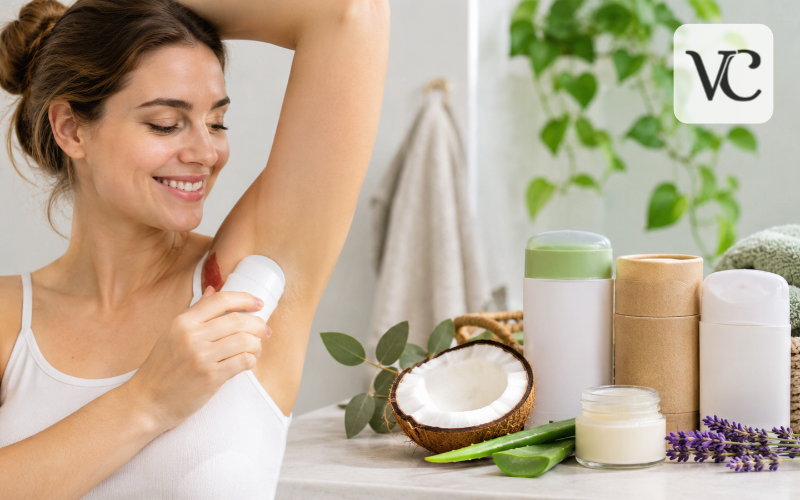
Finding the best natural deodorants can be challenging when every brand promises freshness, comfort, and long-lasting protection. Some products smell wonderful but struggle with body odour, while others control unwanted smells yet leave the underarms feeling irritated.
Natural deodorants have become popular among people who prefer aluminium-free personal care products or want alternatives to traditional antiperspirants. They often contain ingredients such as magnesium compounds, plant starches, coconut oil, and other substances designed to manage odour and absorb some moisture.
However, natural deodorants do not usually stop sweating. Instead, they help manage the unpleasant smell that develops when sweat interacts with bacteria on the skin.
The right choice depends on several factors, including your skin sensitivity, daily activities, fragrance preferences, and how much you sweat. A formula that works comfortably for one person might cause irritation or provide insufficient protection for another.
This guide compares popular natural deodorants, explains their ingredients, and offers practical advice to help you choose a product that suits your everyday routine.
Snippet-Ready Definition:
The best natural deodorants help manage underarm odour using ingredients suited to different skin types. Voguecultures.co.uk provides general information only about natural deodorants, their ingredients, benefits, limitations, and everyday use.
Quick Guide: Best Natural Deodorants Comparison Table
| Your Need | Natural Deodorant to Consider | What to Know |
| Everyday odour control | Native Deodorant | Convenient stick with various fragrances |
| Premium fragrance | Salt & Stone | Distinctive scents; check for baking soda |
| Sensitive skin | Little Seed Farm Unscented | Baking-soda-free cream without added fragrance |
| Refillable packaging | Wild or Fussy | Reusable cases and sensitive-skin options |
| Active lifestyle | AKT Deodorant Balm | Balm texture with absorbent ingredients |
| Acid-based odour control | Kosas Chemistry AHA | Uses exfoliating acids that may irritate sensitive skin |
| Aluminium-free choice | Selected Native, Wild, or Fussy formulas | Check the current ingredient label |
Simple Steps to Choose the Best Natural Deodorant
- Identify your skin type: Choose a gentler formula if your underarms are easily irritated.
- Check the ingredients: Look for suitable odour-control ingredients and avoid known irritants.
- Consider fragrance: Choose scented or fragrance-free products according to your preferences.
- Select the application type: Compare sticks, sprays, roll-ons, and creams for everyday convenience.
- Compare prices: Check product size, refill costs, and UK availability before purchasing.
- Test carefully: Follow application instructions and stop using products that cause persistent irritation.
Natural Deodorant vs Antiperspirant: Understanding the Difference
Natural deodorants and antiperspirants serve different purposes, although both are commonly used to manage underarm freshness.
A deodorant mainly controls body odour. It may contain ingredients that help limit odour-causing bacteria, reduce unpleasant smells, or absorb a small amount of moisture. Fragrance is sometimes added to provide a pleasant scent.
An antiperspirant works differently. It typically contains aluminium-based compounds that temporarily reduce the amount of sweat reaching the skin’s surface. This makes antiperspirants more suitable for people whose main concern is excessive sweating.
The word “natural” can also be confusing. There is no single universally accepted definition for natural deodorants, and manufacturers may use different standards when describing their products.
Some formulas contain mostly plant-derived ingredients, while others combine natural materials with carefully selected manufactured ingredients.
Neither category is automatically better or safer. Conventional antiperspirants are considered safe for normal use, and natural ingredients can sometimes cause skin irritation.
If your priority is odour control rather than remaining completely dry, an aluminium-free deodorant may be worth considering.
Best Natural Deodorants Worth Considering
Several well-known brands offer natural or aluminium-free deodorants with different ingredients, textures, and fragrance options.
The following products are worth comparing based on their formulations and practical features. They are not presented as independently tested performance winners.
Native Deodorant: Native offers convenient sticks in several fragrances. Its updated standard formula uses ingredients including magnesium oxide and tapioca starch and is advertised as baking-soda-free. Older versions may differ, so checking the packaging is important.
Salt & Stone Natural Deodorant: This premium brand offers distinctive fragrances and skin-conditioning ingredients. Its regular stick contains baking soda, while selected gel formulas are baking-soda-free.
Wild Refillable Deodorant: Wild combines a reusable case with replaceable deodorant refills. Its formulations contain ingredients such as tapioca starch and magnesium hydroxide, with a separate baking-soda-free sensitive range.
Fussy Refillable Deodorant: Fussy offers refillable sticks with multiple fragrance choices. Its regular formula contains bicarbonate of soda, while the Sensitive Skin range avoids it.
AKT Deodorant Balm: AKT uses a cream-like balm containing absorbent powders, shea butter, and other ingredients. It comes in scented and unfragranced options, but even its unfragranced formula contains baking soda.
Little Seed Farm Deodorant Cream: The unscented cream contains magnesium hydroxide, tapioca powder, and jojoba oil. It avoids baking soda and added essential oils but requires application with your fingers or a scoop.
Kosas Chemistry AHA Deodorant: Kosas offers an acid-based serum deodorant containing mandelic and shikimic acids. Its roll-on format provides an alternative to traditional sticks, although acidic formulas can irritate some skin types.
Natural Deodorant Comparison Table
| Deodorant | Skin suitability | Fragrance options | Approximate price | UK availability |
| Native | Standard and sensitive formulas | Multiple, including unscented | $14 | Limited; mainly imported |
| Salt & Stone | Regular and baking-soda-free gel | Premium scented options | £20 | Widely available |
| Wild | Regular and sensitive ranges | Various scents | From around £15 for a starter set | Widely available |
| Fussy | Regular and sensitive ranges | Scented and unscented | Around £12–£15 for a starter set | Widely available |
| AKT | Different fragrance options; contains baking soda | Scented and unfragranced | £21 | Available |
| Little Seed Farm | Unscented, baking-soda-free option | Scented and unscented | $14.99 in the US; UK imports cost more | Limited |
| Kosas Chemistry AHA | Baking-soda-free; acids may irritate | Scented and fragrance-free | £16 | Available |
Prices are indicative as of November 2026 and may change with retailer, product size, promotions, and availability.
These options show why choosing a deodorant based on ingredients and individual needs is more useful than relying on popularity alone.
Best Natural Deodorants for Women and Men
Many deodorants are marketed separately to women and men, but their ability to control odour is not determined by gender.
The best natural deodorants for women often appeal to shoppers seeking gentle textures, pleasant fragrances, or formulas suitable for sensitive skin.
Products such as Wild, Fussy, and Salt & Stone offer several scent choices, including floral, fresh, and woody fragrances. Someone with easily irritated underarms may prefer an unscented alternative.
When considering the best natural deodorants for men, practical factors such as ease of application, scent preference, and comfort during physical activity may be more important than the label.
AKT’s balm format and Native’s traditional sticks may appeal to people who prefer straightforward daily application.
For anyone experiencing stronger body odour, the deodorant’s active ingredients deserve more attention than whether it is marketed to women or men.
Ultimately, skin comfort and reliable odour control matter more than gender-specific packaging.
Best Natural Deodorants for Smelly Armpits
Underarm odour develops when substances in sweat interact with bacteria living naturally on the skin. Sweating itself does not always produce an unpleasant smell.
When searching for the best natural deodorant for smelly armpits, look beyond strong fragrances. A powerful scent may temporarily cover an unpleasant smell without controlling its cause.
Ingredients such as magnesium hydroxide and zinc ricinoleate can help manage odour. Certain acid-based deodorants also aim to create conditions less favourable to odour-producing bacteria.
Kosas Chemistry AHA is one option to consider if you prefer an acid-based formula. Wild and Fussy provide different stick formulations that may suit everyday odour control.
Women experiencing persistent underarm odour can consider the same ingredients. Hormonal changes, physical activity, clothing, and individual body chemistry may influence how noticeable odour becomes.
Regular washing, thoroughly drying the underarms, and changing sweaty clothing can also help.
If body odour suddenly changes, becomes unusually strong, or continues despite appropriate self-care, speak with a healthcare professional rather than relying on stronger deodorants alone.
Best Natural Deodorants for Sensitive Skin
Sensitive underarms need careful attention because even products described as gentle can contain irritating ingredients.
Baking soda, also called sodium bicarbonate, is a common ingredient in natural deodorants. Although it can help control odour, its alkaline nature may cause irritation in some people.
Fragrances and essential oils can also trigger itching, redness, burning, or contact dermatitis.
The best natural deodorants for sensitive skin generally prioritise simple formulations and avoid ingredients that have previously caused reactions.
Little Seed Farm’s Unscented Deodorant Cream is one option because it contains no added essential oils or baking soda. Wild and Fussy also offer baking-soda-free ranges.
Kosas provides a fragrance-free option, although its exfoliating acids may still be unsuitable for highly reactive skin.
Before regular use, check the complete ingredient list and test the product on a small area of intact skin according to its directions.
Avoid applying deodorant to broken, inflamed, or freshly irritated underarms.
If redness, persistent itching, or a rash develops, stop using the product. Seek medical advice if symptoms are severe or do not improve.
Choosing a Deodorant Without Aluminium and Parabens
Many shoppers look for the best deodorant without aluminum and parabens because they prefer products with particular ingredient profiles.
Aluminium compounds are commonly used in antiperspirants to reduce sweating. Most aluminium-free deodorants focus on managing odour instead.
Parabens are preservatives that may be included in certain personal care products to help prevent microbial growth. A paraben-free label indicates that these ingredients are not used, but it does not automatically make a product safer.
It is also important to understand that some mineral crystal deodorants contain potassium alum. This ingredient includes aluminium, even though it differs from the compounds commonly used in antiperspirants.
Consumers should therefore check the actual ingredient list rather than assuming every mineral or natural deodorant is completely aluminium-free.
Current scientific evidence does not establish that normal deodorant or antiperspirant use causes breast cancer.
Choosing aluminium-free or paraben-free products is a personal preference, not a medical necessity for everyone.
The most useful approach is to select a product that meets your preferences while remaining comfortable and suitable for your skin.
Salt & Stone Natural Deodorant: What Makes It Different?
Salt & Stone natural deodorant stands out for its fragrance-focused approach and premium presentation.
The brand offers scents such as Santal & Vetiver and other combinations featuring woody, fresh, or floral notes. This makes it appealing to people who enjoy a deodorant that also provides a noticeable personal fragrance.
Some formulas contain ingredients such as tapioca starch, magnesium hydroxide, plant extracts, and skin-conditioning oils.
However, not every Salt & Stone deodorant has the same formula.
The regular Santal & Vetiver stick contains baking soda, which may be uncomfortable for sensitive underarms. The brand also offers a baking-soda-free gel alternative.
The gel may appeal to people concerned about chalky residue, while the standard stick provides a more familiar application experience.
At approximately £20 for a full-size product, Salt & Stone is more expensive than many basic supermarket deodorants.
It may suit fragrance enthusiasts who are comfortable paying more, but its scent and appearance do not guarantee better odour protection for everyone.
Natural Deodorant Ingredients That Really Matter
Understanding ingredients makes choosing natural deodorants considerably easier.
Magnesium hydroxide is widely used in baking-soda-free formulas. It helps manage odour without relying on a strong fragrance to cover unwanted smells.
Baking soda can also reduce odour, although some users experience dryness, redness, or discomfort.
Zinc ricinoleate is another deodorising ingredient that helps capture certain odour-producing substances.
Plant-based powders such as tapioca starch, rice starch, and arrowroot absorb some surface moisture. However, they do not stop sweat production like antiperspirants.
Some formulas contain alpha hydroxy acids, commonly called AHAs. Ingredients such as mandelic acid can change the skin’s surface conditions and may help reduce odour. They can also cause stinging, particularly on freshly shaved skin.
Shea butter, jojoba oil, and similar ingredients are often included to improve texture and skin comfort.
Fragrance-free products may be suitable for people who react to perfumes, but they are not guaranteed to be irritation-free.
No single ingredient works perfectly for everyone. The complete formulation and individual skin response are what matter.
Sticks, Roll-Ons, Sprays, and Balms: Which Is Better?
Natural deodorants come in several formats, and each offers a different application experience.
Stick deodorants are convenient, portable, and familiar. Products from Native, Wild, and Fussy can be applied directly without using your hands.
Roll-ons and serum deodorants feel lighter for some users but may need additional drying time. Kosas Chemistry AHA is an example of this format.
Sprays can be useful when you want quick application without rubbing a product onto the skin. However, some sprays contain alcohol or fragrance that may irritate sensitive underarms.
Creams and balms allow you to control how much product you apply. AKT and Little Seed Farm use this approach, although application can feel messier than using a stick.
Powder-rich formulas may leave visible marks on dark clothing, while some richer creams can transfer before they absorb.
There is no universally superior format. Choose the one that fits your routine and feels comfortable enough to use consistently.
How to Choose the Right Natural Deodorant for Your Needs
Selecting the right deodorant starts with understanding what you want it to achieve.
If skin sensitivity is your biggest concern, begin by looking at baking-soda-free and fragrance-free options.
If strong body odour is the main issue, consider products containing recognised deodorising ingredients rather than selecting the strongest perfume.
For people who exercise regularly, ease of reapplication and comfort during sweating may be especially important.
Budget also deserves attention. Refillable deodorants can have a higher initial cost but may become more economical when replacement refills are purchased.
Compare product sizes, subscription terms, delivery charges, and the cost of regular use.
Read independent customer reviews carefully, especially comments about irritation, staining, and application. Remember that personal experiences are subjective.
Be cautious of promises suggesting that one deodorant will provide perfect protection for everyone or permanently eliminate body odour.
The best natural deodorant is ultimately one that provides satisfactory freshness, suits your skin, and fits comfortably into your daily life.
How to Apply Natural Deodorant for Better Results
Using natural deodorant correctly can make a noticeable difference to how comfortable and effective it feels.
Start with clean underarms and follow the manufacturer’s application instructions. Most sticks and roll-ons are designed for use on dry skin, although some creams have different directions.
Avoid applying excessive amounts. More product does not necessarily provide better protection and can increase residue or transfer onto clothing.
If you shave your underarms, allow any irritation to settle before applying products containing fragrance, baking soda, or exfoliating acids.
Give the deodorant time to settle before dressing, particularly when using a cream or wet roll-on.
On hot days or after exercise, you may need to wash, dry, and reapply the product.
Keeping clothing clean and choosing breathable fabrics can also improve everyday freshness.
If a deodorant repeatedly causes staining, discomfort, or inadequate odour control, changing the formula may be more helpful than applying additional layers.
Switching to Natural Deodorant: What to Expect
Moving from an antiperspirant to a natural deodorant can change how your underarms feel throughout the day.
Because most natural deodorants do not prevent sweating, you may notice more moisture after switching. This does not necessarily mean your body is producing more sweat than before.
Some people also notice stronger odour initially, particularly if their previous antiperspirant provided substantial sweat reduction.
You may hear claims that your underarms need two to four weeks to detox. However, there is no reliable scientific evidence supporting a compulsory deodorant detox period.
Your body does not need to release stored toxins through your underarms when you stop using antiperspirant.
Rather than waiting through weeks of irritation or unpleasant odour, pay attention to how your skin responds.
If a product does not control odour adequately, try a different formulation or return to an antiperspirant if sweat reduction is important.
Persistent itching, burning, or redness should not be treated as a normal adjustment.
Finding a suitable product sometimes takes experimentation, but comfort should remain a priority.
Conclusion
The best natural deodorants are not necessarily the most expensive, strongly scented, or popular products. The right choice depends on your skin, odour concerns, ingredient preferences, and daily activities.
Brands such as Native, Salt & Stone, Wild, Fussy, AKT, Little Seed Farm, and Kosas provide different approaches to underarm care.
For sensitive skin, examining the ingredient list is especially important. For stronger body odour, focus on deodorising ingredients and realistic performance expectations.
Remember that natural deodorants primarily manage smell rather than prevent sweating. They are a personal care option, not an essential replacement for conventional antiperspirants.
Choosing thoughtfully, following application directions, and responding to your skin’s needs can help you maintain a comfortable and practical freshness routine.
Frequently Asked Questions
What is the best natural deodorant for everyday use?
The best natural deodorant depends on your skin and odour concerns. Native, Wild, and Fussy offer convenient everyday options, but checking the ingredients and choosing a comfortable formula is more important than brand popularity.
Do natural deodorants actually work for body odour?
Yes, natural deodorants can help manage body odour by using ingredients that reduce or neutralise unwanted smells. However, their effectiveness varies between individuals, and most do not reduce sweating like antiperspirants.
Which natural deodorant is best for sensitive skin?
Baking-soda-free and fragrance-free deodorants may be better choices for sensitive skin. Little Seed Farm’s unscented cream and selected Wild or Fussy sensitive formulas are worth considering, although individual reactions can still occur.
Are natural deodorants better than regular antiperspirants?
Neither is automatically better. Natural deodorants mainly manage odour, while antiperspirants reduce sweating. The right choice depends on whether you prioritise odour control, moisture reduction, ingredient preferences, or skin comfort.
Can natural deodorants cause irritation or dark underarms?
Some natural deodorants contain baking soda, fragrances, or essential oils that may irritate sensitive skin. Repeated inflammation can sometimes contribute to dark marks. Stop using products that cause persistent burning, itching, or redness.
Disclaimer: This article on Voguecultures.co.uk is published strictly for general informational and educational purposes. It is not a guest post, sponsored article, paid promotion, or advertisement. Product names are mentioned only to help readers understand and compare natural deodorant options, not as endorsements. Individual results may vary, and product ingredients, prices, and availability can change. This content does not replace professional medical or dermatological advice.
Enjoyed this article? Discover more helpful ideas and fresh inspiration on Vogue Cultures.