
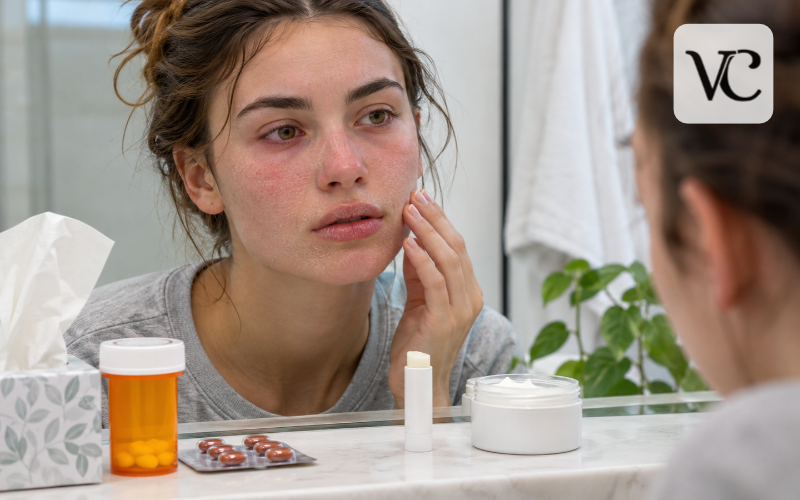
Accutane is a name many people still use for isotretinoin, a prescription medicine for severe acne. It can be particularly helpful when acne causes painful lumps, leaves scars, or has not improved with other treatments. The original Accutane brand was withdrawn from the US market, but isotretinoin remains available under other names. In the UK, one familiar name is Roaccutane.
Understanding Accutane side effects matters before starting treatment. Some people experience little more than dry lips and skin, while others develop symptoms that need a doctor’s attention. The medicine can also affect blood test results, mood, and pregnancy safety. Most everyday effects improve after treatment, but some reported problems may continue. Knowing what to expect helps patients spot changes early instead of either ignoring them or worrying unnecessarily.
Snippet-Ready:
Accutane side effects can include dry skin, chapped lips, and rare serious health complications. voguecultures.co.uk is only providing information about the keyword and article “accutane side effects” and nothing else.
Accutane Side Effects: Quick Guide Table
| Possible Problem | What to Check | Recommended Action |
| Dry lips and peeling skin | Cracking, redness, or irritation | Use gentle moisturiser and protective lip balm. |
| Dry eyes and nosebleeds | Eye discomfort or frequent nasal bleeding | Ask about lubricating eye drops and saline nasal spray. |
| Muscle and joint pain | Persistent aches or unusual weakness | Reduce strenuous activity and consult your doctor. |
| Mood or behaviour changes | Depression, anxiety, or unusual thoughts | Stop the medicine and seek prompt medical advice. |
| Liver or cholesterol changes | Blood test results | Attend scheduled tests and follow medical instructions. |
| Severe headaches or vision changes | Persistent headache, vomiting, or blurred vision | Stop the medicine and seek urgent medical assessment. |
| Pregnancy exposure | Pregnancy or suspected pregnancy | Stop isotretinoin immediately and contact your prescriber urgently. |
Simple Steps to Manage Common Accutane Side Effects
- Keep skin moisturised: Apply a gentle, fragrance-free moisturiser regularly to reduce dryness and irritation.
- Protect your lips: Use petroleum jelly or a suitable lip balm throughout the day.
- Use daily sun protection: Choose broad-spectrum SPF 30 or higher and avoid unnecessary sun exposure.
- Care for dry eyes and nose: Ask a pharmacist or clinician about suitable artificial tears and saline nasal sprays.
- Avoid irritating products: Stay away from harsh scrubs, waxing, and strong acne treatments unless your dermatologist approves.
- Attend medical appointments: Complete recommended blood tests and report new or worsening symptoms promptly.
Accutane for Acne How It Works and Why Side Effects Happen
Isotretinoin belongs to a group of medicines called retinoids, which are related to vitamin A. It reduces the amount of oil made by the skin’s oil glands. This helps prevent blocked pores and lowers some of the processes that drive deep, inflamed acne. Unlike a cream applied to one area, the medicine works throughout the body.
That whole-body action helps explain why dryness can affect the lips, eyes, and nose as well as the face. Side effects are not identical for everyone. A person’s dose, length of treatment, health history, other medicines, and sensitivity can all make a difference.
A dermatologist chooses a treatment plan after weighing acne severity against possible risks. A lower dose may improve tolerability for some patients, but it can also change how long treatment takes. Changing the amount yourself is not a safe way to manage symptoms.
Common Accutane Side Effects on the Skin, Lips, Eyes, and Nose
Dryness is among the most familiar Accutane side effects. Lips may become cracked, sore, or flaky, sometimes making eating or smiling uncomfortable. Skin can feel tight after washing, peel around the mouth, or become itchy and irritated. Even someone whose skin was previously oily may suddenly need a richer moisturiser.
The eyes can also feel gritty or unusually dry. Contact lenses may become uncomfortable, and some patients notice changes in vision. Mild dryness deserves attention, but blurred vision or worsening eyesight should not be dismissed as an ordinary inconvenience.
Accutane side effects involving the nose include dry inner passages and nosebleeds. Delicate nasal tissue can crack more easily when moisture levels fall. Frequent or heavy bleeding should be discussed with a clinician.
Skin may react more strongly to sunshine, so sunburn can happen more easily. These common effects are often manageable, but cracked skin, eye pain, or repeated nosebleeds still deserve advice if basic care does not help.
When Accutane Side Effects Start and How They Change
Dry lips and skin can appear within the first few weeks, although the exact timing varies. Some patients notice changes soon after their first doses; others have a gradual increase in dryness. Symptoms may become more noticeable when a dermatologist raises the dose.
Acne can temporarily look worse early in treatment. This is sometimes called an initial flare or “purging,” but it does not happen to everyone. A painful or sudden flare should be reported, especially if new deep spots appear or scarring seems likely. It should not simply be accepted as proof that the medicine is working.
Many common symptoms settle after the course ends, but improvement is not immediate for everyone. Avoid relying on a fixed timeline found online. Regular follow-ups allow the treatment plan to reflect what is actually happening to your skin and overall health.
Other Physical Side Effects That Patients May Notice
Isotretinoin may cause aching muscles, stiff joints, and lower back pain. Someone who runs, lifts weights, or plays sports may notice discomfort during activity or afterwards. Mild aches are often manageable, but severe pain, weakness, or unusual dark urine requires urgent medical advice because rare muscle damage can occur.
Some people also report temporary hair shedding or thinning. Hair often improves after treatment, although recovery can vary and persistent changes have been reported. It is worth checking other possible explanations, including stress or nutritional problems, rather than automatically blaming the medicine.
Tiredness and headaches can occur, but they are not specific to isotretinoin. A new severe or persistent headache, particularly with sickness or visual changes, needs urgent assessment. Reduced night vision is another recognised risk. Anyone noticing difficulty seeing in dim light should stop driving at night and seek prompt advice. New hearing problems or significant physical symptoms also need medical attention.
Accutane Side Effects on Mental Health and Emotional Well-Being
Questions about Accutane side effects on mental health deserve a careful answer. Depression, anxiety, irritability, behaviour changes, and, rarely, more serious psychiatric symptoms have been reported during isotretinoin treatment. However, reports alone do not prove that the medicine caused every episode.
Large studies have not shown an overall increase in psychiatric disorders or suicide among people prescribed isotretinoin. Severe acne itself can affect confidence and emotional health, making the relationship difficult to untangle. These findings do not mean that an individual’s new symptoms should be ignored.
Patients should tell their prescriber about any mental health history before treatment and speak openly during follow-up visits. Family members or trusted friends may notice changes that are easy to miss personally. If significant depression, unusual behaviour, or thoughts of self-harm develop, stop taking the medicine and contact a healthcare professional urgently. If someone is in immediate danger, seek emergency help straight away. Monitoring matters even when treatment appears to be helping the acne.
Accutane Side Effects in Males and Teenage Boys
Most Accutane side effects in males are the same as those experienced by other patients: dry lips, irritated skin, back pain, and possible changes in blood tests. There is no separate set of side effects that every male patient should expect.
Some males have reported reduced sexual desire, erection difficulties, or other sexual-function changes. The reasons are not fully understood, and these problems can have causes unrelated to isotretinoin. A patient should discuss new symptoms rather than feel embarrassed or assume they will disappear.
For teenage males, joint and muscle pain may be especially noticeable during sports. Rare bone-related problems, including effects on growth plates, are also recognised in safety information. They are not typical outcomes of a standard acne course, but a growing teenager with persistent bone pain or limited movement needs assessment. In the UK, updated 2026 rules still require careful assessment and monitoring for under-18s, even though a second prescriber’s approval is no longer routinely required.
Accutane Side Effects in Females
Common Accutane side effects in females include dry skin, chapped lips, eye irritation, and sometimes hair shedding, just as in other patients. Some people report changes in their menstrual cycle, but a missed or irregular period should not automatically be attributed to the drug.
Reported sexual concerns include reduced desire, genital dryness, and difficulty with sexual satisfaction. Evidence about how often these occur and why remains limited. A clinician can help consider other medical or personal factors and assess symptoms that persist.
The most important additional safety issue is pregnancy potential. Isotretinoin is dangerous to an unborn baby, regardless of whether the person taking it has obvious side effects. Pregnancy testing and contraception rules are therefore central parts of prescribing for patients who can become pregnant. People who are breastfeeding should also avoid isotretinoin; it is generally not recommended.
Pregnancy Risks and Essential Accutane Safety Precautions
Isotretinoin must not be taken during pregnancy. Exposure can cause severe birth defects and pregnancy loss, and taking even a small amount is not considered safe. This is a proven danger, not simply a possible cosmetic or temporary side effect.
People who can become pregnant need to follow a strict pregnancy-prevention plan. In the UK, the Pregnancy Prevention Programme includes pregnancy assessment, suitable contraception, and supervised testing based on individual circumstances. Contraception is generally required before treatment, throughout the course, and for at least one month afterwards. Patients should follow the precise instructions given by their prescriber rather than choose their own exceptions.
In the United States, isotretinoin is supplied through the iPLEDGE safety programme, which requires registration and pregnancy-related safeguards. The FDA approved changes to some testing procedures in 2026, with implementation planned for November 15, so patients should follow the current instructions provided by their registered prescriber and pharmacy.
If pregnancy is suspected while taking isotretinoin, stop the medicine immediately and contact the prescribing team urgently. Do not wait for the next routine appointment. Isotretinoin must also never be shared with another person, and blood donation is restricted during treatment and for one month after it ends.
Serious Accutane Side Effects That Should Never Be Ignored
Not every concerning effect can be felt. Isotretinoin can raise triglycerides and cholesterol or change liver blood tests. These changes are often discovered through monitoring, but significant abnormalities may require a different dose or stopping treatment under medical supervision.
Certain symptoms need immediate attention. A severe, persistent headache with blurred vision, nausea, or vomiting may signal raised pressure around the brain. Severe abdominal pain, especially with vomiting, may indicate inflammation of the pancreas. Yellow skin or eyes, very dark urine, or unusual bleeding can suggest other serious problems.
Severe diarrhoea or blood in the stool also needs urgent assessment, although these symptoms do not automatically mean isotretinoin caused bowel disease. A spreading blistering rash, peeling skin, or painful sores can signal a severe skin reaction. Swelling of the tongue or throat, or difficulty breathing, is a medical emergency.
For serious warning signs, stop taking isotretinoin and seek urgent medical assessment rather than waiting for a scheduled check-up. For breathing difficulty or immediate danger, call emergency services.
Can Accutane Side Effects Continue After Treatment?
For many patients, chapped lips, dry skin, and general irritation improve after the final dose. Some effects fade over several weeks rather than overnight. Follow-up may still be necessary if blood results have changed or symptoms remain troublesome.
There have been reports of longer-lasting dry eyes, hair changes, sexual difficulties, and other symptoms. Their frequency and causes are not equally well established. Some are recognised in medication safety information, while for others it is difficult to separate the effects of treatment from unrelated conditions.
A patient with ongoing symptoms deserves a proper medical assessment, not a blanket promise that everything will resolve. The timing, severity, and other possible causes all matter.
People searching for Accutane side effects on Reddit may find personal stories reassuring or frightening. Such accounts can highlight questions worth asking, but they cannot establish how common a risk is or predict an individual’s outcome. Medical guidance and a personal clinical review are more reliable for making decisions.
Practical Ways to Manage Common Accutane Side Effects
A simpler skincare routine is often the most comfortable choice. Wash with a gentle, fragrance-free cleanser and lukewarm water, avoiding rough cloths and harsh scrubs. Apply a non-comedogenic moisturiser while the skin is still slightly damp. A plain, protective lip balm or petroleum jelly can help reduce cracking when used regularly.
For dry eyes, ask a pharmacist or eye-care professional about suitable lubricating drops. If contact lenses are uncomfortable, glasses may be easier for a while. A saline nasal spray or a clinician-recommended nasal moisturiser may ease nasal dryness. Repeated nosebleeds, eye pain, or blurred vision need medical assessment rather than home treatment alone.
Daily broad-spectrum sunscreen, protective clothing, and shade help reduce sun exposure. Avoid waxing, aggressive exfoliation, and unnecessary irritating products during treatment. Check with your dermatologist before using acne acids, retinoid creams, or arranging cosmetic skin procedures.
If exercise causes joint pain, consider gentler activity until you have discussed the discomfort with your prescriber. These measures can improve comfort, but they cannot prevent every serious side effect or replace medical monitoring.
Medical Monitoring and Precautions During Accutane Treatment
Monitoring is an important part of safe treatment, even when the skin looks better. Before starting, clinicians generally check liver function and blood fat levels. Further testing depends on the person’s results, dose, medical history, and local guidance. Not everyone needs the same blood-test schedule, but patients should complete the tests their specialist orders.
Follow-up appointments also provide a chance to review dryness, pain, eyesight, mood, and sexual health. UK guidance updated in 2026 continues to require attention to mental health and sexual-function concerns throughout treatment. Patients who can become pregnant must also complete the required pregnancy-prevention checks.
Tell the prescriber about every medicine and supplement you take. Vitamin A supplements can increase unwanted effects, while tetracycline antibiotics, such as doxycycline, can raise the risk of dangerous pressure around the brain when combined with isotretinoin. Avoid making changes or adding treatments without medical advice.
If a side effect becomes difficult to tolerate, contact the prescribing team. They may adjust the plan, recommend symptom relief, or decide that treatment should stop. Never change the dose independently or continue through an urgent warning sign.
Conclusion
Accutane side effects range from familiar problems such as cracked lips and dry skin to less common risks involving vision, mood, blood tests, and pregnancy. Many everyday symptoms can be eased with gentle care and improve when treatment ends, but not every change should be treated as harmless.
The safest approach is to understand the warning signs, attend follow-up appointments, and speak up about anything new or worrying. Isotretinoin can be an effective option for difficult acne, yet its benefits must always be considered alongside individual health needs. Informed decisions and ongoing care matter more than trying to push through side effects alone.
Frequently Asked Questions
What are the most common side effects of Accutane?
The most common Accutane side effects include dry lips, peeling skin, dry eyes, nosebleeds, and increased sun sensitivity. Some people also experience muscle aches or joint discomfort during treatment.
Can Accutane side effects become permanent?
Most common side effects improve after treatment ends. However, persistent dry eyes, hair changes, and sexual-function problems have been reported. Their causes and frequency are not always clear, so ongoing symptoms need medical assessment.
What are the worst side effects of Accutane?
Serious risks include severe birth defects during pregnancy, liver problems, raised blood fats, severe skin reactions, and increased pressure around the brain. Concerning mental health symptoms also require prompt medical attention.
Does Accutane affect mental health?
Depression, anxiety, and mood changes have been reported during isotretinoin treatment. Research has not established an overall increased psychiatric risk, but patients should report emotional changes immediately and receive appropriate monitoring.
Are Accutane side effects different for males and females?
Most side effects affect both males and females, including dryness and muscle pain. Sexual-function changes have also been reported. Pregnancy-related risks require additional safeguards for anyone who can become pregnant.
Disclaimer: This article on “Accutane Side Effects” is published by voguecultures.co.uk solely for general educational and informational purposes. It does not provide medical advice, diagnosis, treatment, or prescription recommendations. The content is not part of any guest posting, paid promotion, sponsored activity, or advertising arrangement. Isotretinoin is a prescription medication with potentially serious health risks. Readers should consult a qualified dermatologist or healthcare professional before starting, changing, or stopping treatment, except when urgent safety instructions require immediate action. Never use this information as a substitute for professional medical care.
Enjoyed this article? Discover more helpful ideas and fresh inspiration on Vogue Cultures.