
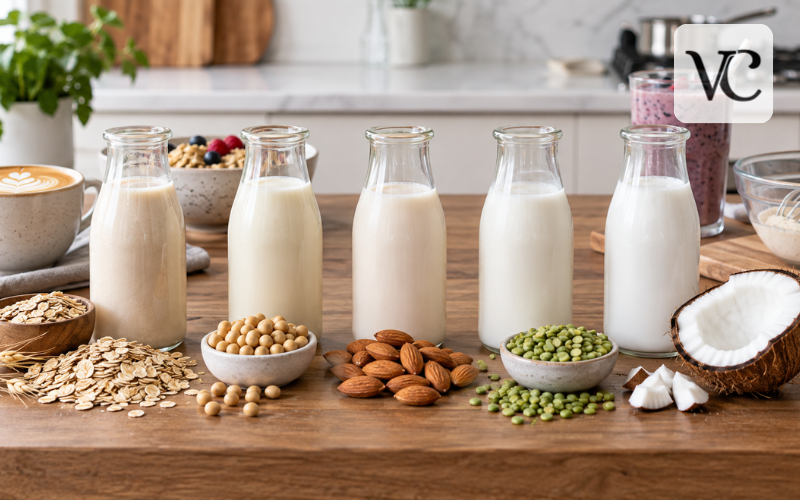
Choosing the best non dairy milk is not as simple as picking one carton and calling it the winner. Plant-based milks are made from different ingredients, including soybeans, oats, peas, almonds, cashews, coconut, rice, hemp, and flax. Each has its own taste, texture, nutrition profile, and best use.
People choose non-dairy milk for many reasons. Some avoid lactose or dairy, some follow a plant-based diet, and others simply prefer the taste of a particular alternative. The important thing is that no single plant milk is best for everyone.
A person looking for more protein may prefer soy or pea milk, while someone making a latte may enjoy the creaminess of oat milk. Almond milk can work well when a lighter drink is preferred, while cashew or coconut can bring extra richness to cooking.
Nutritional values can also vary considerably between brands, even when the products use the same plant base. That makes the nutrition label just as important as the type of milk itself.
This guide compares the main choices so you can find an option that fits your diet, taste, and everyday needs.
Best Non-Dairy Milk at a Glance
If you want a quick answer, think about what you will use the milk for most often. Soy is one of the strongest all-around choices when nutrition and versatility matter, while oat milk stands out for creamy drinks. Pea milk is another useful high-protein option.
| Milk type | Taste and texture | Protein | General calorie profile | Best everyday use | Main consideration |
| Soy | Creamy, fairly neutral | High | Moderate | Everyday drinking, cooking, baking | Contains soy |
| Oat | Smooth, mildly sweet | Low to moderate | Moderate to higher | Coffee, cereal, smoothies | Some versions contain added sugars or oils |
| Pea | Creamy, usually mild | High | Moderate | Protein-focused drinks and smoothies | Taste varies by brand |
| Almond | Light, mildly nutty | Low | Often lower | Cereal, smoothies, light drinks | Contains tree nuts |
| Cashew | Smooth and creamy | Usually low | Low to moderate | Sauces, soups, smoothies | Contains tree nuts |
| Coconut beverage | Light with coconut flavor | Low | Varies | Drinks and some recipes | Can contain more saturated fat |
| Rice | Mild, thin, naturally sweet | Low | Moderate | Drinking, cereal | Usually low in protein |
| Hemp | Earthy, slightly nutty | Low to moderate | Moderate | Smoothies and cereal | Distinct flavor |
| Flax | Mild to slightly nutty | Usually low | Often low to moderate | Cereal and smoothies | Protein varies by formulation |
These descriptions are general rather than fixed nutritional rules. Research examining hundreds of plant-based milk products has found substantial differences both between categories and between products made from the same plant.
Quick picks:
- Best overall: Fortified unsweetened soy milk
- Best for protein: Soy or pea milk
- Best for coffee: Barista-style oat milk
- Best for cereal: Oat or almond milk
- Best for smoothies: Soy, pea, oat, or almond milk depending on your goal
- Best for cooking and baking: Unsweetened soy milk
- Best for a dairy-like experience: Mild soy, extra-creamy oat, pea, or a well-formulated blend
How the Main Non-Dairy Milks Compare
Soy milk is one of the most balanced plant-based options. It is naturally richer in protein than most alternatives and usually has enough body for drinking, cereal, sauces, and baking. Fortified versions can also provide important vitamins and minerals.
Oat milk has become popular because of its soft, creamy texture and mild sweetness. It works particularly well in coffee and cereal, although many regular oat milks contain less protein than soy or pea products.
Pea milk is usually made using pea protein rather than simply blending whole peas with water. Many products provide protein levels comparable with soy, making pea milk attractive to people who want more protein but avoid soy or nuts.
Almond milk is generally lighter and thinner. Its mild nutty flavor works well in smoothies and cereal, but standard almond milk is usually not a significant protein source.
Cashew milk tends to have a smooth mouthfeel that suits soups, sauces, and creamy recipes. Coconut milk beverage has a more noticeable flavor and should not be confused with thick canned coconut milk used in curries and desserts.
Rice milk is mild and relatively thin, while hemp and flax milks offer less-common choices with their own flavors and nutritional profiles.
The biggest lesson is that the plant on the front of the carton does not tell the whole nutritional story. Processing, fortification, sweeteners, and added ingredients can substantially change the final product.
Healthiest Non-Dairy Milk — What Actually Matters
The healthiest non dairy milk depends on what the rest of your diet provides. Rather than looking for one universal winner, compare the nutrients that matter to you.
Protein is especially important if plant milk regularly replaces dairy milk. Calcium, vitamin D, vitamin B12, and potassium are also worth checking. These nutrients may be added through fortification, so an unsweetened milk with very few ingredients is not automatically the most nutritionally complete choice.
Added sugar deserves attention too. A flavored vanilla or chocolate milk can contain more added sugar than its plain counterpart. Saturated fat can also differ, particularly with coconut-based products.
Current FDA guidance recommends comparing plant-based beverages for protein, calcium, vitamin D, potassium, saturated fat, and added sugars rather than assuming products are nutritionally equivalent.
Fortified soy deserves particular attention when replacing dairy for nutritional reasons. U.S. guidance has historically treated appropriately fortified soy beverages differently from most other plant drinks because their overall nutrient profile is closer to milk. Current 2025–2030 federal materials also recognize fortified dairy alternatives as options within dietary guidance.
Best Non-Dairy Milk for Protein
For protein, soy and pea milk are usually the strongest choices.
Many commercial soy and pea products provide considerably more protein than standard almond, rice, coconut, or oat beverages. Research comparing plant-based alternatives has consistently found soy and pea among the higher-protein categories, although the exact amount depends on the product.
Higher protein may be useful if milk is part of your breakfast, used in a post-workout smoothie, or consumed regularly as a direct replacement for dairy milk.
Oat milk can provide some protein, but it usually does not match soy or pea. Almond, cashew, coconut, rice, flax, and hemp products vary widely, and some contain very little unless additional protein has been added.
For that reason, check the actual grams of protein per serving rather than choosing based only on the plant source.
Best Non-Dairy Milk for Gut Health
There is no single best non dairy milk for gut health because digestive tolerance is highly individual.
Someone with lactose intolerance may feel better after switching from regular dairy milk to almost any lactose-free plant alternative. That is different from a food allergy, where the body reacts to specific proteins and the relevant ingredient needs to be avoided.
When comparing plant milks, look at added sugars, fiber, sweeteners, and any added prebiotic fibers. Some people digest these easily, while others may notice bloating or discomfort from particular ingredients.
Gums and thickeners are also common in some plant milks because they help improve texture and prevent separation. Their presence does not automatically make a product unhealthy. What matters more is whether the product fits your needs and whether you tolerate it comfortably.
If one brand causes digestive discomfort, another formulation of the same type of milk may work better. Persistent or unexplained digestive symptoms are better discussed with a qualified healthcare professional than solved through online trends alone.
Best Non-Dairy Milk for Coffee, Tea, and Frothing
For coffee, texture matters almost as much as taste. This is where oat milk has built much of its popularity.
Barista-style oat milk tends to be richer than standard oat milk and is formulated to handle heating and frothing more effectively. Its smooth texture works especially well in lattes and iced coffee.
Soy milk is another strong choice. Its relatively high protein content can give coffee more body and can support good foam, although performance varies between brands.
Plant milk can sometimes separate in coffee because coffee is acidic and hot. Barista products may include ingredients specifically chosen to improve stability, texture, or foaming.
For a latte, creamy oat or soy is a reliable starting point. For a cappuccino, choose a barista product designed to foam. In iced coffee, oat, soy, pea, and almond can all work because heat stability matters less. For ordinary tea or brewed coffee, personal taste should guide the choice.
Recent consumer discussions also continue to show strong enthusiasm for oat milk in coffee, although individual preferences vary widely.
Best Non-Dairy Milk for Cereal
The best milk for cereal is often more about taste and texture than nutrition alone.
Oat milk works well when you want a creamy, slightly sweet bowl. Almond milk provides a lighter result and can be a good match for already-sweet cereal. Soy offers more body and protein, while pea milk can work for someone who wants a filling breakfast without soy or nuts.
Unsweetened milk gives you more control over sweetness. With sugary cereal or granola, a sweetened or vanilla-flavored milk can make the bowl sweeter than expected.
People switching directly from dairy often find that it helps to start with a creamier plant milk rather than the thinnest option available.
There is no universal consumer favorite. Even recent cereal discussions show people choosing almond, oat, soy, and other options mainly according to personal taste and desired creaminess.
Best Non-Dairy Milk for Smoothies
Smoothies are forgiving, so several types of plant milk can work well.
For a higher-protein smoothie, soy or pea milk is usually the most practical starting point. Pair it with fruit, oats, nut butter, seeds, or other ingredients based on your nutritional goals.
For extra creaminess, oat and cashew milk work particularly well. Their texture can make a smoothie feel richer without needing dairy milk.
If you prefer a lighter base, unsweetened almond milk is a common choice. Its mild flavor usually stays in the background rather than competing with fruit.
Remember that flavored and sweetened milk can noticeably change a smoothie. Vanilla may complement berries or bananas, but it may also add sweetness you did not need. Check the label if controlling added sugar matters to you.
Best Non-Dairy Milk for Cooking and Baking
For savory cooking, an unsweetened, unflavored plant milk is usually the safest option. Vanilla-flavored milk can produce an unpleasant result in soups, mashed potatoes, pasta sauces, or gravy.
Soy is particularly versatile because its body and protein content make it useful in both cooking and baking. Cashew milk can be excellent in creamy sauces and soups, while oat milk adds mild richness without a strong nut flavor.
Coconut needs more thought. Carton coconut beverages are usually much lighter than canned coconut milk. Canned coconut milk is rich and useful in curries, soups, and desserts but can add an obvious coconut flavor that is unsuitable for some recipes.
Baking is where differences become more noticeable. Protein, fat, sugar, and thickness can influence browning, structure, and texture.
King Arthur Baking tested soy, pea, almond, oat, coconut, and cashew milks across several baking applications. Soy produced results particularly close to dairy milk in yeast bread and performed well in custard and pastry cream. Oat also performed reasonably well in some custard-style applications, while cakes were more forgiving across different milk types.
For cakes and muffins, several plant milks can work. For bread or recipes that rely heavily on milk proteins and thickness, soy is one of the safest choices.
Which Milk Alternative Tastes Most Like Dairy Milk?
Taste is subjective, so it is difficult to name one milk alternative that tastes exactly like dairy.
Soy milk can have a fairly neutral flavor, especially in modern formulations, and its body can feel closer to dairy than very thin nut milks. Extra-creamy oat milk may feel more familiar because of its smooth texture and slight sweetness.
Some pea-based products are designed specifically to provide a neutral, creamy drinking experience. Blended plant milks can also combine ingredients to balance flavor, texture, and nutrition.
It helps to separate taste from texture. A milk may feel rich and creamy but have a noticeable oat or nut flavor. Another may taste neutral but feel thinner.
Brand formulation matters almost as much as the plant itself. If you dislike one almond or oat milk, that does not necessarily mean you will dislike the entire category.
For someone transitioning from cow’s milk, trying a few plain, creamy varieties is often more useful than searching for a single universally accepted substitute.
What Reddit Users Prefer — and Where Personal Taste Comes In
Reddit can be useful for understanding what real consumers enjoy, but it should not be treated as a source of medical or nutritional evidence.
Recent discussions show a familiar pattern. Oat milk receives frequent praise for coffee because people like its creamy texture. Soy attracts users who value protein, versatility, or a more neutral taste. For cereal, opinions are especially divided between oat, almond, soy, and other varieties.
There is also considerable disagreement. Some users find oat milk too sweet or too noticeable in coffee, while others consider it the closest alternative to their preferred dairy experience. Cashew milk also has enthusiastic supporters despite being less common.
The useful takeaway is not that Reddit has identified a winner. It is that individual taste varies enough that trying different brands is worthwhile.
Consumer experiences can help with flavor and texture decisions. Nutrition questions, however, are better answered using the product label and reliable health guidance.
How to Choose the Best Non-Dairy Milk at the Store
A carton can make almost any plant milk sound appealing, but the Nutrition Facts panel gives you information that is easier to compare.
Start with protein if the milk regularly replaces dairy. Then look at calcium, vitamin D, vitamin B12, and potassium, especially if you depend on milk as a regular source of these nutrients. Current FDA guidance specifically encourages consumers to compare protein, vitamin D, calcium, potassium, added sugars, and saturated fat when selecting plant-based alternatives.
Check added sugar rather than assuming all oat, almond, or soy products are the same. Plain unsweetened versions are often a sensible choice when you do not need extra sweetness.
Also read the allergen information. Soy milk is unsuitable for someone with a soy allergy, while almond and cashew products contain tree nuts. People with allergies should follow the label carefully rather than relying only on the product name.
Fortified and minimally formulated products serve different priorities. A simple three-ingredient product may appeal to someone focused on a short ingredient list, but a fortified product may provide more calcium, vitamin D, or B12. Neither feature automatically makes a product best for everyone.
Terms such as “organic,” “natural,” “barista,” and “clean” should not be used as shortcuts for overall nutritional quality.
Choose this if:
- Choose fortified soy when protein and overall nutrition are priorities.
- Choose pea milk when you want high protein without soy or tree nuts, provided the product fits your allergy needs.
- Choose barista oat milk for creamy coffee and frothing.
- Choose almond milk when you prefer a lighter drink and do not need much protein from the milk.
- Choose cashew milk for creamy sauces and soups.
- Choose rice milk when you prefer a mild, thin drink and its ingredients suit your dietary needs.
- Choose unsweetened, unflavored milk for the greatest flexibility in savory cooking.
Conclusion
The best non dairy milk is ultimately the one that matches what you expect from it.
For protein and a balanced everyday option, fortified soy is difficult to overlook, while pea milk is another strong high-protein choice. Oat milk excels when creaminess matters, especially in coffee and cereal. Almond works well as a lighter option, and cashew can be useful for creamy cooking. Soy remains particularly dependable for many baking applications.
Instead of choosing only by popularity, compare nutrition, flavor, texture, allergies, and how you plan to use the milk. A quick look at the label can tell you far more than the plant pictured on the front of the carton.
The right choice does not have to be the same for every meal. You may prefer oat milk in your coffee, soy in your baking, and almond in your smoothie—and that can be a perfectly practical way to enjoy non-dairy milk.
Frequently Asked Questions
What is the best non dairy milk overall?
Fortified unsweetened soy milk is one of the strongest all-around choices because it provides relatively high protein and works well for drinking, cereal, cooking, and baking. Individual nutritional needs can still differ.
Which non dairy milk has the most protein?
Soy and pea milk are generally among the highest-protein plant-based options. However, protein content varies between brands, so always check the nutrition label rather than relying only on the type of milk.
What is the best non dairy milk for coffee?
Barista-style oat milk is a popular choice for coffee because of its creamy texture and ability to froth. Soy milk is another good option, especially for people who prefer more protein.
Which non dairy milk is best for cooking and baking?
Unsweetened, unflavored soy milk is one of the most versatile options for cooking and baking. Oat and cashew milk can also work well, particularly when a creamier texture is preferred.
Is non dairy milk healthier than dairy milk?
Not necessarily. Nutritional quality varies widely between products. Protein, calcium, vitamin D, added sugar, saturated fat, allergies, and overall diet should all be considered when choosing between dairy and plant-based alternatives.
Disclaimer: This article is provided purely for informational and educational purposes. It is intended to help readers understand and compare different non-dairy milk options based on general nutrition, taste, ingredients, and everyday uses. The information should not be considered medical, nutritional, diagnostic, or professional dietary advice. Individual nutritional requirements, allergies, intolerances, and health conditions can vary, so consult a qualified healthcare professional or registered dietitian when appropriate. This content is independently presented for information only. No guest posting, paid promotion, sponsored placement, product endorsement, or advertising is involved. References to particular types of non-dairy milk are made only to explain their general characteristics and uses. Readers should always check current ingredient lists, allergen statements, and nutrition labels before choosing a product.
Enjoyed this article? Discover more helpful ideas and fresh inspiration on Vogue Cultures.