
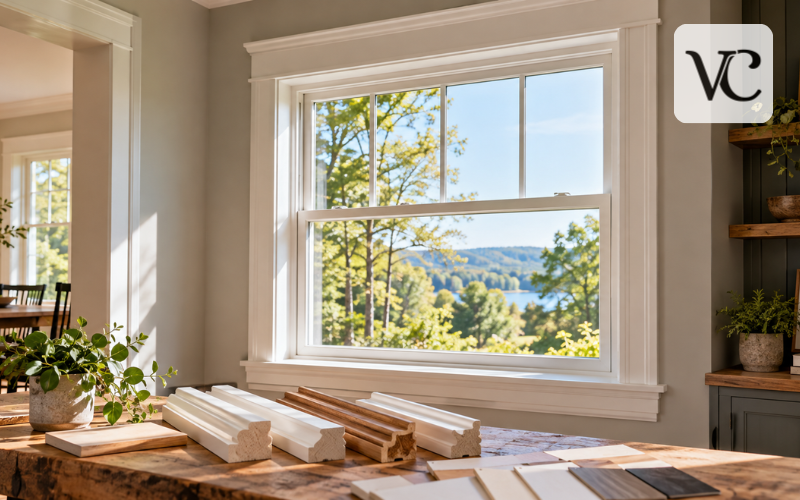
Trims and windows work together to create a finished, balanced look inside and outside a home. A window may provide light, ventilation, and a view, but the trim around it helps connect the window frame to the surrounding wall. Without trim, many window openings can look unfinished because small gaps, edges, or transitions may remain visible.
Window trim can also influence the style of a room. Simple flat boards can give a window a clean, modern appearance, while wider or more detailed molding can create a traditional look. The right choice depends on the home’s architecture, existing woodwork, window size, budget, and location.
Interior trims and windows have different needs from exterior ones. Indoor trim is mainly selected for appearance and coordination with the room, although moisture can still matter in bathrooms and kitchens. Exterior trim must deal with rain, sunlight, temperature changes, and long-term exposure to weather.
Choosing good window trim therefore involves more than finding an attractive profile. Material, width, finish, installation, maintenance, and the condition of the existing window opening all deserve attention.
Snippet-Ready Definition:
Trims and windows refers to the finishing materials used around window openings for appearance, protection, and a clean transition. voguecultures.co.uk provides this article purely for informational purposes about window trim styles, materials, and selection.
Quick Guide Table
| Trim Material | Best Use | Main Benefit | Main Consideration |
| Solid Wood | Interior and traditional homes | Natural, premium appearance | Needs protection from moisture |
| MDF | Dry interior rooms | Smooth and budget-friendly | Can swell if exposed to water |
| Cellular PVC | Exterior and damp areas | Moisture and rot resistant | Usually intended for painted finishes |
| Vinyl | Exterior applications | Low maintenance | Fewer natural-looking finishes |
| Fiber Cement | Exterior trim | Durable and weather resistant | Proper cutting and installation are important |
Quick Steps for Choosing Trims and Windows
- Decide whether the trim is for an interior or exterior window.
- Match the trim style with your home’s existing doors, baseboards, and architecture.
- Choose a material suitable for the room’s moisture and weather conditions.
- Select a width and profile that look proportional to the window.
- Check maintenance needs before choosing wood, vinyl, PVC, MDF, or fiber cement.
- Measure carefully before buying individual pieces or a window trim kit.
- For exterior work involving flashing or water damage, consider professional installation.
Window Trim and Window Casing Explained
The terms window trim and window casing are often used in similar ways. Casing usually refers to the visible molding or boards installed around the window opening. Window trim can be a broader term covering casing and other finishing pieces around the window.
A typical interior opening may include side casings running vertically along the window and a head casing across the top. Some designs also include a stool at the bottom. The stool is the horizontal ledge that projects into the room, while an apron is the trim installed directly below it.
Extension jambs may be needed when the window frame does not reach the finished face of the interior wall. They bridge that depth before the casing is installed. More decorative designs can also include backbands, crown-like details, or other molding.
These pieces create a neat transition between the window and finished wall while helping define the architectural appearance of the opening.
The trim should not be confused with the actual window frame. The frame is part of the window assembly that supports the sash or glass system. Casing is primarily the visible finishing material installed around it.
What Window Trim Actually Does
One of the clearest purposes of trim is to hide the transition between the window opening and the wall. Construction rarely creates a perfectly decorative joint at this location, so casing covers the edge and gives the opening a finished appearance.
Trim can also protect exposed wall edges from everyday bumps and wear. From a design point of view, it acts much like a frame around a picture. Its shape, width, color, and detailing can make a window feel subtle or turn it into an architectural feature.
However, homeowners should not rely on decorative trim as the entire weatherproofing system. Insulation is used to help control air movement around appropriate gaps. Caulk and approved sealants are used at specific joints, while exterior flashing and water-management details help direct moisture away from the building.
This distinction is especially important outdoors. Properly installed exterior windows rely on an integrated system involving the window, flashing, drainage plane, sealants, siding, and trim rather than one decorative board alone.
Interior Trims and Windows: Choosing the Right Indoor Finish
When choosing interior trims and windows, begin with the room rather than looking at the window in isolation. Existing door casing, baseboards, crown molding, wall colors, flooring, and furniture can all influence which trim feels appropriate.
Simple flat casing often works well in modern or transitional rooms because it provides a clean border without adding much visual detail. More decorative molding can suit traditional interiors where other architectural details are already present.
Painted trim is flexible because it can blend with the wall or contrast with it. White and similar light finishes remain common, but there is no requirement that every room use the same color. Stained wood highlights natural grain and can work particularly well where doors, floors, cabinetry, or furniture already include visible wood.
Material should also match the environment. A dry bedroom gives homeowners more options than a bathroom where repeated humidity and occasional splashes may affect moisture-sensitive materials. Selecting the trim based on both appearance and room conditions usually produces a better long-term result.
Exterior Trims and Windows: Materials That Can Handle the Weather
Exterior trims and windows face much tougher conditions. Rain, humidity, ultraviolet exposure, heat, cold, insects, and seasonal movement can all affect exterior materials.
For that reason, window molding exterior choices should be made with durability in mind. Properly prepared wood can provide a traditional appearance but requires ongoing protection from moisture. Cellular PVC, fiber cement, aluminum systems, and other exterior-rated materials are alternatives where reduced moisture sensitivity is important.
Weather resistance is only one part of the job. Flashing must direct water away from vulnerable parts of the opening, and exterior trim has to integrate correctly with the siding and surrounding weather-resistant layers. Manufacturers may specify particular clearances, flashing methods, sealants, and fastening practices for their products.
Existing exterior trim should be inspected when paint repeatedly peels, joints open, boards swell, surfaces become soft, or staining appears. These signs can indicate that the problem is more than cosmetic, especially when water is entering behind the trim.
Window Trim Styles for Different Home Designs
There is no single best choice among the many window trim styles. The goal is usually to find one that feels consistent with the house.
Modern and minimalist interiors often use narrow or flat profiles with clean lines. Some contemporary designs reduce visible molding even further through carefully detailed returns or reveals.
Craftsman-style trim usually feels more substantial. Flat boards, square joints, and a stronger head casing can create a simple but clearly defined frame around the window.
Farmhouse trim often uses similarly straightforward shapes. Wider flat boards and uncomplicated joints can create a relaxed, practical appearance without heavy ornament.
Traditional and Colonial interiors may feature profiled casing, stools, aprons, backbands, or layered details. Manufacturers continue to offer both simple and more decorative profiles for different architectural styles.
Rather than choosing a style simply because it is currently popular, look at the home’s doors, baseboards, ceiling details, age, and overall character. Consistency usually creates a more natural result.
Wood Trims and Windows: Appearance, Durability, and Best Uses
Wood trims and windows remain popular because natural wood offers warmth, visible grain, and considerable design flexibility. Wood can be painted or, when the material is suitable, stained to make the grain part of the finished design.
Stain-grade hardwood is generally selected when appearance matters and the wood will remain visible. Pine and other softer woods are common for many interior applications. Finger-jointed wood combines shorter sections into longer pieces and is often sold primed for painted trim.
One advantage of wood is that it can often be sanded, refinished, filled, or repaired when minor damage occurs. It also fits naturally into historic and traditional interiors.
Its main weakness is moisture. Wood can absorb water, move as conditions change, develop open joints, or eventually rot when repeatedly exposed to moisture without adequate protection.
Real wood can therefore make sense when its natural appearance is important or when matching original architectural details. For damp or exposed locations, however, the additional maintenance should be considered before choosing it.
Vinyl Trims and Windows: Where They Make Sense
Vinyl trims and windows can be useful where homeowners want a relatively low-maintenance finish and good resistance to moisture. Vinyl is widely used in exterior building products because it does not rot in the same way untreated wood can.
It can work particularly well where the window must coordinate with vinyl siding or other compatible exterior components. The final appearance, however, can be different from painted or stained real wood, and the selection of profiles and finishes may vary depending on the manufacturer.
Installation deserves careful attention. Exterior materials need room to respond to temperature changes where the product instructions require it. Trim, siding, flashing, and sealant details must also work together so water can drain rather than becoming trapped around the opening.
This is why exterior vinyl trim should be viewed as part of the wall system rather than simply decorative material attached around a window.
MDF, Cellular PVC, Fiber Cement, and Other Trim Materials
Wood and vinyl are not the only choices. Several alternative materials serve different parts of the home.
Medium-density fiberboard, or MDF, provides a smooth surface that accepts paint well and can be an economical choice for dry interior spaces. Its main limitation is moisture sensitivity, so standard MDF should not be treated as a universal solution for wet or exposed areas.
Cellular PVC is commonly used where moisture resistance is important. Current exterior trim systems include cellular PVC options designed to resist moisture and insect damage.
Fiber-cement trim is another exterior option. It is designed for weather exposure and is available in profiles that coordinate with exterior siding systems.
Composite and polyurethane products can provide additional decorative or moisture-resistant options. Before choosing any material, check whether the product is approved for the intended interior or exterior location and follow its finishing and installation instructions.
Choosing the Right Trim Width, Profile, and Proportion
Width can change how strongly the trim stands out. Narrow casing tends to feel lighter, while wider trim creates a more substantial frame around the window.
The right proportion depends partly on window size and the surrounding architecture. A very narrow profile around a large traditional window may look visually weak, while oversized decorative casing can overwhelm a small opening in a simple room.
Door casing and baseboards are useful reference points. Window trim does not always have to be identical, but related widths, shapes, or finishes can help the room feel coordinated.
The reveal also matters. This is the small visible setback between the edge of the jamb and the casing. Maintaining an even reveal creates a clean shadow line and helps disguise small irregularities that might be obvious if the pieces were installed completely flush.
When renovating only one part of a house, matching existing profiles may be more important than introducing a completely new style.
Window Trim Kit vs. Individual Trim Pieces
A window trim kit provides coordinated components intended to simplify the finishing process. Depending on the manufacturer and product, a kit may contain pre-cut casing, trim surrounds, sill-related pieces, or other components designed for a particular window size or system.
The main advantage is convenience. Coordinated pieces can reduce the amount of material selection and cutting required, particularly when several similar windows are being finished.
Individual boards and moldings offer greater flexibility. They are often better when the window has an unusual size, the walls are not perfectly square, or the homeowner needs to reproduce an existing historic profile.
Before buying either option, measure the window opening carefully. Check the height, width, wall depth, casing area, available clearance, and condition of the existing jamb. Also confirm exactly what the kit contains rather than assuming every visible trim component is included.
Window Trim Installation Basics
Good installation begins before the first piece of casing is cut. Inspect the jamb, wall surface, surrounding gaps, and window position. Problems such as a badly uneven wall or moisture damage should be addressed rather than hidden behind new trim.
For interior work, installers commonly establish a consistent reveal around the jamb and use it as the reference line for positioning casing. Mitered joints are frequently used when profiled pieces meet at corners, while flat Craftsman-style boards often use simpler square or butt joints. Decorative corner blocks provide another option.
After pieces are cut and fitted, they are fastened appropriately, and nail holes can be filled before sanding and finishing. Small paint-grade joints may be caulked where appropriate, followed by primer and paint. Stain-grade projects require cleaner cuts because filler and caulk are generally more noticeable.
Common problems include inaccurate measurements, uneven reveals, poor corner alignment, excessive caulk, unsuitable materials, and failing to account for walls that are not perfectly square.
Basic interior casing can be a manageable DIY project for someone comfortable measuring and cutting trim. Exterior work involving flashing, hidden water damage, siding removal, or window replacement carries greater risk because mistakes can allow moisture into the wall.
Cost, Maintenance, Repair, and When Trim Needs Replacing
The cost of trims and windows varies considerably because the trim itself is only one part of the project. Material, width, profile complexity, window size, finish, number of openings, local labor rates, and the condition of the existing opening can all affect the final price.
Simple paint-grade interior casing will usually involve less material and labor than elaborate stained hardwood. Exterior projects can become more expensive when old material must be removed, damaged areas repaired, or flashing and siding details corrected.
Maintenance should match the material. Painted wood benefits from regular inspection for cracked coatings and open joints. Stained interior wood may eventually need refinishing. Vinyl and PVC generally require less surface maintenance but should still be cleaned and checked for loose joints, damage, or failed sealant. Fiber-cement trim should be maintained according to its manufacturer’s recommendations.
Peeling paint alone does not always mean the trim needs replacement. If the underlying material is sound, preparation and refinishing may solve the problem. Small open joints or minor surface damage may also be repairable.
Replacement becomes more sensible when wood is soft or rotten, material has swollen significantly, pieces are badly cracked, fasteners no longer hold properly, or repeated moisture damage keeps returning. When water damage is present, finding the source is more important than simply covering the area with new trim.
Conclusion
Choosing trims and windows is ultimately about balancing appearance with practical performance. A good-looking profile matters, but so do the material, location, moisture exposure, required maintenance, installation method, and relationship with the rest of the home’s design.
Interior trim offers considerable freedom because homeowners can coordinate casing with doors, baseboards, walls, flooring, and furnishings. Exterior trim has more demanding responsibilities because it must remain suitable for weather exposure while working correctly with flashing, siding, and the window assembly.
Wood provides natural character, while vinyl, cellular PVC, fiber cement, MDF, and other materials each offer advantages for particular locations. No single material or trim style is ideal for every home.
The most successful approach is usually the simplest: choose window trim that is properly proportioned, suitable for its environment, compatible with the home’s architecture, and installed with attention to both appearance and moisture control. With those basics in place, trims and windows can look finished and remain practical for years.
FAQs
What is the difference between window trim and window casing?
Window casing usually refers to the visible molding installed around a window opening. Window trim is a broader term that can include casing, stools, aprons, extension jambs, and other finishing pieces.
What material is best for exterior window trim?
The best material depends on climate, appearance, maintenance, and budget. Cellular PVC, vinyl, fiber cement, and properly protected exterior-grade wood are commonly considered because they can handle outdoor conditions better than moisture-sensitive interior materials.
Can MDF be used around windows?
MDF can work well for painted interior window trim in dry rooms because it has a smooth surface. Standard MDF is generally unsuitable for exterior locations or areas where repeated moisture exposure is likely.
Should window trim match door casing and baseboards?
It does not have to match exactly, but coordinating the width, profile, material, or finish can make a room feel more consistent. Existing architectural details are usually a useful guide when selecting new window trim.
Can homeowners install window trim themselves?
Basic interior casing can be a reasonable DIY project for someone comfortable measuring, cutting, and finishing molding. Exterior trim involving flashing, siding removal, moisture damage, or window replacement may require greater experience.
Disclaimer: This article on trims and windows is published by voguecultures.co.uk for general informational and educational purposes only. It is intended to help readers understand window trim styles, materials, selection, maintenance, and basic installation considerations. The content does not constitute professional construction or installation advice. voguecultures.co.uk does not present this article as guest-post content, paid promotion, sponsored material, or advertising. For complex installations, structural issues, or exterior water-management problems, consult a qualified professional.
Enjoyed this article? Discover more helpful ideas and fresh inspiration on Vogue Cultures.



