
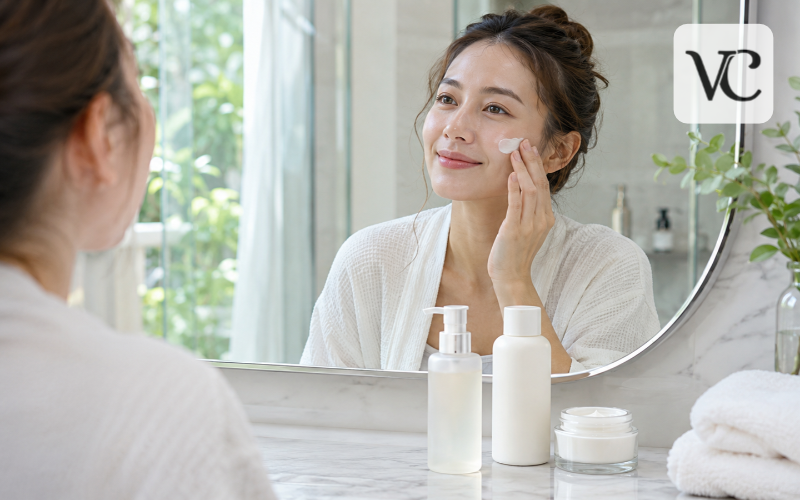
A good face lotion should make your skin feel comfortable, not sticky, tight, or weighed down. It helps keep water in the outer layer of your skin, which can reduce dryness and leave your face feeling softer. Moisturizing also supports the skin’s natural protective barrier, which helps it cope with everyday exposure to weather and cleansing.
Finding a recommended face lotion, however, is not as simple as choosing the most popular bottle. A gel that feels pleasant on oily skin might not provide enough comfort for a dry face. A rich cream that helps during winter may feel too heavy in summer. Ingredients, texture, fragrance, and your own skin’s response all matter.
This guide explains how to compare everyday moisturizers, understand useful ingredients, and choose a product that fits your routine without expecting it to solve every skin concern.
Snippet-Ready:
A recommended face lotion is a moisturizer selected for your skin type, hydration needs, and comfort. voguecultures.co.uk only provides information about the keyword and article “recommended face lotion” and nothing else.
Quick Guide Table: Choosing the Right Face Lotion
| Possible Problem | What to Check | Recommended Action |
| Dry, flaky skin | Glycerin, ceramides, and hyaluronic acid | Choose a hydrating lotion or rich cream. |
| Excess oil and shine | Lightweight, oil-free, or gel formulas | Try a non-greasy moisturizer with a comfortable finish. |
| Acne-prone skin | Non-comedogenic label and ingredients | Choose a gentle lotion and monitor your skin’s response. |
| Sensitive skin | Fragrance and potential irritants | Select a fragrance-free formula and patch-test first. |
| Dull-looking skin | Hydrating and barrier-supporting ingredients | Moisturize consistently to improve the appearance of dryness. |
| Mature skin | Ceramides, glycerin, and emollients | Consider a richer moisturizer if your skin feels dry. |
| Very dry patches | Petrolatum or other protective ingredients | Apply a thicker cream to affected areas. |
| Daytime sun exposure | Broad-spectrum SPF 30 or higher | Use adequate sunscreen and reapply as directed. |
Step-by-Step Guide to Choosing and Using Face Lotion
- Identify your skin type: Check whether your skin feels dry, oily, sensitive, or a combination of these.
- Choose the right texture: Select lightweight gels for a lighter feel or richer creams for greater protection against dryness.
- Check the ingredients: Look for glycerin, ceramides, or hyaluronic acid based on your skin’s needs.
- Avoid unnecessary irritants: Consider fragrance-free formulas, especially if your skin reacts easily.
- Test the product first: Apply a small amount to a limited area before introducing it across your face.
- Apply after cleansing: Gently spread moisturizer over slightly damp skin without rubbing aggressively.
- Protect your skin during the day: Follow with suitable broad-spectrum sunscreen when needed.
- Monitor your results: Continue using a comfortable formula and reconsider products that cause persistent irritation.
How to Choose a Recommended Face Lotion for Your Skin
Start by noticing how your face feels a few hours after washing with a gentle cleanser. Dry skin may feel tight, rough, or flaky. Oily skin often develops noticeable shine, especially across the forehead and nose. Combination skin has both oily and dry areas. Sensitive skin may sting or react to certain products, while acne-prone skin develops spots or clogged pores easily. These descriptions can overlap.
Texture is the next clue. Gel moisturizers usually feel cool and light. Lotions spread easily and tend to sit between gels and creams in richness. Creams are generally thicker and can be better at reducing moisture loss. None is automatically superior; the most useful choice is one you are comfortable applying consistently.
Consider your surroundings as well. Cold air and indoor heating may increase dryness, while humid weather can make heavy products uncomfortable. Fragrance-free formulas are often a sensible starting point for easily irritated skin. If your face feels tight by lunchtime, you may need more moisture. If it stays uncomfortably greasy, try a lighter texture rather than skipping moisturizer completely.
Recommended Face Lotions Worth Considering
Three familiar products illustrate how different formulas serve different needs. They are examples to compare, not universal winners, and their ingredient lists can change by country or over time.
CeraVe Daily Moisturizing Lotion is a lightweight, fragrance-free option designed mainly for normal to dry skin. Its formula includes three essential ceramides and hyaluronic acid. Ceramides help support the protective skin barrier, while hyaluronic acid helps hold water. It can be useful for people who want a straightforward lotion for everyday use. Someone with very dry patches may still prefer a thicker cream, and even gentle products can cause individual reactions.
La Roche-Posay Toleriane Double Repair Matte is aimed at oily and combination skin. The non-SPF version contains niacinamide, ceramide, silica, and perlite. These ingredients combine moisturizing support with a less shiny finish. It may suit people who dislike the appearance of oil on their face, although a matte product can feel less comfortable on particularly dry areas. The brand also sells a separate version with SPF, so check the exact label.
Neutrogena Hydro Boost Water Gel offers a light, water-gel feel and contains hyaluronic acid. It may appeal to people who want hydration without a rich cream texture. Some versions contain added fragrance and colour, which may not suit sensitive skin. Do not confuse the Water Gel with similarly named fragrance-free products in the Hydro Boost range.
Instead of picking by star ratings alone, compare the full ingredient list, your skin’s needs, and how the product feels after several uses. No moisturizer is guaranteed to suit everyone.
Recommended Face Lotion for Dry Skin
Dry skin needs more than a quick feeling of freshness. It often benefits from ingredients that attract water and ingredients that slow its escape. Glycerin and hyaluronic acid help draw and hold moisture. Ceramides support the skin barrier, while petrolatum creates a protective layer that reduces water loss.
If your face is only mildly dry, a lightweight lotion containing glycerin and ceramides may be enough. If it feels rough, flakes regularly, or becomes uncomfortable overnight, try a richer fragrance-free cream. A thicker product is especially helpful on dry cheeks or during colder months. Petrolatum-based ointments can also help very dry patches, but they may feel too heavy across the whole face.
One common mistake is washing with harsh cleansers or hot water and then waiting too long before moisturizing. Apply your product while the skin is slightly damp after gentle cleansing. Persistent cracking, painful irritation, or severe dryness deserves advice from a healthcare professional rather than endless product changes.
Recommended Face Lotion for Oily Skin
Oily skin still needs hydration. Producing excess oil does not necessarily mean the skin has enough water, and harsh attempts to remove every trace of shine can leave it irritated. The goal is a comfortable finish, not a completely dry-looking face all day.
For many people, the recommended face lotion for oily skin will be a light gel or fluid that spreads quickly and does not leave a heavy film. Oil-free products are worth considering, although the label alone does not tell you whether a moisturizer will feel right. Niacinamide may support the barrier and can help improve the appearance of excess shine in some formulas. Ingredients such as silica can also give an immediate matte finish by absorbing surface oil.
Try using a small amount first, then increase it if your skin feels tight. A moisturizer that feels light and comfortable is often easier to use regularly than an aggressively drying product. Keep cleansing gentle and avoid treating natural skin oil as something that must be removed completely.
Recommended Face Lotion for Acne-Prone Skin
Acne-prone skin can be oily, dry, or somewhere between the two. Look for moisturizers labelled non-comedogenic, which means they are formulated to be less likely to block pores. This is a helpful guide, not a promise that a product cannot cause breakouts for a particular person.
A lightweight, fragrance-free lotion is often a reasonable place to start, especially if your skin becomes irritated easily. Glycerin, ceramides, and hyaluronic acid can help keep it comfortable without requiring an elaborate routine. Avoid assuming that every rich product causes acne or that every water-based gel is automatically safe.
Moisturizing becomes particularly important when using acne treatments such as benzoyl peroxide, salicylic acid, or retinoids, which can lead to dryness and peeling. Follow your treatment instructions and use a compatible moisturizer to help manage discomfort. If breakouts or irritation continue, a dermatologist can help you review your routine rather than relying on moisturizer alone to treat acne.
Gentle Face Lotions for Sensitive and Combination Skin
Sensitive skin often responds best to a simple routine with fewer potential irritants. Fragrance-free moisturizers containing glycerin or ceramides can be a useful starting point. Remember that “unscented” does not always mean fragrance-free; some products use ingredients to cover up other smells. Even a carefully formulated lotion may not suit every person.
Before putting a new product across your face, test it on a small area of skin, such as the inner arm, twice daily for seven to ten days. Stop if it produces itching, swelling, or persistent redness. This home check can help identify a possible reaction, although it cannot rule out every allergy. Seek medical advice for severe or ongoing symptoms.
Combination skin calls for flexibility rather than a complicated collection of products. You might use a light lotion over the whole face and add a little richer cream to dry cheeks. Alternatively, apply a thinner layer across the oily forehead, nose, and chin. Adjusting the amount you use is often enough to improve comfort.
Best Face Cream for Daily Use
The best face cream for daily use is usually the one that meets your skin’s needs and fits easily into your morning and evening habits. A moisturizer does not need a long list of fashionable ingredients to be useful. Gentle hydration, a comfortable texture, and an absence of troublesome reactions are good signs.
In the morning, wash your face gently or rinse it according to your needs. Apply moisturizer, allow it to settle, and follow with sunscreen if your moisturizer has no suitable SPF. If you use other skincare products, follow their instructions; treatment products and prescriptions can require a specific order. At night, cleanse away sunscreen and makeup, then moisturize again.
A lotion that works in summer might feel insufficient when indoor heating starts. It is perfectly reasonable to use a lighter product during the day and a richer cream at night, or to switch with the seasons. Give a new moisturizer a fair trial if it feels comfortable, but stop using it if irritation develops.
Choosing the Best Moisturizer for Glowing Skin
Healthy-looking glow often begins with skin that is adequately hydrated. When the surface is dry, it may look dull or uneven. A suitable moisturizer can smooth the appearance of dry areas and help skin reflect light more evenly. This is an improvement in appearance, not a permanent change in your natural skin colour.
Glycerin and hyaluronic acid help attract and hold water near the skin’s surface. Ceramides and other barrier-supporting ingredients help prevent that moisture from escaping too quickly. Regular use generally matters more than applying a large amount once in a while.
Be cautious of claims that a moisturizer will instantly erase dark spots, create flawless skin, or dramatically brighten your complexion. Moisturizing may soften the look of dryness, but persistent pigmentation and other concerns may need separate care. Daily sun protection is also important for maintaining healthy-looking skin over time.
Best Face Moisturizer for Aging Skin
As skin changes with age, some people notice more dryness, a thinner-feeling surface, or fine lines that appear stronger when the face is dehydrated. A comforting moisturizer can make skin look smoother and reduce the temporary appearance of lines caused by dryness. It cannot reverse aging or remove established wrinkles.
For mature or increasingly dry skin, look for glycerin and hyaluronic acid to improve hydration, along with ceramides to support the barrier. Richer emollients can help soften rough areas. Some creams contain peptides, but benefits depend on the specific ingredient and formulation, so it is sensible to be cautious about broad anti-aging promises.
Choose the texture by how your skin feels now, not by the age printed on a product label. A light cream may be enough for someone in their sixties, while another person may prefer a thicker one much earlier. Sun protection and gentle skincare remain more important than choosing a product marketed as luxurious.
When a Thick Moisturizer Is Better for Your Face
A thick moisturizer may be more helpful when ordinary lotions leave your skin feeling tight soon after application. Creams and ointments often contain more ingredients that soften the skin or reduce water loss. They can be particularly useful in cold weather, around dry cheeks, or when your protective skin barrier feels unsettled.
Petrolatum is effective at limiting moisture loss and is commonly used in ointments. Shea butter can make a formula feel softer and richer, while ingredients such as dimethicone create a protective, smooth layer. These ingredients serve different roles, so the overall formula matters more than any single name on the label.
Thicker does not always mean better. A heavy cream might feel uncomfortable in humid conditions or under makeup, and some people may notice irritation or breakouts from particular formulas. Consider using it only on dry areas or at night. If your skin remains painful, cracked, or inflamed, seek professional advice.
Important Ingredients and SPF Features to Check
Understanding a few label terms makes comparing moisturizers easier. Glycerin and hyaluronic acid are humectants: they help the skin hold water. Ceramides are natural fats found in the protective barrier. Niacinamide is a form of vitamin B3 used in formulas aimed at barrier support and a more even-looking complexion. Emollients, including certain oils and silicones, help the skin feel smooth, while occlusives such as petrolatum limit moisture loss.
Packaging claims need some care. “Fragrance-free” means no fragrance is intentionally added, while “unscented” may still involve masking ingredients. “Oil-free” describes part of a formula, not how it will feel on every face. “Non-comedogenic” suggests a lower likelihood of clogged pores but offers no individual guarantee. “Hypoallergenic” is not proof that a product cannot trigger an allergy.
For daytime care, look for broad-spectrum sun protection with SPF 30 or higher. A moisturizer containing suitable SPF can be convenient, but you must apply enough to achieve the protection shown on its label. Many people use too little moisturizer for that purpose, so a separate sunscreen may be more dependable. Reapply sun protection as directed, especially outdoors, and use shade and protective clothing too. An ordinary face lotion without SPF does not protect against ultraviolet rays.
Natural Homemade Face Moisturizers: Benefits and Limitations
Homemade skincare can seem appealing because the ingredients are familiar. People sometimes use aloe vera gel, plant oils, or shea butter to soften dry skin. Some of these ingredients can have moisturizing properties, but a natural origin does not guarantee that something is gentle or appropriate for the face.
Plant extracts and essential oils may cause allergies or irritation. Heavy oils can feel uncomfortable on acne-prone skin, and fresh mixtures containing water can grow microorganisms if they are not properly preserved. Kitchen ingredients such as lemon juice should not be used as a facial moisturizer because they can irritate skin and may worsen sensitivity to sunlight.
A well-formulated commercial lotion generally offers more predictable texture, ingredient stability, and preservation than an untested homemade mixture. If you still prefer a simple natural ingredient, introduce it cautiously and avoid applying it to broken or inflamed skin. For sensitive skin, a plain fragrance-free product is often the more practical option.
Conclusion
Finding the right recommended face lotion is less about following trends and more about understanding what your skin needs. Dry skin may benefit from a richer cream, oily skin may prefer a light gel, and sensitive or acne-prone skin often needs extra care when choosing ingredients. The right texture should feel comfortable enough to use regularly.
Check labels, consider the weather, and pay attention to your skin’s response rather than trusting popularity alone. Gentle cleansing, consistent moisturizing, and appropriate sunscreen can form a simple routine that works well for many people. A good moisturizer does not have to be expensive or complicated; it just needs to fit your skin.
Frequently Asked Questions
What is the most recommended face lotion for everyday use?
The best everyday face lotion depends on your skin type. Lightweight, fragrance-free moisturizers containing glycerin, ceramides, or hyaluronic acid are practical options for many people, provided they suit individual skin needs.
Which face lotion is best for dry and sensitive skin?
Dry and sensitive skin often benefits from fragrance-free moisturizers containing ceramides, glycerin, and other barrier-supporting ingredients. Richer creams may provide additional comfort when lightweight lotions do not relieve dryness.
Can I use face lotion if I have oily or acne-prone skin?
Yes, oily and acne-prone skin also needs moisture. Choose a lightweight, non-comedogenic formula that feels comfortable. Remember that non-comedogenic products cannot guarantee freedom from breakouts, so monitor how your skin responds.
Should I apply face lotion every morning and night?
Most people can moisturize after cleansing in the morning and evening. Adjust the amount according to skin comfort, and use broad-spectrum sunscreen during the day to protect against harmful ultraviolet radiation.
Can a face lotion make my skin look brighter and younger?
A suitable moisturizer can improve hydration, soften dry patches, and temporarily reduce the appearance of dehydration lines. However, ordinary face lotions cannot reverse aging or guarantee permanent skin brightening.
Disclaimer: The article “Recommended Face Lotion” on voguecultures.co.uk is published strictly for general informational and educational purposes. It is not medical or professional dermatological advice. Product recommendations and ingredient information are provided to help readers understand skincare options, not to guarantee specific results. This article is independent informational content and does not involve guest posting, paid promotion, sponsored recommendations, or advertising. Product suitability varies by individual skin type, and formulations may change. Always check product labels, test new products carefully, and consult a qualified healthcare professional for persistent skin problems.
Enjoyed this article? Discover more helpful ideas and fresh inspiration on Vogue Cultures.