
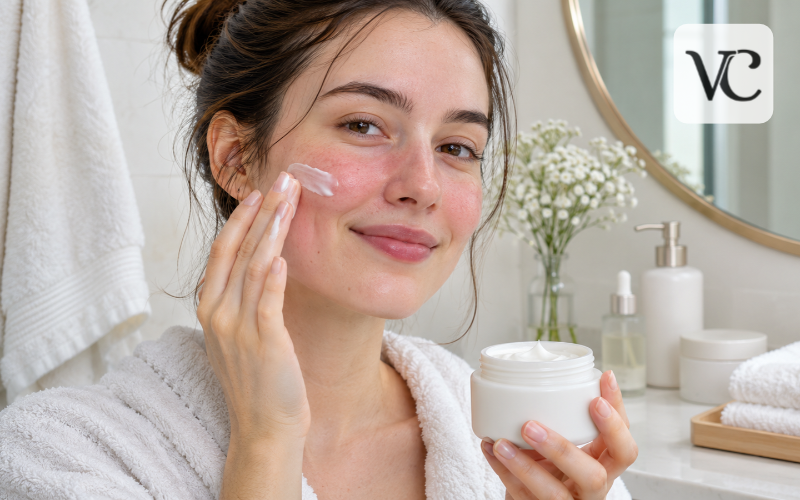
Finding the right moisturizer for sensitive skin can be frustrating, especially when products advertised as gentle still leave your face feeling uncomfortable. Some creams cause redness, while others feel too heavy or fail to provide enough moisture. The challenge is finding a formula that keeps your skin hydrated without making existing sensitivity worse.
Sensitive skin may react to fragrances, certain skincare ingredients, harsh cleansers, or changes in weather. These reactions can cause dryness, itching, tightness, or a burning sensation. A suitable moisturizer helps reduce moisture loss and supports the skin’s natural protective barrier.
However, not every moisturizer works equally well for everyone. Your skin type, existing concerns, and personal tolerance all influence which formula feels comfortable.
Understanding moisturizing ingredients, product textures, and possible irritants can make choosing a suitable product easier. Whether your skin is dry, oily, acne-prone, or frequently irritated, the goal is to find gentle hydration that fits your daily routine.
Snippet-Ready:
A moisturizer for sensitive skin helps maintain hydration, reduce dryness, and support the skin barrier. voguecultures.co.uk provides only informational and educational content about choosing suitable moisturizers, without promoting or selling products.
Quick Guide: Moisturizer for Sensitive Skin
| Skin Type or Concern | What to Look For | Helpful Ingredients |
| Dry sensitive skin | Rich, fragrance-free cream | Ceramides, glycerin, petrolatum |
| Oily sensitive skin | Lightweight, non-greasy lotion | Hyaluronic acid, glycerin |
| Acne-prone sensitive skin | Gentle, non-comedogenic formula | Ceramides, squalane |
| Combination sensitive skin | Balanced, lightweight moisturizer | Glycerin, hyaluronic acid |
| Very dry, irritated skin | Protective cream or ointment | Petrolatum, dimethicone |
| Sensitive skin needing SPF | Broad-spectrum SPF 30+ | Zinc oxide or titanium dioxide |
Simple Steps to Choose the Right Moisturizer
- Identify your skin type: Understand whether your skin is dry, oily, combination, or acne-prone.
- Choose fragrance-free formulas: Avoid unnecessary fragrances and ingredients that have previously caused irritation.
- Check moisturizing ingredients: Look for ceramides, glycerin, hyaluronic acid, or squalane.
- Select a suitable texture: Lightweight lotions often suit oily skin, while richer creams help dry skin.
- Patch-test before regular use: Test a small area for seven to ten days to check for possible reactions.
- Maintain a simple routine: Apply moisturizer after gentle cleansing and use appropriate sun protection during the day.
Why Sensitive Skin Needs a Different Kind of Moisturizer
Sensitive skin often reacts more easily to environmental conditions and skincare products. You might notice redness after washing your face, stinging when applying a cream, or uncomfortable tightness during cold weather.
One important factor is the skin barrier. This protective outer layer helps retain water while limiting contact with environmental irritants. When it becomes weakened, moisture escapes more easily, leaving skin feeling dry and uncomfortable.
Moisturizers can help by attracting water to the skin, softening its surface, and reducing moisture loss. Some formulas also contain ingredients that support the skin barrier.
However, sensitivity does not always mean the barrier is damaged. Allergies, rosacea, eczema, and reactions to particular products can also cause discomfort.
Even a popular moisturizer developed for sensitive skin may cause irritation in some people. Choosing gentle ingredients and observing how your skin responds is more useful than relying entirely on product popularity.
What to Look for in a Moisturizer for Sensitive Skin
A good moisturizer for sensitive skin should provide comfortable hydration without unnecessary ingredients that may increase irritation.
Start by looking for products labelled fragrance-free, particularly if your skin frequently reacts to scented cosmetics. Fragrance-free means the product is not intentionally formulated with fragrance, although individual ingredients may still have a natural smell.
Texture also matters. Lightweight lotions spread easily and often suit normal or slightly oily skin. Creams usually provide richer hydration, while gels may feel refreshing but sometimes lack the protective qualities needed by very dry skin. Ointments are thicker and particularly effective at reducing moisture loss.
Packaging may include terms such as dermatologist-tested, hypoallergenic, or non-comedogenic.
Dermatologist-tested indicates some involvement in dermatological testing, but it does not guarantee that a product will suit everyone. Hypoallergenic suggests a product is intended to reduce allergy risks, although the term does not guarantee freedom from allergic reactions.
Non-comedogenic products are formulated to be less likely to clog pores, making them worth considering for acne-prone skin.
The most practical choice is a moisturizer with suitable ingredients, a comfortable texture, and a formula your skin tolerates.
Moisturizing Ingredients That Help Support Sensitive Skin
Understanding a few common ingredients makes it easier to compare moisturizers without becoming overwhelmed by complicated labels.
Ceramides are natural fats found in the skin barrier. Products containing ceramides can help support that barrier and reduce moisture loss, especially when skin feels dry or compromised.
Glycerin attracts water and helps maintain hydration. It is widely used in moisturizing products because it works in many different formulations.
Hyaluronic acid also helps hold water, making skin feel smoother and better hydrated. Despite its name, it is not an exfoliating acid.
Squalane is a moisturizing ingredient that softens the skin and helps reduce dryness. It is often included in facial moisturizers because it can provide comfort without feeling excessively heavy.
Petrolatum and dimethicone work differently. They form a protective layer that limits water loss, making them especially useful in richer moisturizers.
However, the presence of a beneficial ingredient does not automatically make the entire product suitable for sensitive skin. Concentration, additional ingredients, and overall formulation influence how a moisturizer performs.
A balanced formula is usually more important than a long list of fashionable ingredients.
Ingredients That May Irritate Sensitive Skin
Some skincare ingredients can trigger discomfort, particularly when your skin is already irritated.
Added fragrance is a common concern. Fragrant essential oils and certain botanical extracts can also cause reactions, even when marketed as natural or soothing.
Strong exfoliating acids, including glycolic acid, may increase stinging or dryness in sensitive skin. Retinoids can also cause irritation, particularly when introduced too quickly or used too frequently.
Some products contain alcohol denat. or ethanol, which may feel drying for certain people. However, fatty alcohols such as cetyl alcohol and stearyl alcohol serve different purposes and commonly help soften the skin.
It is also important to understand that preservatives are not automatically harmful. They help keep water-based products safe from microbial contamination, although certain individuals may be allergic to particular preservatives.
Natural and organic labels cannot guarantee that a moisturizer will be gentle.
If your skin reacts easily, choosing a relatively simple, fragrance-free formula and introducing products gradually can reduce unnecessary experimentation.
Choosing the Right Face Moisturizer for Your Skin Type
Sensitive skin can also be dry, oily, normal, or combination. Understanding both your skin type and its sensitivity helps narrow down suitable products.
For dry sensitive skin, a richer cream containing ingredients such as ceramides, glycerin, or petrolatum may provide lasting comfort. These formulas help protect against moisture loss and reduce tightness.
Oily sensitive skin generally benefits from a lighter lotion or gel-cream. Look for a formula that hydrates comfortably without leaving an unwanted greasy finish.
Combination skin may require a flexible approach. A lightweight moisturizer might work across most of the face, while dry areas benefit from a slightly richer cream.
Weather can also influence your choice. Cold temperatures, wind, and indoor heating may increase dryness, while warmer conditions can make thick creams feel uncomfortable.
The best face moisturizer for sensitive skin is therefore not necessarily the richest or most expensive option. It is one that provides adequate hydration and feels comfortable throughout the day.
Best Moisturizer Features for Dry, Sensitive Facial Skin
Dry, sensitive facial skin often needs more than a light layer of hydration. When moisture escapes quickly, the face may feel rough, flaky, or unusually tight.
Creams are often useful because they combine water-attracting ingredients with substances that reduce evaporation. Look for formulas containing glycerin, ceramides, dimethicone, or petrolatum.
Very dry patches may benefit from a protective ointment, especially overnight. However, heavy ointments can feel uncomfortable on some facial areas and may not suit every skin condition.
For daytime use, a comfortable cream that absorbs reasonably well may work better beneath sunscreen or makeup.
At night, a richer moisturizer can help maintain hydration while you sleep.
Avoid assuming that applying multiple products will always provide better results. Consistent use of one suitable moisturizer may be more comfortable than frequently changing products.
If dryness remains severe despite regular moisturizing, professional advice can help identify possible underlying skin conditions.
Moisturizers for Sensitive, Acne-Prone Skin
Having acne-prone skin does not mean you should avoid moisturizer. In fact, maintaining hydration can be particularly important when using acne treatments.
Ingredients such as benzoyl peroxide, salicylic acid, and topical retinoids may cause dryness, peeling, or irritation. A gentle moisturizer can help make these treatments more tolerable.
When choosing the best moisturizer for sensitive, acne-prone skin, consider a lightweight, fragrance-free product labelled non-comedogenic.
However, non-comedogenic does not mean a product can never cause breakouts. Individual reactions vary, and some people find certain textures uncomfortable even when they are suitable for others.
Avoid using harsh scrubs or multiple strong acne products simply because your skin feels oily. Excessive cleansing and exfoliation may increase irritation without improving your routine.
Moisturizers support skin comfort but do not replace acne treatment. If acne remains persistent or painful, a dermatologist can recommend appropriate care.
Dermatologist-Recommended Moisturizers: Popular Formulas Compared
Several widely available moisturizers contain ingredients commonly recommended for supporting sensitive skin. Their differences are worth understanding before choosing one.
Vanicream Daily Facial Moisturizer is a fragrance-free, lightweight lotion containing five ceramides, hyaluronic acid, glycerin, and squalane. It is designed for daily facial hydration and avoids botanical extracts and essential oils. Its texture may appeal to people who prefer something comfortable beneath makeup.
CeraVe Moisturizing Cream provides a richer option for normal to very dry skin. Its formula contains three ceramides, hyaluronic acid, petrolatum, and dimethicone. It is suitable for facial and body use, although some people may prefer a lighter product for daytime facial care.
La Roche-Posay Toleriane Double Repair Face Moisturizer contains ceramide-3, glycerin, and niacinamide. It offers a lightweight cream texture and is marketed for sensitive skin. The UK Toleriane Sensitive Cream is a different product, so its ingredients should be checked separately.
Cetaphil Moisturising Lotion is another option for normal to dry sensitive skin. The UK formula includes glycerin, panthenol, and niacinamide. Cetaphil also offers richer creams, so it is important to distinguish between individual products.
These are examples rather than a universal ranking. Dermatologist-tested formulas and eczema-related acceptance labels do not guarantee individual tolerance.
Always check the current ingredient list on the packaging, as formulations can change between products, countries, and updates.
Korean Moisturizers for Sensitive Skin
Korean skincare offers many moisturizers with lightweight textures, hydrating ingredients, and formulas designed for layering.
Some Korean moisturizers contain centella asiatica, a plant-derived ingredient commonly marketed for soothing care. Although it has been studied for skin-related benefits, its presence does not guarantee relief from irritation.
Panthenol, also known as provitamin B5, is another popular ingredient. It helps support hydration and skin comfort. Ceramides are also used in Korean formulas intended to support the skin barrier.
However, Korean skincare products are not automatically gentler than products from other countries.
Some contain fragrance, essential oils, or multiple botanical extracts that may be unsuitable for reactive skin.
Rather than focusing on where a moisturizer is manufactured, examine its complete ingredient list, texture, and intended purpose.
A simple Korean moisturizer may work well for sensitive skin, but it should still be introduced gradually and tested before regular use.
Face Moisturizer with SPF for Sensitive Skin
Daily sun protection is an important part of caring for sensitive facial skin. Excessive ultraviolet exposure can damage skin and contribute to irritation, premature ageing, and skin cancer.
A face moisturizer with SPF can combine hydration and sun protection in one step. Look for broad-spectrum protection with SPF 30 or higher.
Some sensitive-skin formulas use mineral filters such as zinc oxide or titanium dioxide. These may feel more comfortable for certain individuals, although mineral sunscreens can still contain irritating ingredients.
A moisturizer with SPF can be convenient, but adequate protection depends on applying enough product. Using only a tiny amount may provide less protection than the label suggests.
For extended outdoor activities, a separate water-resistant sunscreen may be more practical. Reapply according to its instructions, generally every two hours while outdoors and after swimming or sweating.
Choose sun protection that feels comfortable enough to use consistently, while also using shade and protective clothing.
How to Apply and Patch Test a New Moisturizer
Even a carefully chosen moisturizer should be introduced gradually when your skin is sensitive.
Before applying a new product across your face, test it on a small area, such as the underside of your arm or the bend of your elbow.
Apply a small amount twice daily for seven to ten days, following the product’s normal directions. Watch for itching, redness, swelling, or other discomfort.
If a reaction develops, wash off the product and stop using it. A successful home test reduces uncertainty but cannot guarantee that a future reaction will never occur.
For regular use, cleanse your face gently with lukewarm water and a suitable cleanser. Pat your skin lightly with a soft towel, leaving it slightly damp.
Apply moisturizer without aggressive rubbing. In the morning, follow with appropriate sun protection. In the evening, moisturize after cleansing.
Avoid introducing several new skincare products at the same time. Keeping your routine simple makes it easier to recognize which product is helping or causing discomfort.
Common Moisturizer Problems and When to Change Products
Sometimes a moisturizer seems suitable initially but becomes uncomfortable after repeated use.
Persistent burning, itching, redness, swelling, or new breakouts may indicate that the formula is not working well for your skin.
If irritation develops, discontinue the suspected product and gently rinse it off. Avoid applying strong exfoliants or introducing additional active ingredients while your skin is uncomfortable.
A cool compress may help mild irritation. Seek professional advice if symptoms are persistent, worsening, or difficult to explain.
Not every problem means the ingredients are irritating. A moisturizer that leaves skin tight may simply be too lightweight, while a very rich cream may feel unpleasant on oily areas.
People with eczema, rosacea, or suspected contact allergies may need individualized skincare recommendations.
A dermatologist can help identify possible triggers and determine whether treatment is needed. Severe swelling, difficulty breathing, or other signs of a serious allergic reaction require urgent medical attention.
The goal is not to force your skin to tolerate a popular formula. It is to find a product that remains comfortable with regular use.
Conclusion
Choosing the right moisturizer for sensitive skin becomes easier when you understand your skin’s needs and the purpose of different ingredients.
Gentle, fragrance-free formulations containing ingredients such as ceramides, glycerin, and hyaluronic acid can provide useful hydration. Richer creams may suit dry skin, while lightweight lotions can feel more comfortable on oily or acne-prone areas.
No single moisturizer works perfectly for everyone. Product labels, dermatologist testing, and popular recommendations can guide your decision, but personal tolerance remains important.
Introduce new products carefully, pay attention to irritation, and maintain a simple, consistent routine.
With thoughtful product selection and regular moisturizing, you can support your skin barrier, reduce unnecessary dryness, and make everyday skincare more comfortable.
Frequently Asked Questions
What is the best moisturizer for sensitive skin?
The best moisturizer for sensitive skin is usually fragrance-free, gentle, and suitable for your skin type. Look for hydrating ingredients such as ceramides and glycerin, and choose a product that does not cause irritation.
Can I use moisturizer every day if I have sensitive skin?
Yes, most people with sensitive skin can use a suitable moisturizer daily. Applying it after gentle cleansing helps maintain hydration and reduce moisture loss. Choose a formula your skin tolerates comfortably.
Is Cetaphil or CeraVe better for sensitive skin?
Both Cetaphil and CeraVe offer moisturizers designed for sensitive skin. CeraVe commonly uses ceramides for barrier support, while Cetaphil offers several gentle formulas. The better choice depends on the specific product and your skin’s response.
Should sensitive, acne-prone skin use moisturizer?
Yes, sensitive, acne-prone skin still needs hydration. A lightweight, fragrance-free, non-comedogenic moisturizer may help reduce dryness, especially when using acne treatments. However, individual products can still cause irritation or breakouts.
Is a moisturizer with SPF good for sensitive skin?
A moisturizer with broad-spectrum SPF 30 or higher can provide daily hydration and sun protection. Choose a gentle formula, apply enough for proper coverage, and reapply sunscreen as needed when outdoors.
Disclaimer: The information provided in this article on “Moisturizer for Sensitive Skin” by voguecultures.co.uk is strictly for general informational and educational purposes. This article is not a guest post, paid promotion, sponsored publication, or advertisement. We do not endorse or guarantee the effectiveness or safety of any specific skincare product mentioned. Skincare needs and reactions vary between individuals. The information should not replace professional medical or dermatological advice. Readers should check product ingredients, perform patch tests, and consult a qualified dermatologist for persistent irritation, allergies, or other skin concerns. Our purpose is solely to share helpful, accurate, and unbiased skincare information.
Enjoyed this article? Discover more helpful ideas and fresh inspiration on Vogue Cultures.