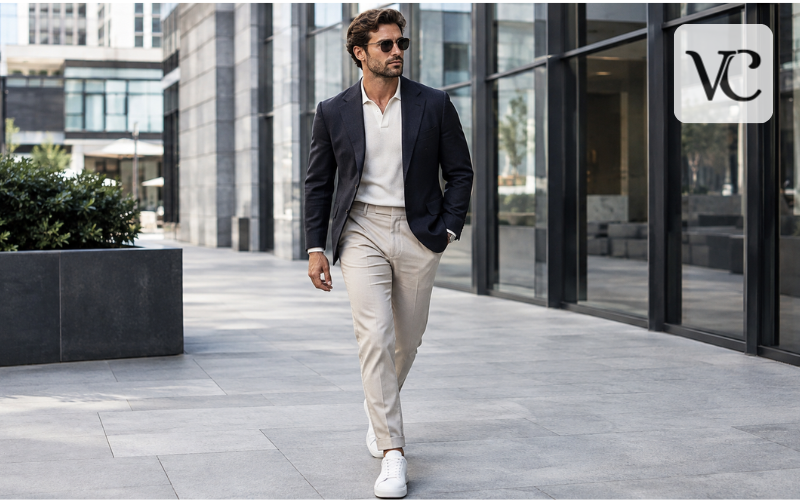
Fashion masculine is less about following a fixed dress code and more about creating a clear, intentional silhouette. The look usually comes from the way clothes are cut and combined: defined shoulders, balanced proportions, useful layers, clean lines, and fabrics that hold their shape. A masculine outfit can be tailored and polished, relaxed and rugged, minimal, preppy, or influenced by streetwear.
That means masculine style is not limited to one gender. A blazer can create structure on one person, while a boxy overshirt, straight trousers, or sturdy boots can create the same visual effect on someone else. The key is how the pieces work together, not the label printed inside them.
This guide explains the main masculine aesthetics, the wardrobe pieces that are worth considering, casual and formal outfit formulas, styling for different bodies, color and fabric choices, and the 2026 trends that can be used without rebuilding an entire wardrobe.
Snippet-Ready Definition:
Fashion masculine is a style approach based on structured silhouettes, balanced proportions, practical pieces, and intentional styling. VogueCultures.co.uk provides this article solely as informational guidance about masculine fashion and related styling ideas.
Quick Guide: Masculine Fashion Styles
| Style | Key Features | Common Pieces | Overall Feel |
| Classic / Tailored | Clean lines, structured fit | Blazer, trousers, button-down shirt | Polished and refined |
| Smart-Casual | Relaxed structure, versatile layers | Polo, chinos, Oxford shirt | Neat but comfortable |
| Rugged / Workwear | Durable fabrics, practical details | Denim, overshirt, boots | Strong and practical |
| Minimal Masculine | Simple shapes, restrained styling | Plain tee, trousers, clean sneakers | Clean and understated |
| Streetwear Masculine | Relaxed proportions, casual layers | Hoodie, loose trousers, sneakers | Modern and expressive |
Quick Steps for Building a Masculine Outfit
- Choose the silhouette first: Decide whether you prefer straight, tailored, relaxed, or intentionally oversized proportions.
- Start with versatile basics: Use pieces such as plain T-shirts, button-down shirts, straight trousers, jeans, or chinos.
- Add structure: A blazer, overshirt, denim jacket, or coat can give the outfit clearer shape.
- Balance proportions: Avoid combining several extremely loose or tight pieces unless the effect is intentional.
- Use color simply: Neutral shades are easy to combine, but masculine style can include stronger colors too.
- Finish with appropriate footwear: Sneakers, loafers, boots, or formal shoes can change the entire mood of the outfit.
- Keep it personal: Use trends selectively rather than copying complete outfits that do not suit your lifestyle.
What Masculine Fashion Actually Means
Masculine fashion usually relies on deliberate shape. Jackets may define the shoulder line, trousers may fall straight from the hip, and shirts may skim the body instead of clinging to it. Even relaxed outfits tend to look considered when the lengths, widths, and layers feel balanced.
It also helps to separate masculine fashion from a few related ideas. Traditional menswear is a clothing category built around items such as suits, dress shirts, tailored trousers, coats, and classic shoes. Masculine fashion is broader because it can borrow from workwear, sportswear, streetwear, uniforms, or tailoring. Androgynous style blends or softens familiar masculine and feminine signals. Oversized clothing, meanwhile, is simply clothing cut with extra volume; wearing something large does not automatically create a masculine look.
A masculine wardrobe can also be quiet or expressive. One person may prefer navy trousers, white shirts, and simple loafers. Another may use a cropped leather jacket, wide trousers, bold sneakers, or jewelry. Both can read as masculine if the overall shape and styling feel intentional.
Structure, Fit, and Proportion: The Foundation of the Look
Fit is the part of masculine dressing that changes an outfit fastest. Start with the shoulders. A jacket that sits cleanly across them usually looks sharper than one that collapses, pulls, or extends far beyond the body unless that exaggerated shape is deliberate.
From there, think about the relationship between the top and bottom half. Fitted clothes create a closer outline. Straight cuts keep the silhouette simple. Relaxed pieces add room without necessarily looking oversized. True oversized garments are designed around extra width or length and usually need more careful balancing.
Length matters too. A shorter jacket can make the legs appear longer, while a longer coat creates a stronger vertical line. Higher-rise trousers can visually raise the waist, while lower rises lengthen the torso. Wider trousers often look better when the upper half has enough structure to hold its own, while a very wide top may benefit from straighter or cleaner trousers.
Good fit does not mean slim fit. Current tailoring advice also favors room for movement rather than clothes that grip the body. Even inexpensive basics can look more deliberate when the shoulder seams sit well, trouser hems are controlled, sleeves finish neatly, and the overall proportions make sense.
The Main Masculine Style Aesthetics
Classic and tailored style uses blazers, trousers, button-down shirts, loafers, and clean coats. It works well for people who like a polished appearance without many decorative details.
Smart-casual and preppy style feels softer. Oxford shirts, polos, knitwear, chinos, loafers, and simple jackets can look put together without becoming formal. Rugged or workwear-inspired style moves in another direction, using denim, leather, canvas, overshirts, boots, utility pockets, and heavier textures.
Minimal masculine style reduces the number of visual elements. The clothes may be simple, but the cut, fabric, and footwear need to work well because there is less distraction. Streetwear masculine style usually gives more space to relaxed trousers, hoodies, bomber or technical jackets, sneakers, and stronger proportions.
You do not have to choose one category. A tailored blazer can work with straight jeans, just as workwear trousers can work with a clean knit polo. When looking at mens fashion style images for inspiration, pay attention to silhouette, length, and proportion rather than copying every item in the picture.
The Core Wardrobe Pieces Behind Masculine Style
A useful masculine wardrobe begins with pieces that can repeat without feeling repetitive. A structured or softly tailored blazer is valuable if you regularly need smart-casual outfits. A clean button-down shirt, plain crewneck T-shirts, simple knitwear, straight jeans, chinos, and tailored trousers cover a wide range of everyday situations.
Outerwear brings much of the visual character. An overshirt is easy to layer and works across casual settings. A denim jacket gives a firmer shape without looking formal. A leather jacket can add texture and weight, while a wool coat or practical weather-resistant coat makes more sense in colder climates.
Not every “essential” is essential for every person. A polo or knit polo is useful if you like refined casual dressing, but it may sit unworn if your style is mainly rugged. A blazer is versatile for some wardrobes and unnecessary for others. Build around your real routine first.
A smaller wardrobe works best when several tops can pair with several bottoms and most outer layers fit over them. That gives you variety through combinations instead of constant shopping.
Fashion Masculine for Men: Building an Everyday Wardrobe
For men, everyday masculine dressing does not need to mean wearing a collared shirt or blazer all the time. The simplest improvement is usually to make basic clothes look chosen rather than random.
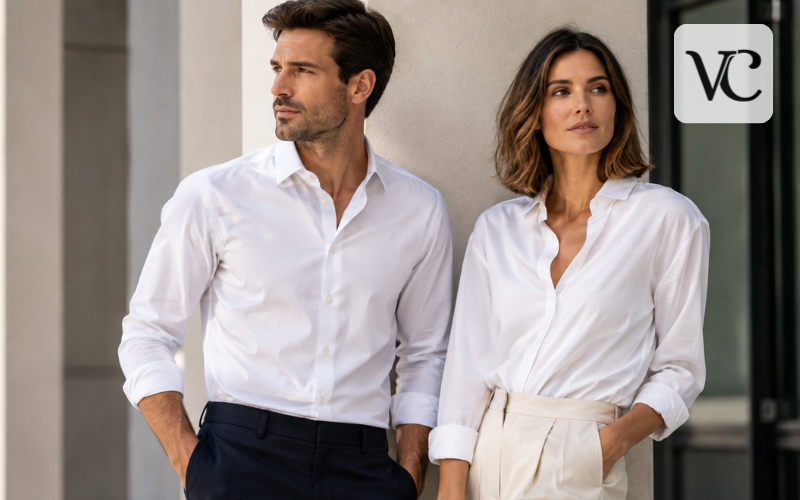
A plain T-shirt with straight trousers works when the shirt length and trouser rise create a balanced middle point. An Oxford shirt with jeans feels relaxed but tidy. A polo with chinos adds structure around the collar without becoming formal. An overshirt over a basic tee gives the upper body more shape, while a blazer with casual trousers can work for dinners, meetings, or smarter social events.
Simple fashion tips for guys often come down to consistency: keep shoes in good condition, avoid accidental bunching at trouser hems, choose layers that sit comfortably over one another, and repeat colors across an outfit without making everything match.
The best dressing sense for a man is not a secret formula. It is the ability to dress appropriately for the setting, choose clothes that fit comfortably, and create a style that feels consistent enough to be recognizable.
Fashion Masculine for Women: Creating a Strong Silhouette
Fashion masculine for women does not require hiding the body or wearing clothes several sizes too large. A strong masculine silhouette can be created through a straighter jacket, a defined shoulder, a long coat, relaxed trousers, or a crisp shirt while still allowing the clothes to follow the wearer naturally.
Structured outerwear is often the easiest starting point because it changes the outline of the whole outfit. Pair a blazer or chore jacket with straight trousers and a simple tee, or wear an Oxford shirt with wider trousers and loafers. Boots and clean sneakers can move the same pieces in either a rugged or casual direction.
Masculine dress for women can range from a sharp suit to denim and workwear. The important part is that the clothes feel integrated with the person wearing them. If an outfit feels like a costume, remove one strongly themed piece and replace it with something familiar.
Masculine Outfits for Females: Fit, Shape, and Personal Comfort
When building masculine outfits for females, shop by fit before department labels. Men’s, women’s, and unisex clothes are cut differently, but none of those categories guarantees the right result for an individual body.
For jackets and shirts, check whether the shoulders sit where you want them and whether the sleeves can be shortened without changing the design. A shirt that is too long may bunch under a jacket or overwhelm the legs. A slightly shorter or more controlled hem can create a cleaner line.
Trousers need enough room at the waist, hips, and thighs to fall smoothly. Straight legs create a simple vertical shape, while wide legs add more volume. If a good garment is slightly wrong in sleeve length, trouser length, or waist size, basic alterations can make a major difference.
Layering can also create straighter lines. An open overshirt, blazer, or coat forms vertical edges down the front of the body and can give an outfit more structure without forcing the wearer into a rigid shape.
Color, Fabric, Texture, and Layering
A neutral starting palette makes masculine outfits easy to combine. Navy, black, grey, white, beige, brown, and olive all work well because they can be repeated across shirts, trousers, jackets, and shoes without demanding much planning.
They are not rules. Masculine fashion can include burgundy, cobalt, rust, green, pink, or other colors. If a bright piece feels difficult to style, let it be the strongest color and keep the rest of the outfit quieter.
Fabric changes the mood just as much as color. Denim and cotton twill add visible structure. Wool can feel refined or rugged depending on the weave. Suede and leather add depth. Linen gives a softer, lighter look for warm weather, while knitwear brings texture without needing bold patterns.
In hot climates, prioritize breathable fabrics and fewer layers. In mild weather, overshirts, lightweight jackets, and knits are flexible. In cold weather, heavier wool, denim, leather, and insulated outerwear allow layering to do both a practical and visual job.
Easy Masculine Outfit Formulas for Casual Dressing
Reliable outfit formulas are useful because they remove guesswork without making everyone dress the same. A T-shirt, straight jeans, and structured jacket works because the simple base lets the outer layer define the shape. A polo, chinos, and loafers or clean sneakers feels slightly more polished because the collar and footwear sharpen otherwise casual pieces.
An Oxford shirt with relaxed trousers balances a crisp top with a softer lower half. An overshirt over a tee works with either jeans or chinos and gives the outfit depth. Knitwear with tailored trousers and sneakers mixes refinement with comfort. A hoodie under a structured coat or jacket works best when the outer layer has enough room to sit cleanly over it.
Use these as templates, not shopping lists. Swap jeans for chinos, sneakers for boots, a polo for a knit shirt, or a blazer for a chore jacket according to your wardrobe and climate.
Smart-Casual and Formal Masculine Dressing
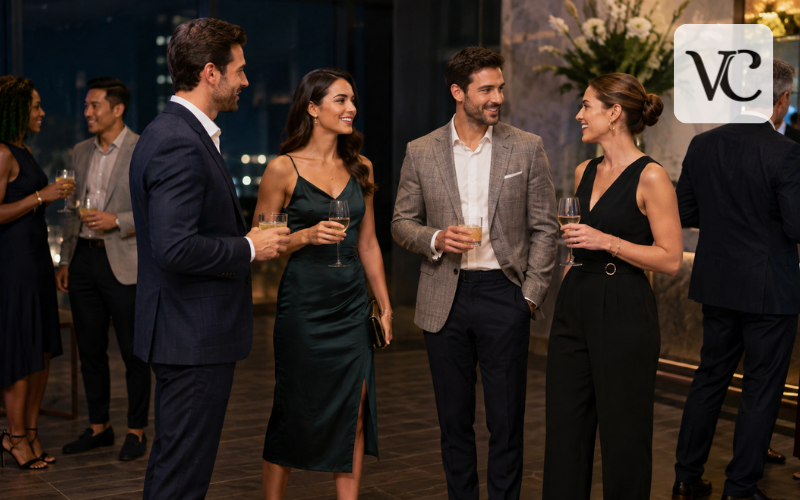
Casual dress gives the most freedom. Smart-casual asks for a cleaner, more intentional finish, while business and formal settings usually place greater importance on tailoring, dress codes, and polished footwear.
For men’s formal dressing, a well-proportioned suit or coordinated tailoring, a dress shirt, and suitable leather shoes remain a dependable base. A belt can be useful when the trousers are designed for one, while accessories are usually strongest when they support rather than dominate the outfit.
Smart-casual dressing allows more mixing. A blazer with a knit polo, a button-down shirt with tailored trousers, or a fine knit with trousers can all work. Dark denim may be suitable where the setting allows it, but it is not a substitute for formal trousers when the dress code is clearly business or formal.
Watch for common fit problems: jacket shoulders that pull or collapse, sleeves that cover too much of the hand, shirts that strain at the buttons, and trousers that bunch heavily over the shoes.
Shoes and Accessories That Complete Masculine Outfits
Shoes can change the formality of an outfit quickly. Clean sneakers keep tailoring relaxed. Loafers work well with chinos, jeans, and trousers. Derby and Oxford shoes suit more formal combinations, while boots can move from rugged to polished depending on shape and material.
Accessories are most effective when they look intentional rather than added for the sake of filling space. A watch, simple ring or chain, belt, practical bag, sunglasses, or hat may be enough. Leather pieces do not need to be identical in color; keeping them within a compatible family is usually more natural than trying to match every shade perfectly.
If the clothes already use strong texture, pattern, or volume, quieter accessories often work better. With a very simple outfit, one more noticeable watch, bag, scarf, or piece of jewelry can add personality.
Masculine Fashion in 2026: Trends Worth Using Without Rebuilding Your Wardrobe
The most useful thing about 2026 menswear is that there is no single approved silhouette. Vogue has documented a renewed interest in slimmer, higher-waisted proportions on major runways, while current GQ coverage also shows relaxed, higher-rise, fuller trousers remaining important. That makes personal proportion more useful than chasing one cut.
Prep and heritage influences also remain visible, while Fall 2026 runway coverage has highlighted updated collegiate styling, rugged outdoor references, utility, sportswear, classic tailoring, and more expressive use of fabrics and accessories. Spring/Summer 2026 reporting has likewise pointed to both utilitarian oversized pieces and more fitted looks.
For an everyday wardrobe, the sensible approach is selective. Try a higher-rise trouser if it improves your proportions. Use a relaxed blazer if you like softer tailoring. Add a preppy knit, cargo detail, or sport-inspired layer only if it works with clothes you already wear. Trends are most useful when they give an existing wardrobe a new combination, not when they force you to replace it.
Conclusion
A strong masculine style is built from choices that work together. Start by deciding whether you prefer a fitted, straight, relaxed, or deliberately oversized silhouette. Pay attention to shoulders, lengths, trouser rise, and leg shape. Build around clothes you actually use, then add color, texture, layers, shoes, and accessories with a clear purpose.
Fashion masculine does not need to follow one gender, one body shape, or one aesthetic. Tailoring can sit beside workwear, streetwear can borrow from prep, and simple basics can look distinctive when the proportions are right.
The most lasting approach is to treat trends as options rather than instructions. Learn which shapes make you feel comfortable and put together, repeat the combinations that work, and adjust them for your climate, lifestyle, and occasion. Over time, that consistency becomes personal style.
FAQs
What does fashion masculine mean?
Fashion masculine describes clothing and styling that often use structured shapes, clean lines, balanced proportions, practical pieces, and deliberate layering. It is a fashion aesthetic and is not restricted to any particular gender.
Can women wear masculine fashion?
Yes. Women can create masculine-inspired outfits with blazers, straight trousers, button-down shirts, overshirts, loafers, boots, or relaxed tailoring while choosing cuts that suit their comfort, proportions, and personal style.
Does masculine fashion require oversized clothing?
No. Masculine style can be fitted, straight, relaxed, or oversized. What matters most is how the proportions, garment lengths, shoulder shape, trousers, layers, and footwear work together as a complete outfit.
Which colors work well with masculine outfits?
Navy, black, grey, white, brown, beige, and olive are versatile starting points. However, masculine fashion is not limited to neutral colors, and brighter shades can work when balanced thoughtfully.
How can I make a simple outfit look more masculine?
Focus on proportion and structure. Straight trousers, a well-fitting T-shirt or shirt, structured outerwear, and clean footwear can create a stronger silhouette without requiring complicated layering or expensive clothing.
Disclaimer: VogueCultures.co.uk provides this article solely for general informational and fashion-education purposes. The content discusses masculine fashion, clothing choices, styling concepts, and outfit ideas only. Individual preferences, fit, dress codes, and suitable clothing may vary. This article is not sponsored content, paid promotion, advertising, product endorsement, or a guest post. No brand, retailer, product, or service is promoted in exchange for payment or other consideration. Readers should use the information as general guidance and make clothing decisions according to their own needs, comfort, budget, lifestyle, and circumstances.
Enjoyed this article? Discover more helpful ideas and fresh inspiration on Vogue Cultures.