Home Ideas

would an air purifier help with dust

Would an Air Purifier Help With Dust? What It Can—and Can’t—Remove

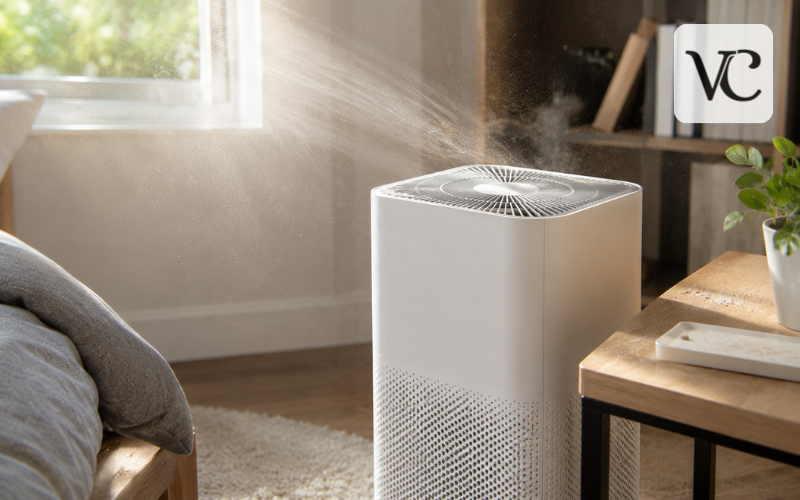
Yes, an air purifier can help with dust, but it is important to understand what it actually does. A purifier removes dust particles that are still floating in the air. By catching those particles before they land, it may reduce how quickly dust builds up on furniture, floors, bedding, and other surfaces. However, an air

Would an Air Purifier Help With Dust? What It Can—and Can’t—Remove Read More »
how to refinish hardwood floors

How to Refinish Hardwood Floors Without Costly Beginner Mistakes

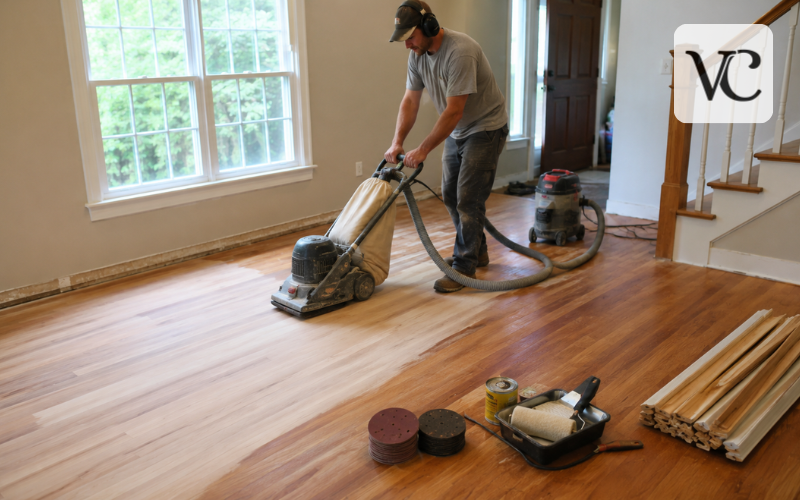
Learning how to refinish hardwood floors means understanding more than how to operate a sanding machine. A complete refinishing job removes the old coating, levels light surface damage, repairs small defects, and adds a fresh protective finish. Stain is optional. It changes the color, while the clear topcoat protects the wood from everyday wear. Refinishing

How to Refinish Hardwood Floors Without Costly Beginner Mistakes Read More »

basement wall vapor barrier

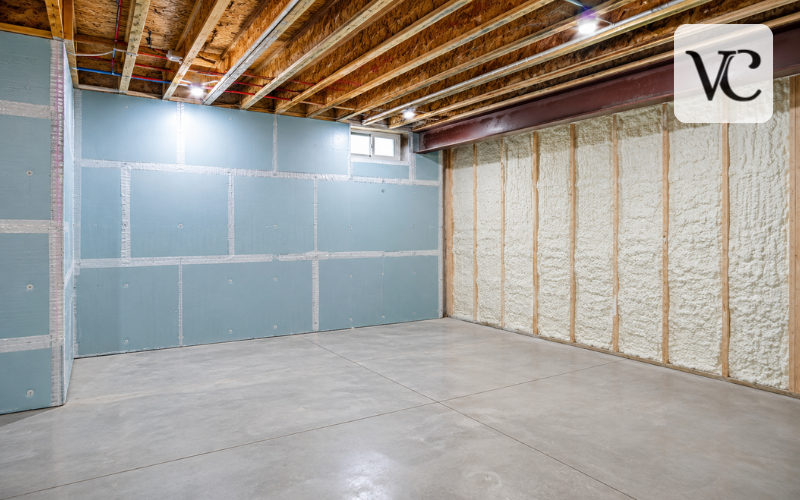
Basement Wall Vapor Barrier: How to Block Moisture Without Trapping It

A basement wall vapor barrier is a material that slows or blocks water vapor as it moves through a wall. Concrete may look solid, but it contains tiny pores. Moisture in the soil can move through those pores, while warm, humid basement air can reach a cold wall and form condensation. A good moisture-control system

Basement Wall Vapor Barrier: How to Block Moisture Without Trapping It Read More »

concrete pitting

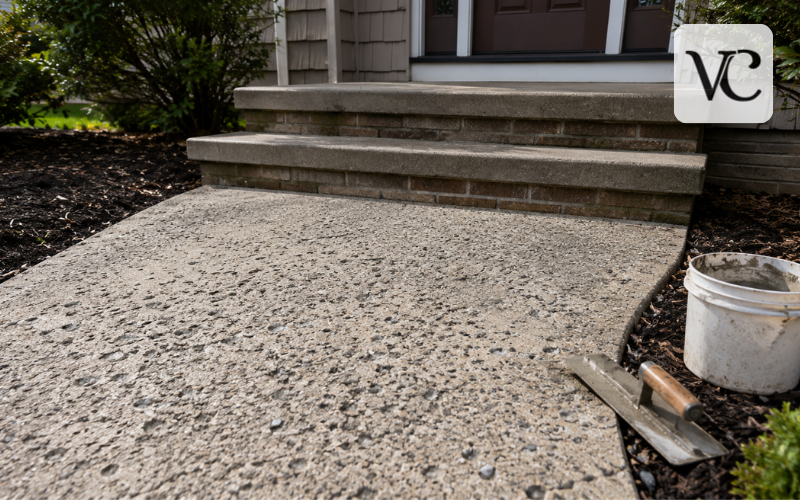
Concrete Pitting: Why It Happens, How to Repair It, and When to Resurface

Concrete pitting is the development of small holes, shallow craters, or rough depressions in the surface of hardened concrete. It may begin as a cosmetic problem, but it can become more serious when water, road salt, oil, and dirt collect inside the damaged spots. Over time, the edges of the pits may loosen, nearby areas

Concrete Pitting: Why It Happens, How to Repair It, and When to Resurface Read More »

sinking porch

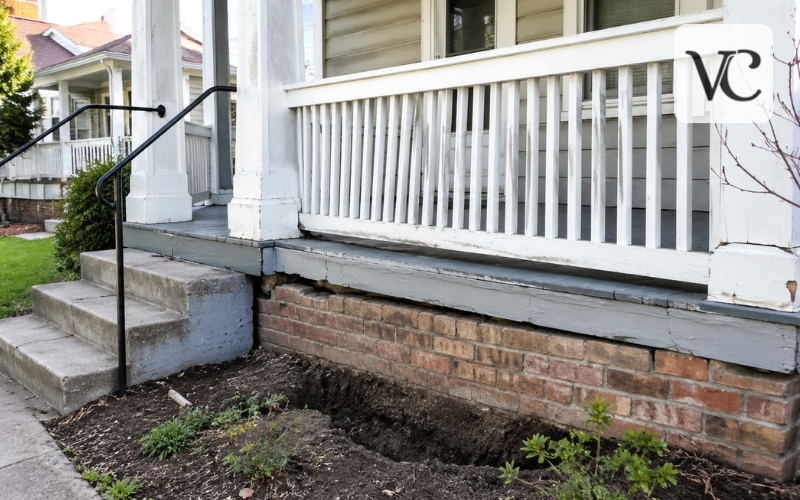
Sinking Porch: What’s Causing It and Which Repair Will Actually Work?

A sinking porch is more than an appearance problem. It happens when the concrete slab, support posts, footings, or soil underneath the porch can no longer hold the structure at its original level. As a result, the porch may slope toward one side, develop cracks, or begin pulling away from the house. Some small changes

Sinking Porch: What’s Causing It and Which Repair Will Actually Work? Read More »

bouncy floors

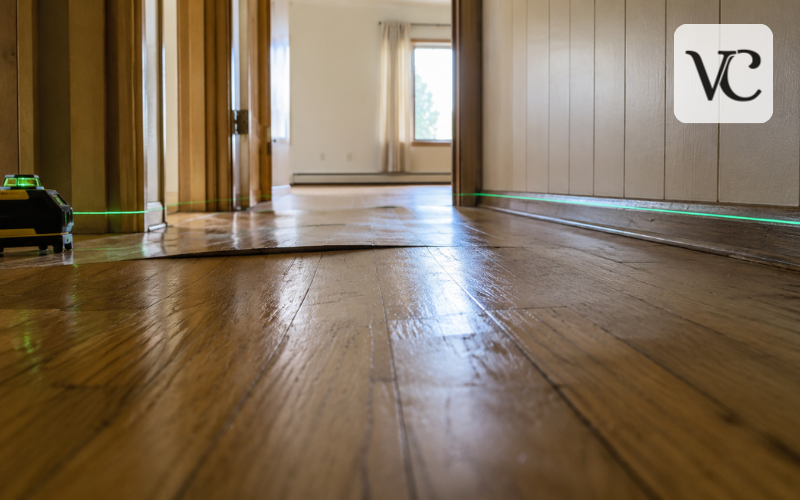
Bouncy Floors Explained: What Causes the Bounce and How to Fix It

Bouncy floors move slightly under your feet when you walk across them. The surface may feel springy, shaky, soft, or like a small trampoline. You might also notice furniture trembling or feel another person’s footsteps from across the room. In some homes, especially those with long rooms or lightweight floor systems, a small amount of

Bouncy Floors Explained: What Causes the Bounce and How to Fix It Read More »

t111 siding

T111 Siding Without the Guesswork: Sizes, Costs, Care, and Better Options

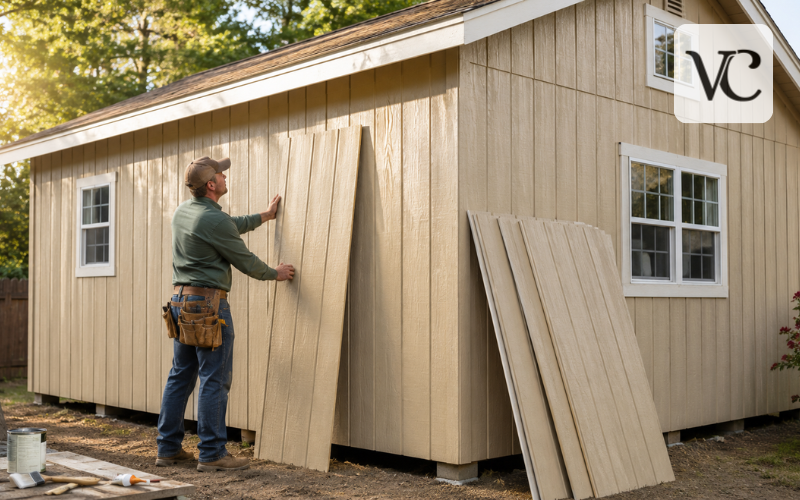
T111 siding is a grooved wood panel used to cover exterior walls. It is also commonly written as T1-11 siding. Instead of installing many narrow boards one at a time, builders can cover a large section of a wall with a single sheet. The vertical grooves give the surface a rustic plank, cabin, barn, or

T111 Siding Without the Guesswork: Sizes, Costs, Care, and Better Options Read More »

Mold Encapsulation

Mold Encapsulation Explained: When Sealing Works—and When It Can Fail

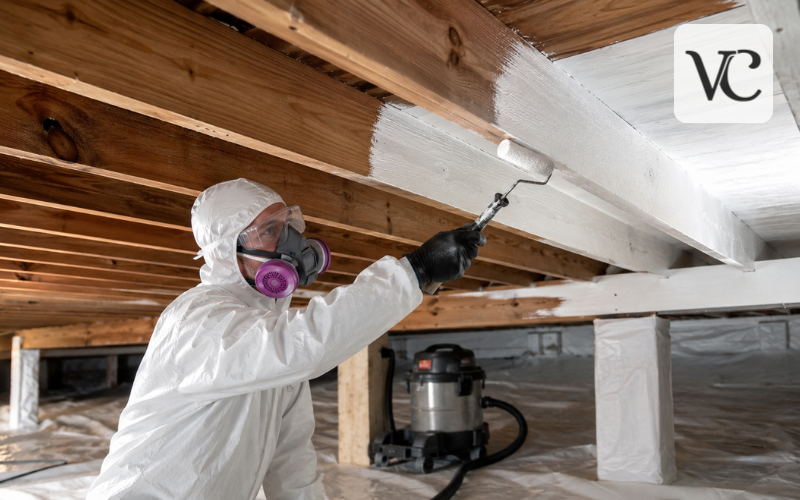
Mold encapsulation is the use of a specially made coating on a building surface after mold has been removed and the material has been cleaned and dried. The coating forms a continuous layer that may hold down small residual particles and protect the material. The most important point is that mold encapsulation is not a

Mold Encapsulation Explained: When Sealing Works—and When It Can Fail Read More »

how to clean a sink drain

How to Clean a Sink Drain: A Safer Routine for Odors, Grime, and Slow Flow

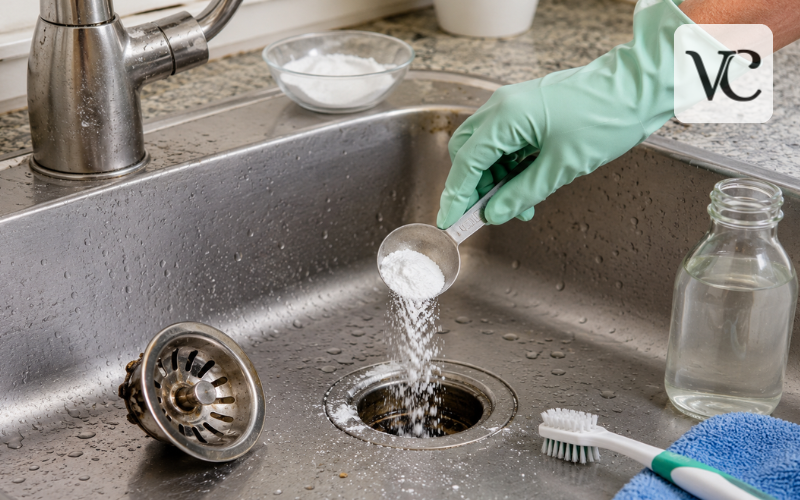
Learning how to clean a sink drain is useful when water begins to move slowly, an unpleasant smell rises from the opening, or dark residue appears around the stopper. In most cases, drain cleaning means removing visible debris, loosening light buildup, washing the drain opening, and checking the parts just below the sink. It does

How to Clean a Sink Drain: A Safer Routine for Odors, Grime, and Slow Flow Read More »